Midnight Diplomacy: How Pakistan’s Persistent Outreach Secured a US‑Iran Pause
A marathon of late‑hour calls by Pakistan’s top officials, backed by a Chinese push, turned a proposed two‑week cease‑fire into a reality accepted by Washington and Tehran.
Background of the Conflict
The strategic rivalry between the United States and Iran had escalated into a series of kinetic exchanges that threatened to widen into a broader regional confrontation. Both capitals had signaled a willingness to consider a temporary de‑escalation, yet each side remained wary of conceding any advantage that might shift the balance of power. Within this high‑stakes environment, a third nation stepped forward with a concrete proposal that promised to halt hostilities for a limited period.
Pakistan, positioned at the crossroads of South‑Asian geopolitics, possessed both the diplomatic channels and the regional credibility to act as an intermediary. The country’s leadership recognized that a pause in fighting could create a window for direct talks, thereby reducing the risk of an uncontrolled expansion of violence. This realization set in motion a carefully coordinated diplomatic offensive that would soon dominate the night‑time airwaves of several world capitals.
The Call Blitz That Reshaped the Narrative
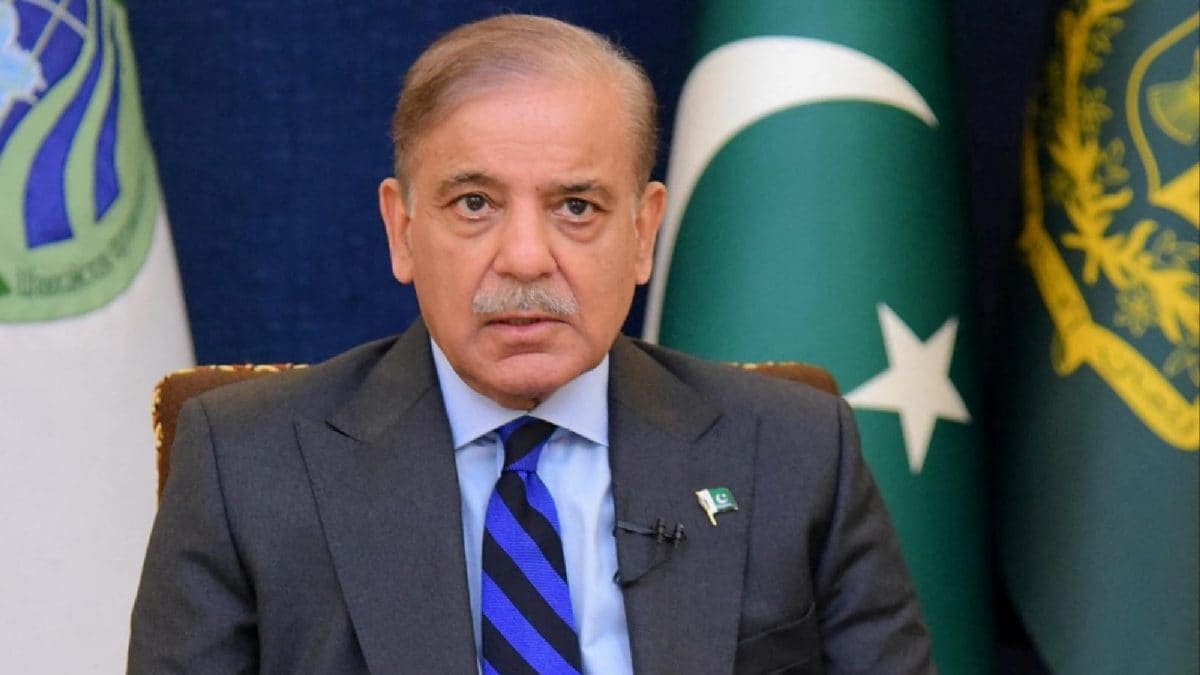
What unfolded in the hours leading up to the cease‑fire announcement can best be described as a “call blitz” of unprecedented intensity. Pakistan’s Prime Minister Shehbaz Sharif, army chief Field Marshal Asim Munir, and Foreign Minister Ishaq Dar embarked on a relentless schedule of telephone conversations, each aimed at coaxing a reluctant counterpart toward a common ground.
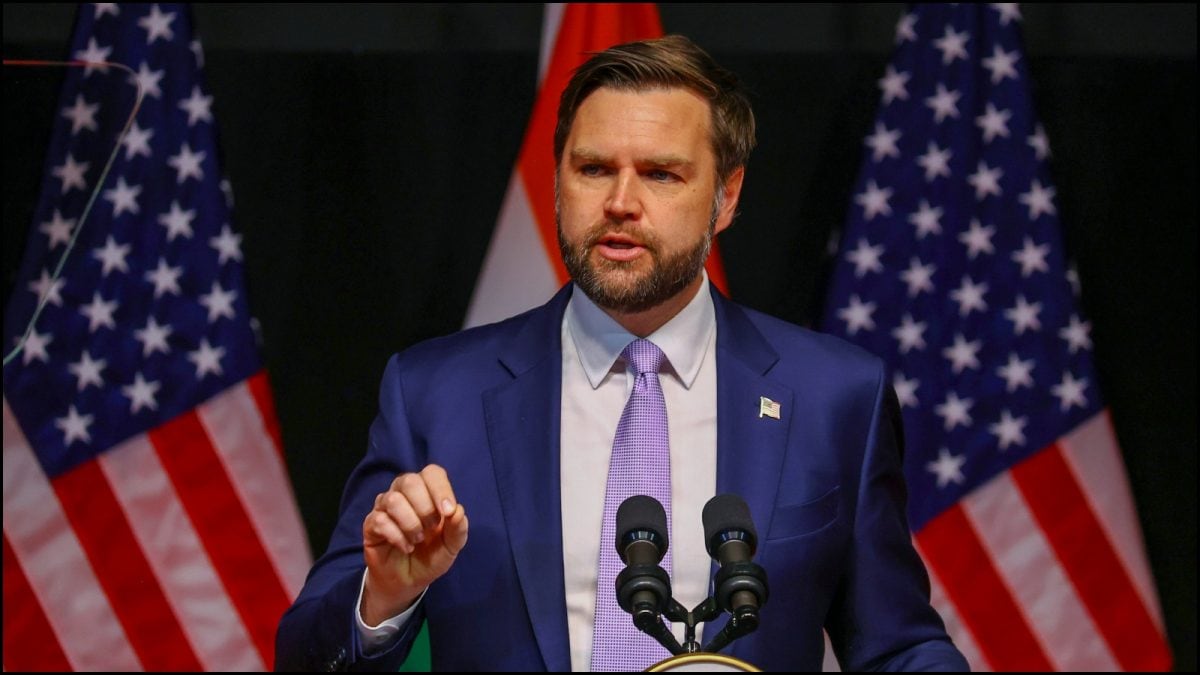
Prime Minister Shehbaz Sharif placed a series of calls to United States President Donald Trump, followed by direct dialogues with senior American officials and United States Vice‑President JD Vance. In parallel, Prime Minister Shehbaz Sharif reached out to Iran’s President Masoud Pezeshkian and Iran’s Foreign Minister Abbas Araghchi, seeking to convey the Pakistani offer and gauge Tehran’s appetite for a pause.
Beyond the two principal actors, the Pakistani outreach extended to regional influencers. Conversations were held with representatives from Saudi Arabia, Turkey, and Egypt, each call designed to secure a supportive chorus that could lend weight to the proposed cease‑fire. The timing of these conversations—often spilling into the early hours of the morning—ensured that the dialogue remained active while official daytime channels were largely dormant.
The Core of Pakistan’s Proposal
The centerpiece of the Pakistani initiative was a concrete plan for a two‑week suspension of hostilities. The proposal delineated three essential components:
- A fifteen‑day halt in all offensive operations, providing both sides a breathing space.
- A commitment to hold direct negotiations in Islamabad, allowing for face‑to‑face dialogue under Pakistani auspices.
- An aGreement from Iran to guarantee safe passage for commercial vessels through the Strait of Hormuz throughout the pause, thereby protecting a critical artery of global trade.
In addition to the temporal pause, Iran supplied a ten‑point framework that outlined the parameters for future negotiations with the United States. This framework, transmitted through Pakistan’s diplomatic channels, addressed issues ranging from nuclear safeguards to regional security arrangements, reflecting Tehran’s willingness to engage constructively.
China’s Strategic Back‑stop
As the midnight marathon progressed, a senior Chinese official entered the fray. The Chinese diplomat reached out directly to United States Vice‑President JD Vance, unequivocally endorsing Pakistan’s cease‑fire plan and urging swift acceptance. This diplomatic nudge added a layer of pressure that proved decisive in narrowing the remaining gaps between Washington and Tehran.
The Chinese involvement did not alter the substance of the Pakistani proposal; instead, it supplied a persuasive reminder that a broader coalition of great powers favored a pause. By aligning with Pakistan’s initiative, China signaled its own interest in regional stability while reinforcing the legitimacy of the Pakistani mediation effort.
Official Announcements and Immediate Reactions
Following the intense exchange of late‑night calls, United States President Donald Trump publicly declared a two‑week suspension of military activity. The statement echoed the language of the Pakistani proposal and underscored the role of Islamabad as the hub for forthcoming negotiations.
On the Iranian side, Foreign Minister Abbas Araghchi confirmed Tehran’s readiness to adhere to the aGreed pause. The affirmation came after Iran reviewed the ten‑point framework and found it compatible with its strategic objectives, particularly the guarantee of unhindered maritime traffic through the Strait of Hormuz.
Prime Minister Shehbaz Sharif welcomed the development, describing the outcome as a “sagacious gesture” that reflected Pakistan’s commitment to fostering peace. The Pakistani prime minister formally extended an invitation to both Washington and Tehran, urging the two capitals to convene in Islamabad for the next round of talks.
Preparing for the Islamabad Negotiations
The focus of the international community swiftly shifted to the upcoming diplomatic gathering slated to take place in Islamabad. Senior delegations from the United States, represented by Vice‑President JD Vance, and from Iran, led by President Masoud Pezeshkian and Foreign Minister Abbas Araghchi, are expected to travel to the Pakistani capital.
In addition to the primary parties, representatives from Saudi Arabia, Turkey, Qatar, China, and Russia have signaled their intention to attend. The presence of these regional actors underscores the broader implications of the cease‑fire, which extends beyond the immediate US‑Iran confrontation to encompass wider security concerns across the Middle East.
Pakistan’s foreign office has already begun logistical preparations. Invitations have been dispatched, security protocols finalized, and venue arrangements made to accommodate the high‑level delegations. The Pakistani government has emphasized its role as a neutral facilitator, pledging to provide a secure environment conducive to candid dialogue.
Analysis of the Diplomatic Mechanics
The rapid conversion of a proposal into a concrete cease‑fire illustrates the potency of real‑time diplomatic engagement. By maintaining an open line of communication throughout the night, Pakistan’s leadership was able to respond instantly to concerns, adjust language where needed, and keep both Washington and Tehran informed of each other’s positions.
The involvement of a major power—China—served as a critical catalyst. While Pakistan supplied the framework, China’s endorsement amplified the pressure on United States President Donald Trump to act promptly. This dual‑track approach, combining regional initiative with great‑power backing, created a diplomatic environment in which compromise became the most viable path forward.
Moreover, the decision to host talks in Islamabad added a layer of strategic neutrality. Neither the United States nor Iran could claim an inherent home‑court advantage, enabling discussions to proceed on a more balanced footing. The Pakistani proposal’s emphasis on maritime safety in the Strait of Hormuz also addressed a tangible economic concern for global stakeholders, reinforcing the practicality of the cease‑fire.
Potential Outcomes and Future Scenarios
If the negotiations in Islamabad succeed, the immediate benefit will be the avoidance of further military escalation. A sustained pause could also create momentum for addressing longer‑term issues such as nuclear aGreements, regional proxy conflicts, and economic sanctions.
Conversely, any breakdown in the talks could reignite hostilities, eroding the credibility of Pakistan’s diplomatic endeavor and potentially prompting other regional powers to reassess their engagement strategies. The presence of China, Russia, and the Arab states at the negotiating table adds both support and complexity, as each participant will likely seek to shape the final outcome in line with its own strategic interests.
Regardless of the final result, the episode demonstrates the capacity of mid‑size powers to exert influence in high‑stakes international disputes when they combine persistent outreach, clear proposals, and backing from larger allies.
Conclusion
The midnight cascade of calls orchestrated by Prime Minister Shehbaz Sharif, Field Marshal Asim Munir, and Foreign Minister Ishaq Dar transformed a tentative proposal into an operational cease‑fire that received the assent of United States President Donald Trump and Iran’s leadership. The decisive push from a senior Chinese official added the final piece needed to secure aGreement.
As the world watches the diplomatic process unfold in Islamabad, the episode stands as a testament to the power of relentless, coordinated diplomacy. It also underscores the importance of regional actors stepping into mediation roles, especially when global powers are locked in a strategic impasse. The success of this effort could set a precedent for future conflict resolution initiatives, highlighting how sustained engagement and strategic partnership can defuse even the most volatile confrontations.