Why Kerala’s UV Index Became a Hot Topic
When I was packing for a short weekend trip to Munnar, I saw a notification on my phone saying there was an orange alert in Konni (Pathanamthitta) and Munnar (Idukki). It was one of those moments where the breaking news about the environment actually felt personal. The ultraviolet index (UVI) had hit 9 in those places a level that many of us only read about in science magazines. At the same time, the Kerala State Disaster Management Authority (KSDMA) also issued yellow alerts for a handful of other districts where the UVI was between 6 and 7. In most cases, people tend to ignore such alerts, but this time I decided to take it seriously because the sun was literally scorching the hills I loved to trek.
According to the official statements, the orange alert covered Konni (Pathanamthitta) and Munnar (Idukki) with a UVI of 9, while Changanassery (Kottayam) and Chengannur (Alappuzha) saw a reading of 8. The yellow alert zones, where the UVI was 7, included Kottarakkara (Kollam), Thrithala (Palakkad), Ollur (Thrissur), Ponnani (Malappuram) and Kalamassery (Ernakulam). Beypore (Kozhikode) and Mananthavady (Wayanad) recorded a UVI of 6. This spread of alerts across the state quickly became trending news India, especially on social media, where many users started sharing selfies with the warning stickers.
Understanding UV Radiation Good and Bad
Let me tell you a bit about UV radiation. Basically, ultraviolet light is a part of the sun’s spectrum that we can’t see, but it plays a big role in our health. A small dose helps our skin produce vitamin D, which is essential for strong bones, a healthy immune system, and even good blood cell function. This is why doctors sometimes advise a short walk in the sun during the early morning hours.
However, in most cases, especially when the UVI climbs above 6, the story flips. Excessive exposure can damage the DNA in our skin cells, increasing the risk of melanoma the most dangerous form of skin cancer. It can also accelerate skin ageing, leading to wrinkles, brown spots, and a loss of elasticity that many of us notice on our hands and face after a few summers of unprotected sunbathing. Moreover, UV rays don’t just affect skin; they also impact our eyes. Prolonged exposure has been linked to cataract formation, which is a leading cause of vision loss in India.
What happened next was interesting: after reading about these risks, I remembered an old incident when my brother got a painful sunburn after a cricket match in Thrithala (Palakkad). He didn’t use any sunscreen and ended up with blisters that took a week to heal. That memory made the threat feel real, not just a statistic in a news article.
My Personal Journey Through the UV Alerts
So, how did I prepare? First, I checked the latest updates on a popular Indian news portal the information was clearly labeled as the latest news India on health alerts. I noted down the exact places under each alert level. Then, I headed to the nearest market in Kottarakkara (Kollam) to buy some UPF‑rated clothing. The shopkeeper told me that a UPF 50+ shirt can block up to 98% of the harmful rays, which is far better than a regular cotton tee.
Next, I bought a wide‑brimmed hat and a pair of UV‑blocking sunglasses. I also grabbed a bottle of broad‑spectrum sunscreen with SPF 30, though the guidelines suggest SPF 30 or higher for UVI above 6. I made a mental note to reapply every two hours, especially after sweating while climbing the tea gardens of Munnar (Idukki).
During my trek, I decided to test one tip that many health blogs say works staying out of the sun between 10 am and 3 pm. I started early at 7 am, reached the viewpoint by 9 am, and took a short break for coffee. By the time the sun was at its peak, I was already back at the base. This simple adjustment made the whole experience much more comfortable, and I didn’t feel the usual heat fatigue that I usually get during summer holidays.
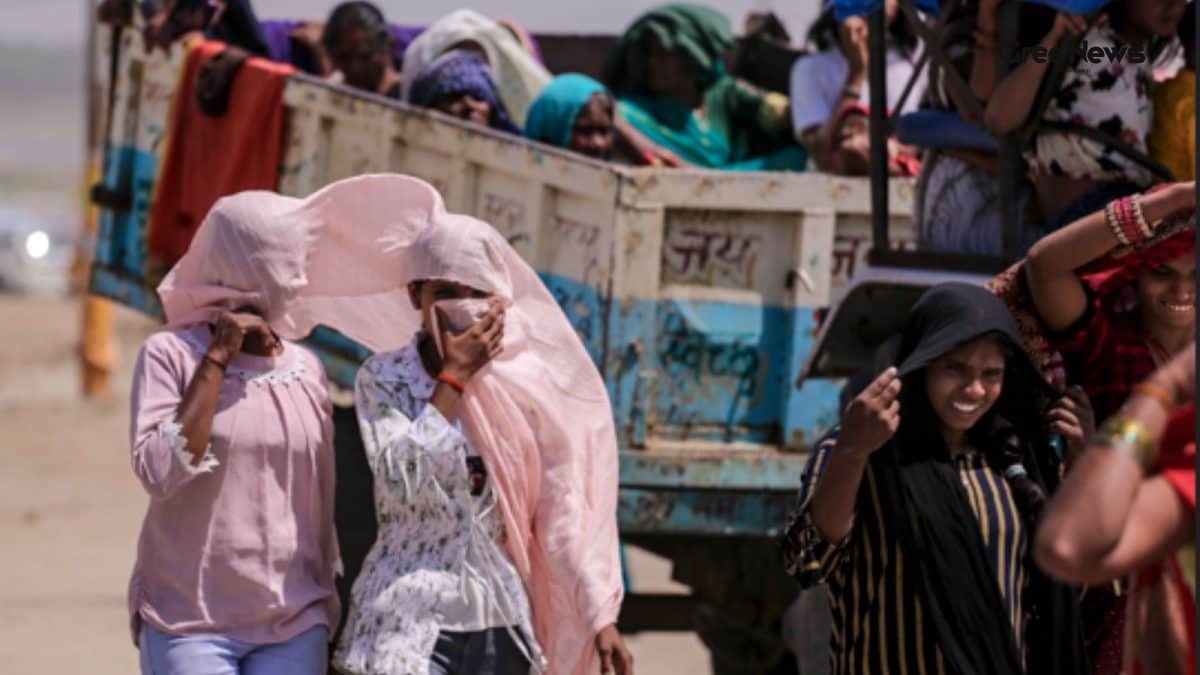
What surprised me most was the reaction of fellow tourists in Chengannur (Alappuzha). Many of them were unaware of the yellow alert and were still walking in the midday sun without any protection. A quick conversation turned into a mini‑workshop where I shared the tips I’d learned from wearing a scarf to using sunscreen on the ears, which many people forget.
Practical Ways to Shield Yourself Step by Step
Below are the actionable steps I followed, and they’re the same ones recommended by health experts and the KSDMA:
- Wear UPF‑Rated Clothing: Look for jackets, shirts and leggings labeled UPF 50+ or higher. The fabric is specially woven to block out harmful UV rays while keeping you cool.
- Use UV Accessories: Wide‑brimmed hats, scarves, and face shields protect the parts of your body that most often get exposed, like the neck and ears.
- Apply Broad‑Spectrum Sunscreen: Choose a sunscreen that offers protection against both UVA and UVB rays. Apply a generous amount 15‑20 minutes before stepping out, and reapply after swimming, sweating or every two hours.
- Protect Your Eyes: Sunglasses with 100% UV protection safeguard not just your eyes but also the skin around them, which is prone to wrinkles.
- Avoid Peak UV Hours: If possible, schedule outdoor activities before 10 am or after 3 pm when the sun’s intensity is lower.
- Seek Shade Whenever Available: Natural shade from trees or built‑in shelters can reduce UV exposure significantly.
- Stay Hydrated: Drinking plenty of water helps your skin stay moist and reduces the risk of sunburn.
Many people were surprised by how easy it was to adopt these habits. Even a simple change like wearing a light‑colored, loosely‑woven shirt made a noticeable difference in how cool I felt while walking through the tea estates of Munnar (Idukki).
Why These Tips Matter The Bigger Picture
Beyond personal safety, protecting ourselves from high UV levels contributes to a healthier community. When more people use sunscreen and wear appropriate gear, the overall incidence of skin-related ailments can drop, easing the burden on our healthcare system. In the context of India updates on public health, this is a small but significant step.
Moreover, the UV alerts have sparked a wave of viral news on social platforms, encouraging vendors in places like Kalamassery (Ernakulam) to start selling affordable sun-protective gear. Some local NGOs in Ponnani (Malappuram) have even begun free distribution of sunscreen in schools, which is a wonderful initiative that aligns with the government's push for better health awareness.
It also reminded me that climate patterns are shifting, and what used to be a rare high‑UVI day is becoming more common. This is part of the trending news India about climate change, and the UV alerts are a clear sign that we need to adapt our daily habits.
Quick Checklist Before You Step Out
Here’s a short reminder I keep on my phone, especially useful when traveling across the different alert zones:
- Check the current UV alert level for your destination (orange vs. yellow).
- Wear UPF‑rated clothing and a wide‑brimmed hat.
- Apply SPF 30+ sunscreen at least 15 minutes before heading out.
- Carry sunglasses with 100% UV protection.
- Avoid staying in direct sunlight between 10 am and 3 pm.
- Stay hydrated sip water regularly.
If you follow this short list, you’ll significantly cut down the risk of skin damage, eye problems, and even the dreaded sunburn that many of us in Kerala have endured for years.
Final Thoughts Stay Safe, Enjoy the Sun
All in all, the UV alerts issued across Kerala are a clear reminder that the sun can be both a friend and a foe. By taking simple, practical steps, you can enjoy the breathtaking landscapes of Konni (Pathanamthitta), Munnar (Idukki), Changanassery (Kottayam) and the rest of the state without worrying about long‑term health issues. So the next time you see a headline about the latest news India on UV warnings, remember the tips shared here they’ve worked for me and many of my friends.
Stay safe, keep those sunglasses on, and make the most of the beautiful Kerala mornings and evenings when the UV levels are kinder.