Why the whole nation is buzzing about delimitation
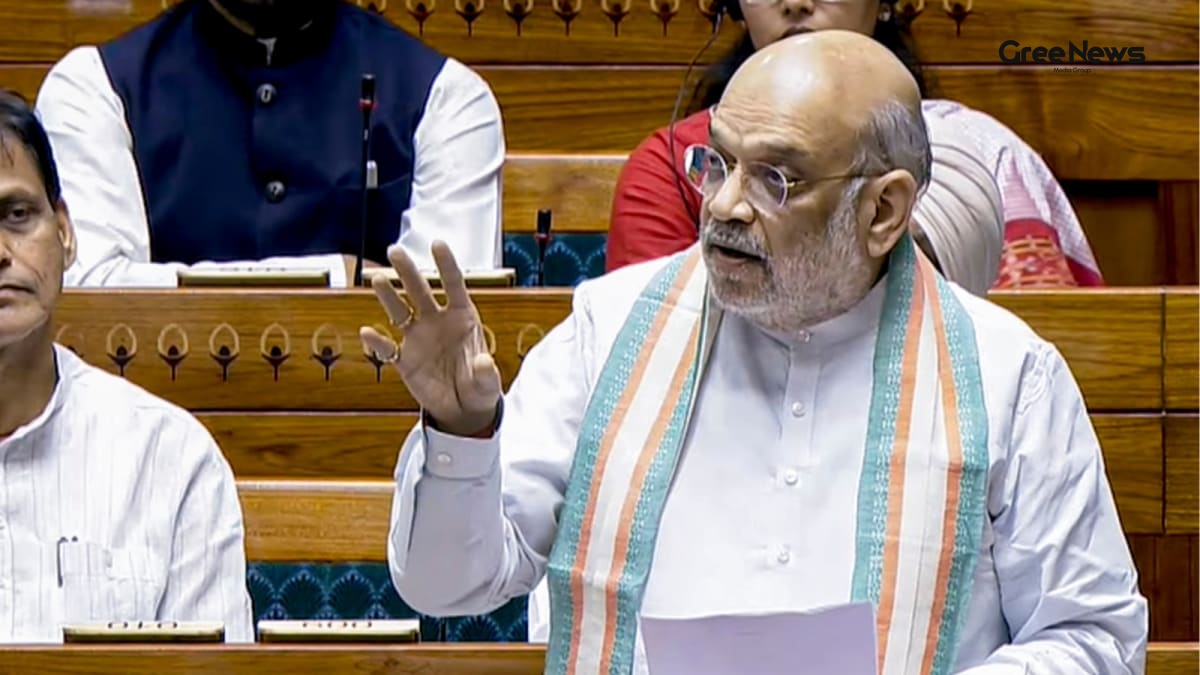
Honestly, when I first heard about the new delimitation plans, it felt like the kind of breaking news that suddenly pops up on every chat group and news portal. The talk was all over the place from my uncle’s tea stall in Chennai to the office corridors in Delhi. People were worried that the south might lose its voice in Parliament. That’s why Kiren Rijiju’s recent interview became a hot topic in the latest news India, because he tried to calm the nerves and set the record straight.
So, what’s the story? The government is pushing two big bills in a special three‑day parliamentary session: the Women’s Reservation Bill, which promises a 33% quota for women in Lok Sabha and state assemblies from 2029, and the Constitution (131st Amendment) Bill that will increase the total Lok Sabha seats from 543 to 850. Alongside these, there is the Delimitation Bill, which will let a commission redraw constituency boundaries based on the most recent Census figures.
Now, the fear among many in the south and even some in the north‑east is that because their populations grew slower, they could lose seats. If that happens, they argue, their ability to influence who becomes Prime Minister or shape national policies might shrink. This concern turned the whole thing into a trending news India story, with many people posting memes and videos that went viral across social media platforms.
What the Constitution (131st Amendment) Bill actually does
Before we get into Kiren Rijiju’s exact words, let’s clear up what the amendment means. Increasing Lok Sabha seats from 543 to 850 is a massive jump roughly a 50% rise. The idea is simple: every state’s strength should rise by the same percentage, keeping the existing ratio intact. In most cases, that means if a state had 10 seats before, it would get around 15 now. This is meant to balance the representation as India’s population expands.
For a regular voter like me, that sounds reasonable, but the political narrative can sometimes make it feel like a big mystery. Many people wondered whether this would create a “black spot” for the south, as some opposition leaders phrased it. That’s where Kiren Rijiju stepped in to explain the maths in plain Hindi‑English lingo.
Kiren Rijiju’s take on the proportional representation
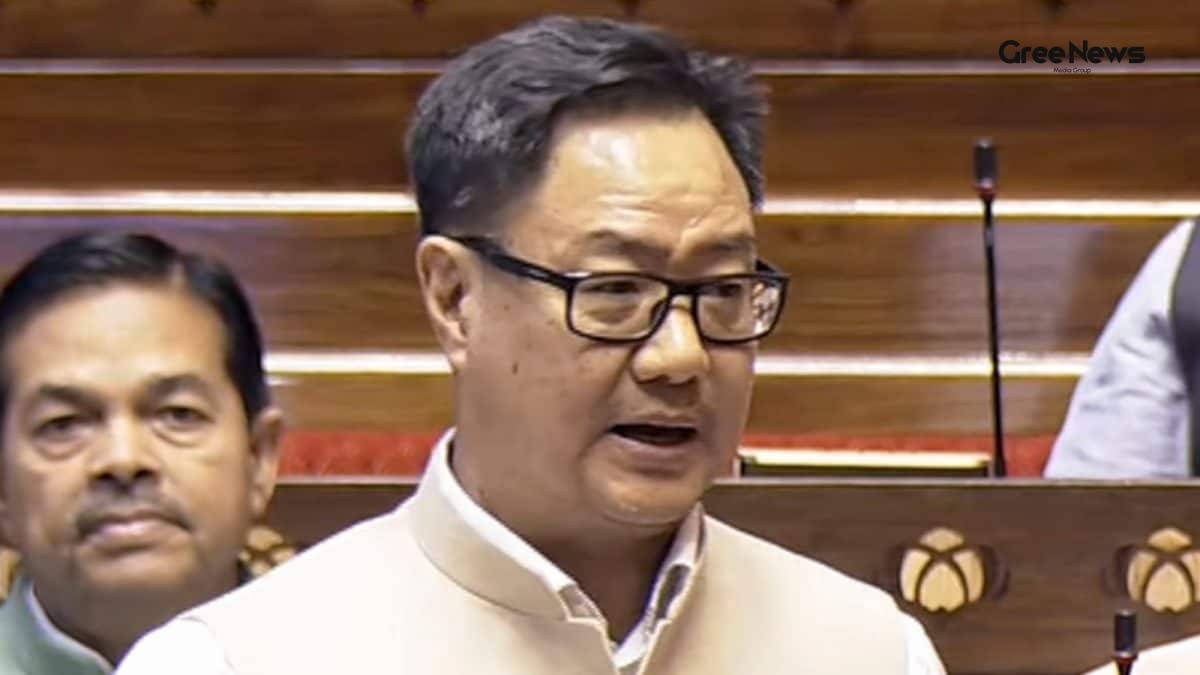
In an exclusive interview with the Hindustan Times which quickly turned into one of the most shared pieces of viral news Kiren Rijiju said, “Proportionately, the representation from the states will remain the same. It will be clearly stated when the bill is introduced. The proportionate thing is based on the population within the state.” He went on to add that once Parliament decides the representation will be “proportional to the existing ratio and the percentage and the increase is 50%, then it applies for Lok Sabha and the assembly seats.”
What’s interesting here is the way Kiren Rijiju kept repeating the key idea that no state will lose its share which is exactly how people naturally emphasize points in conversation. He also used a casual connector, saying, “Basically, once the numbers are set, the increase works uniformly.” This repetition made his message stick in many minds, especially among those who were skeptical.
When pressed about the opposition’s reaction, Kiren Rijiju didn’t shy away. He said, “They will not be able to oppose it, otherwise they will have to live with the black spot of having blocked the reservation. It’s not a question of confidence. It’s a question of commitment. It’s a national commitment.” That line sparked a lot of online debates, some calling it a bold statement, others finding it a bit theatrical.
Women’s Reservation Bill separating it from the delimitation drama
Another piece of the puzzle is the Women’s Reservation Bill, which aims to give women 33% of seats in both Lok Sabha and state assemblies. Kiren Rijiju made it clear that this bill is not a political bargaining chip. He said, “Women’s reservation cannot be equated with any kind of political agenda or used for political benefits.” In many ways, this resonates with the ongoing conversation about gender equality in India and aligns with a lot of the recent India updates we see on social media.
Even though the two bills are being discussed together, Kiren Rijiju tried to separate them in his narrative, emphasizing that the women’s quota is a “national commitment” that stands on its own. This distinction helped many citizens understand that the delimitation discussion isn’t about undermining women’s empowerment.
What the southern states actually stand to gain (or not lose)
One of the key concerns voiced by leaders from Tamil Nadu, Karnataka, Kerala, and Andhra Pradesh was that a reduction in population could translate into fewer seats, and consequently, less clout in national decisions. Kiren Rijiju addressed this head‑on. He said, “They are not penalised for reducing the population; rather, it has been retained. The ratio of increase and the percentage of their share in the total seats will remain the same.”
Let’s break that down with a simple example. Suppose a southern state currently has 20 Lok Sabha seats. With a 50% increase, it would get 30 seats exactly the same proportionate jump as a northern state that goes from 40 to 60 seats. So, while the absolute numbers go up, the relative power balance doesn’t shift. This explanation helped calm many of the protests that had turned into one of the most viral news moments of the week.
Political reactions opposition’s view and the INDIA Bloc’s stance
Even after Kiren Rijiju’s clarifications, the opposition didn’t stay quiet. Leaders from the INDIA Bloc argued that the delimitation exercise could still weaken representation for the south and the north‑east. They pointed out that the “headline number” the total seats would rise, but the “share” could still get tilted in favour of larger‑population states.
This back‑and‑forth turned the issue into one of the most discussed pieces of breaking news on Indian TV channels, with pundits debating the maths live. Some said the government’s promise of a uniform 50% rise is enough to keep things fair. Others felt that even a uniform rise could still amplify the voice of states that already have a larger base.
What’s striking is that many ordinary citizens, like my neighbour in Hyderabad, started reading the actual amendment text just to see for themselves. That curiosity “what happened next is interesting” led to a spike in Google searches for “delimitation bill 2026 India updates,” making it a trending news India keyword for several days.
How the new numbers could shape future elections
If the Lok Sabha expands to 850 seats, we can expect a reshuffle of constituency boundaries across the country. This means political parties will have to reconsider their campaign strategies. In most cases, parties that have a strong presence in the north might get a slight edge simply because there will be more seats to contest there.
However, Kiren Rijiju’s assurance that the proportion remains the same suggests that regional parties from the south will still have a solid base. They just need to adjust to a larger arena. For a political analyst I know, this could mean more coalition talks, as the threshold to form a government would also rise. The sweet spot for a majority will shift from 272 seats (in a 543‑house) to 426 in an 850‑house.
These nuances turned the story into a piece of viral news that kept people scrolling through comments sections for hours, trying to figure out the “What does this mean for the next election?” question.
Public sentiment the ground reality
On the streets of Bangalore, I overheard a group of college students debating the issue over chai. One of them said, “If we get more MPs, maybe our local problems get more attention.” Another argued, “But if the north gets more seats, they’ll dominate the national agenda.” Their conversation captured the mixed feelings that many Indians have a blend of hope for better representation and anxiety about potential imbalance.
Even the media’s coverage reflected this. Some channels ran special segments titled “Delimitation Explained” while others aired panel discussions with experts from the Election Commission. The variety of formats turned the whole episode into a trending news India moment that kept people glued to their screens.
Bottom line why it matters for you
At the end of the day, the key takeaway from Kiren Rijiju’s interview is that the proportionate strength of each state will stay the same, even after the seats increase. This means the voice of the south and the north‑east won’t be diluted, at least on paper. The women’s reservation promise also stays intact, marking a significant step towards gender parity in Indian politics.
If you’re a voter, this development could affect how you see your future representatives and which issues get priority in Parliament. As the next general elections approach, keeping an eye on these changes will be crucial especially if you follow the latest news India feeds or check out the trending news India hashtags on Twitter.
In short, the whole delimitation saga turned into a mix of breaking news, political drama, and everyday conversation. Whether it stays in the headlines or becomes a footnote in the next election cycle, it’s definitely one of those stories that made us all sit up a little straighter and think about the shape of our democracy.