Lavan Oil Refinery Hit, Iran Launches Missile and Drone Strikes on United Arab Emirates and Kuwait
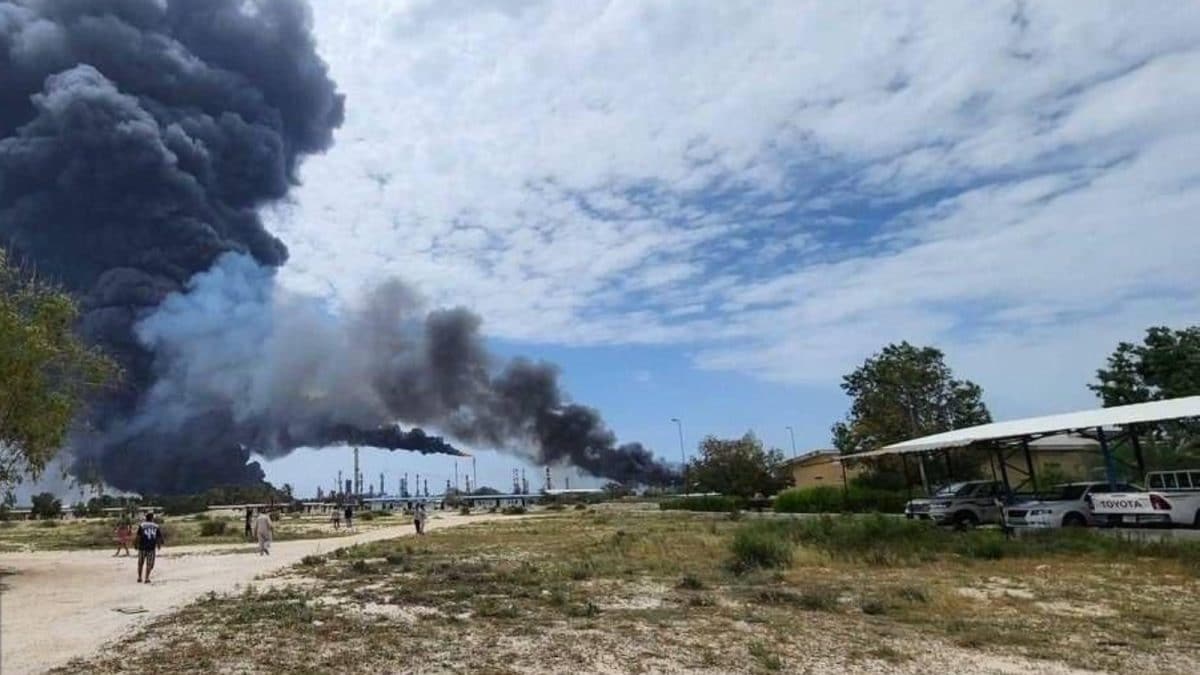
The morning attack on Lavan Oil Refinery on Lavan Island was described by WANA News Agency as a “cowardly” strike that struck refinery infrastructure at roughly ten o’clock local time. Immediate deployment of safety and firefighting teams was ordered to extinguish flames and secure the area. No injuries were reported, and the National Iranian Oil Refining and Distribution Company (NIORDC) attributed the lack of casualties to a swift evacuation of personnel present on the site.
Impact on Iran’s Fuel Distribution Network
NIORDC emphasized that the national fuel supply and distribution framework continues to operate without interruption despite the assault on Lavan Oil Refinery. Nevertheless, NIORDC appealed to the public to practice prudent fuel consumption, discourage unnecessary travel, and favor public transportation whenever feasible. The call for conservation reflects the strategic importance of maintaining stability in the wake of an incident that targeted a key component of Iran’s energy infrastructure.
Iran’s Immediate Military Response
State broadcaster IRIB conveyed, citing local sources, that within an hour of the Lavan Oil Refinery strike, Iran launched a coordinated missile and drone operation aimed at United Arab Emirates and Kuwait. The retaliatory action was portrayed as a direct answer to the aggression on Lavan Oil Refinery. While precise locations of the missiles and drones in United Arab Emirates and Kuwait have not been publicly identified, ongoing investigations are expected to reveal further detail as the situation develops.
Strategic Role of Lavan Oil Refinery
Lavan Oil Refinery, positioned on Lavan Island in Hormozgan Province within the Persian Gulf, has functioned since the mid‑1970s. The facility processes an estimated fifty‑five thousand barrels of crude oil each day, generating products such as gasoline, diesel, kerosene, fuel oil, and liquefied petroleum gas. These outputs satisfy a substantial share of the fuel demand across southern Iran, underscoring the refinery’s pivotal role in regional energy security.
The interruption of operations at Lavan Oil Refinery therefore threatens a critical segment of the country’s energy supply chain. The loss of daily output, even temporarily, could ripple through markets that depend on the refinery’s products, accentuating the broader economic implications of the attack.
Cease‑fire Context and Diplomatic Developments
Hours before the assault on Lavan Oil Refinery, the United States and Iran aGreed to a two‑week cease‑fire, a move that included Iran’s pledge to reopen the Strait of Hormuz as part of the arrangement. The cease‑fire, however, was framed by Iran’s Supreme National Security Council as merely a pause rather than a termination of hostilities. Supreme National Security Council asserted that “this does not signify the termination of the war. Our hands remain upon the trigger,” indicating a continued readiness for further action.
Peace negotiations between Washington and Tehran are slated to occur in Islamabad later in the week. The timing of the Lavan Oil Refinery attack and the swift missile and drone retaliation introduces a volatile element to the diplomatic track, raising questions about the durability of the cease‑fire and the potential impact on forthcoming talks.
Regional Security Implications
The rapid escalation following the Lavan Oil Refinery strike illustrates the fragile balance of power in the Gulf region. Iran’s decision to target United Arab Emirates and Kuwait with missile and drone attacks signals an intent to project force beyond its own borders in response to perceived aggression. This posture may compel neighboring states and external actors to reassess their security calculations, especially given the strategic importance of the Strait of Hormuz for global oil shipments.
Moreover, the absence of reported casualties in both the initial refinery attack and the subsequent Iranian retaliation does not diminish the potential for heightened military posturing. The continued presence of armed forces on high alert, combined with the ongoing diplomatic dialogue in Islamabad, creates an environment where any misstep could rapidly expand into a broader confrontation.
Future Outlook and Monitoring
Analysts will closely monitor the operational status of Lavan Oil Refinery as repair crews assess damage and work to restore full functionality. The pace at which the National Iranian Oil Refining and Distribution Company (NIORDC) can recommence normal output will be a key indicator of Iran’s resilience in the face of targeted attacks.
Simultaneously, international observers will watch the forthcoming talks in Islamabad for any signs of de‑escalation or renewed commitment to the cease‑fire framework. The outcome of those discussions may dictate whether the recent missile and drone strikes against United Arab Emirates and Kuwait represent an isolated retaliation or the precursor to a more sustained phase of tension.
In the meantime, the strategic significance of Lavan Oil Refinery, the swift retaliation by Iran, and the broader diplomatic context all combine to shape a complex and evolving security landscape in the Gulf region.