- Lifestyle Desk
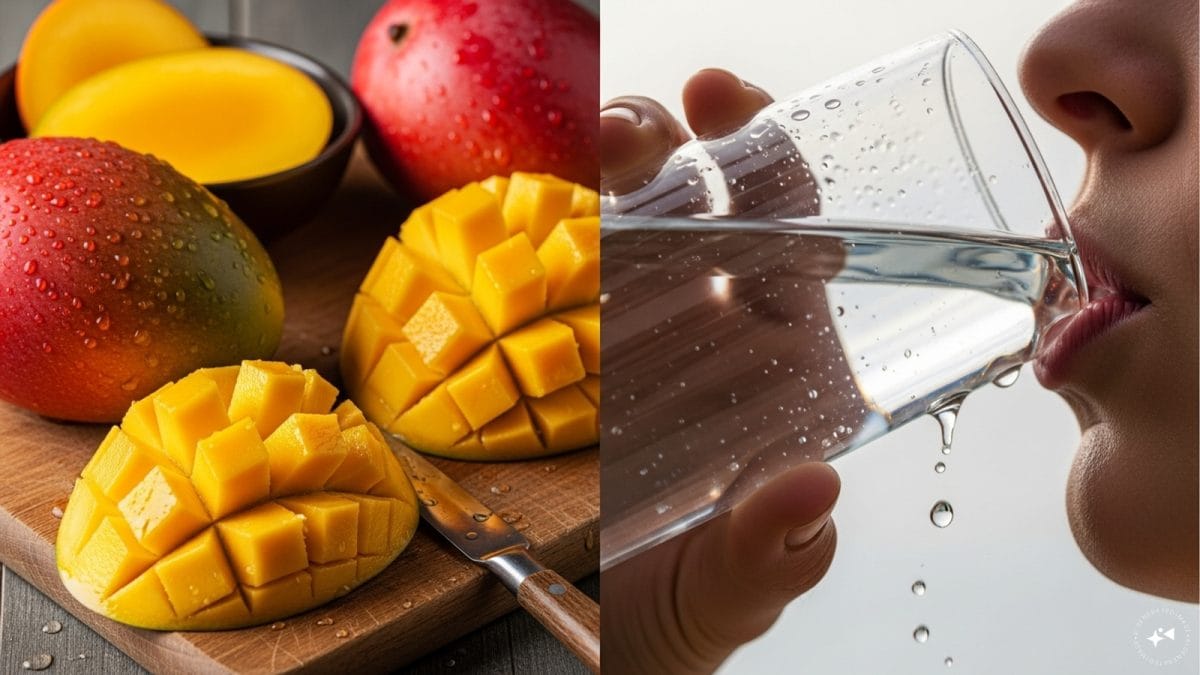
Let me start with a little story. When I was a child, the first sign of summer was the sight of mangoes piled up on every roadside stall, the sweet smell drifting everywhere, and the endless debates among cousins about which variety was the best. You know, the Alphonso from Ratnagiri, the Kesar from Gujarat, the Dasheri from Uttar Pradesh – each one had its own fan club. We would bite into the juicy flesh, lick the juice off our fingers, and then, without thinking, gulp down a glass of cold water straight from the fridge. It felt refreshing, especially when the sun was beating down. But my grandmother would always shake her head and say, “Beta, don’t drink cold water right after mangoes.” At the time I thought it was just an old wives’ tale, something mothers say to keep us from making a mess. Little did I know that behind that simple warning, there was a whole body of knowledge rooted in Ayurveda.
What the Ayurveda doctor says about mangoes and cold water
The Ayurveda doctor I spoke to – a seasoned practitioner who has been treating families for decades – confirmed that the warning isn’t random. According to the Ayurveda doctor, mangoes are naturally “heaty” foods. In Ayurvedic terms, they increase the fire element, called Agni, in the stomach. This fire is essential for breaking down food, absorbing nutrients, and keeping the body energetic. However, when you immediately follow a heaty fruit with cold water, the Ayurveda doctor says it can dampen that fire, making the digestive process less efficient.
The doctor also highlighted that mangoes contain certain natural compounds, like urushiol, which in some sensitive people can trigger mild allergic reactions or digestive unease. The cold water, in the doctor’s view, can trap these compounds by slowing down the stomach’s activity, leading to bloating, gas, or a feeling of heaviness that many of us have experienced after a mango binge.
So, the simple advice from the Ayurveda doctor is: enjoy mangoes, but give your stomach a little breather before reaching for that glass of chilled water.
Why does cold water feel uncomfortable after mangoes?
To understand why, think of your stomach as a little furnace. When you eat something hot – in the Ayurvedic sense – the furnace lights up, the flames grow, and digestion proceeds smoothly. Now imagine sprinkling a bucket of ice water over those flames. Instantly, the heat goes down, the fire weakens, and the furnace can’t work as well. That’s the metaphor the Ayurveda doctor uses to explain the interaction between mangoes and cold water.
In practical terms, the cold water can cause the muscular walls of the stomach to contract suddenly, a phenomenon known as “cold shock.” This reaction can temporarily slow down peristalsis – the wave‑like movements that push food through the gut. When peristalsis slows, the mangoes and their natural sugars stay longer in the stomach, providing more time for the urushiol and other compounds to interact with the stomach lining, potentially causing irritation.
Most of us have felt that mild heaviness after a mango treat followed by a gulp of cold water. It’s not a serious medical emergency, but it can be uncomfortable enough to make you wonder if it was a bad idea. The Ayurveda doctor assures that this is a temporary imbalance of the digestive fire, and the body will correct itself, but it’s better to avoid the unnecessary hassle.
Practical tips from everyday life
So how do we actually apply this knowledge? The Ayurveda doctor gave a few simple, down‑to‑earth suggestions that anyone can try, whether you’re living in a metro city or a small town.
- **Soak mangoes briefly before eating.** The doctor recommends washing the mangoes and letting them sit in a bowl of lukewarm water for about five to ten minutes. This short soak can help wash away some of the surface heat and reduce the amount of urushiol that may cause irritation.
- **Prefer room‑temperature or warm drinks after mangoes.** Instead of reaching for a cold soda or iced water, try a glass of room‑temperature water, a warm herbal tea, or even a cup of buttermilk (chaas) that’s at body temperature. These liquids are less likely to disturb the digestive fire.
- **Give your stomach a small break.** After finishing a mango, wait for at least fifteen to twenty minutes before drinking anything. Use this time to chat with family, check your phone, or just sit quietly – it’s a natural pause that lets Agni settle.
- **Watch the portion size.** The doctor notes that overeating mangoes can increase the heat load on the stomach. A couple of slices or a small bowl is enough for most people, especially if you plan to have other dishes later.
These tips might sound a little extra, but they fit nicely into the rhythm of Indian households. For instance, in many homes, after a mango dessert, the elder family members serve warm milk or a cup of ginger tea. That’s essentially what the Ayurveda doctor is suggesting – a warm, soothing drink that supports digestion.
Real‑life examples from streets and kitchens
Let me take you to a typical street scene in Delhi. You’re standing at a mango stall, the vendor has just handed you a slice of sweet Chaunsa, dripping with juice. You’re feeling the heat, the sun is blazing, and instinctively you reach for your plastic water bottle. If that bottle is filled with cold water straight from a refrigerator, you might feel that odd heaviness a few minutes later – that’s the cold shock the Ayurveda doctor talked about.
Now imagine the same scene, but this time the vendor offers you a glass of plain water that’s been kept at room temperature, perhaps in a metal jug that’s been sitting out for a while. You take a sip, and the feeling of heaviness never really appears. You finish the mango, enjoy the walk, and continue your day without that uncomfortable bloated sensation.
In the kitchen, many Indian families already practice a version of the doctor’s advice, albeit without knowing the exact reason. After a mango‑laden lunch, you’ll often find the family serving a small bowl of warm curd (dahi) or a sip of warm water. This isn’t a coincidence; it’s a cultural habit that aligns with the Ayurveda principle of balancing heat with warm, soothing fluids.
What about other drinks? What if I love a cold mango shake?
The Ayurveda doctor acknowledges that people love cold drinks, especially in summer. A mango shake with ice can be a delightful treat, but the key is timing. If you’re making a mango shake, the doctor suggests blending the mango pieces with milk or yogurt and a little honey, then drinking it slowly and allowing it to warm up a bit in your hand before gulping it down.
In other words, the cold element should not be consumed immediately after eating fresh mango pieces. A short pause, even a few minutes, gives the stomach a chance to process the fruit before the cold temperature hits. This simple adjustment lets you enjoy both the shake’s creaminess and the health benefits without the uneasy after‑effect.
Summing it all up – a friendly reminder
To wrap things up, here’s what you can take away from the conversation with the Ayurveda doctor:
- Mangoes are naturally heaty – they boost the digestive fire.
- Cold water right after mangoes can dampen that fire, leading to a feeling of heaviness, bloating, or mild irritation.
- Soaking mangoes briefly in lukewarm water before eating can reduce surface heat and some irritating compounds.
- Prefer room‑temperature or warm drinks after mangoes, and wait at least fifteen minutes before drinking anything cold.
- Enjoy mangoes in moderate portions and pair them with warm accompaniments like ginger tea, warm milk, or buttermilk.
These are easy, practical steps that fit into everyday Indian life, whether you’re at home, at a roadside stall, or at a friend’s gathering. The next time you bite into a juicy mango, you’ll know exactly how to treat your stomach right, and you can keep enjoying the fruit without that uncomfortable after‑taste of heaviness. After all, mango season is short, and it’s worth savoring every sweet bite the right way.