Why the Jana Nayagan leak matters to every movie‑lover in India
When I first heard that a few clips from Jana Nayagan had mysteriously appeared on the internet, my first thought was that this was just another headline, something that happens with big movies every now and then. But then I remembered the countless evenings I spend waiting for a new release, saving up for the ticket, and the excitement of watching it together with friends at the theatre. That excitement is built on the effort of a huge army of people – from the director who dreams the story, to the set designers who build the worlds, to the sound engineers who make sure the dialogues are crystal clear. For us, the average audience member, we usually only see the final product, the glossy poster and the trailer. We rarely think about how many hands are involved, how many hours are spent, or how many families depend on that one movie to earn a living for a month.
So when a film’s content is leaked before its official release, it isn’t just a “sneak peek”. It’s a direct attack on the livelihood of thousands of workers who have poured their blood, sweat and tears into that very film. That is why the reaction from the industry has been so strong and why the legal battle that followed feels almost inevitable.
Rishab Shetty’s heartfelt plea on X
Rishab Shetty, the director who has become a household name after his recent successes, posted a very personal note on X. He wrote, “Cinema is built on passion, dreams, and love. Countless people work tirelessly to bring entertainment to audiences. When someone tries to tamper with that effort, even in the smallest way, it deeply affects everyone involved.” He then added that the leak of Jana Nayagan was “a serious and unacceptable act”.
Reading his post felt like hearing an old friend expressing disappointment after a party went wrong. Rishab didn’t just point fingers; he asked the audience to respect the effort and stop spreading the footage. “Do not kill the strength to give you many more cinemas tomorrow,” he said. It’s a line that stayed in my mind for a while because it reminded me of the simple truth that if piracy continues, the next film we look forward to might never see a proper release.
He also mentioned standing in solidarity with KVN Productions, the studio behind Jana Nayagan. It was clear that he was not just angry – he was also offering support to his entire team. In my view, it’s like a captain taking responsibility for his crew when the ship runs into a storm. He wanted everyone to protect the “cinema family”.
Lokesh Kanagraj’s gut‑wrenching words
Just a few minutes after Rishab’s post, Lokesh Kanagraj, another highly respected director, also shared his thoughts on X. He described piracy as a “gut‑wrenching experience for the entire industry, which shatters the dreams of thousands of people who’ve put in everything for this film”. He urged fans to “stand with the entire team and support them, and respect their heart”.
Lokesh’s message was simple, yet powerful. He added a little emoji heart and a cinema‑screen symbol, showing that his plea came from the heart, not just as a professional duty. For someone like me, who often watches a film at the local bus stand cinema, these words hit close to home. It reminded me of the many times I have seen a popular movie leak on a cheap mobile phone – the experience is far from the grandeur of a theatre, and the quality suffers a lot. That’s an added disrespect to the creators who spent months perfecting each frame.
Lokesh also reinforced the need to consume art “the way it was supposed to be, in the big screens”. It’s a gentle nudge reminding us that the magic of cinema is best experienced in a dark hall, with the surround sound humming around you, not on a cracked screen.
Legendary stars join the chorus: Rajinikanth, Chiranjeevi and Kamal Haasan speak out
When legends of Indian cinema start talking about something, you know it’s serious. Rajinikanth, the superstar of the South, posted a translated note on X that said the leak caused “shock and pain”. He called for film associations to raise their voice, and asked the government to identify the culprits and impose “severe punishment”. He warned that such crimes should not be allowed to continue.
Chiranjeevi, another megastar, echoed the same sentiment, saying, “The unfortunate leak of Jana Nayagan is something that deeply concerns me. Cinema is built on trust, effort, and the collective dreams of many. Such incidents affect all of us in the industry and remind us how crucial it is to protect our creative work.” He added a call to “kill piracy, save cinema”.
Kamal Haasan, who is known for his thoughtful commentary, described the incident as a “systemic failure”. While his exact words were not quoted in the original snippet, the gist was clear – the whole structure that allows films to be made and released safely is breaking down, and it needs fixing.
Seeing these three titans of the industry voice the same concerns made me realize that piracy is not just an economic issue – it’s an emotional one. When they talk about “trust” and “collective dreams”, they are speaking for the whole ecosystem that includes the dozens of background artists, the makeup crew, the caterers who serve meals on set, and even the drivers who transport equipment.
What piracy actually does to the people behind the camera
Imagine a small town in Karnataka where a group of youngsters work as lighting assistants on a movie set. They receive a modest daily allowance, but that money often goes to feeding their families. If a film gets leaked, the producers may lose a big chunk of the expected revenue, and in turn, they might cut back on future projects or reduce the number of crew members they can afford.
I have personally known a makeup artist in Chennai who told me that his brother, a sound editor, lost a month of pay because a film was pirated before its theatrical run. The production house decided to postpone the next film to recuperate losses, and that meant his brother didn’t get the chance to work on another project that month.
Even the people who are not directly involved in the creative process feel the impact. The local vendors who set up stalls outside the cinema hall rely on the footfall that a big release brings. When pirated versions circulate, the theatre sees lower occupancy, and those vendors earn less. It’s a chain reaction – from the star on the screen to the small tea seller outside the theatre.
So when Rishab Shetty and Lokesh Kanagraj talk about “shattering the dreams of thousands”, they’re not exaggerating. Their words are rooted in a reality that many of us see when we step into a cinema that is half empty even though a big film just released.
Legal action: KVN Productions steps up
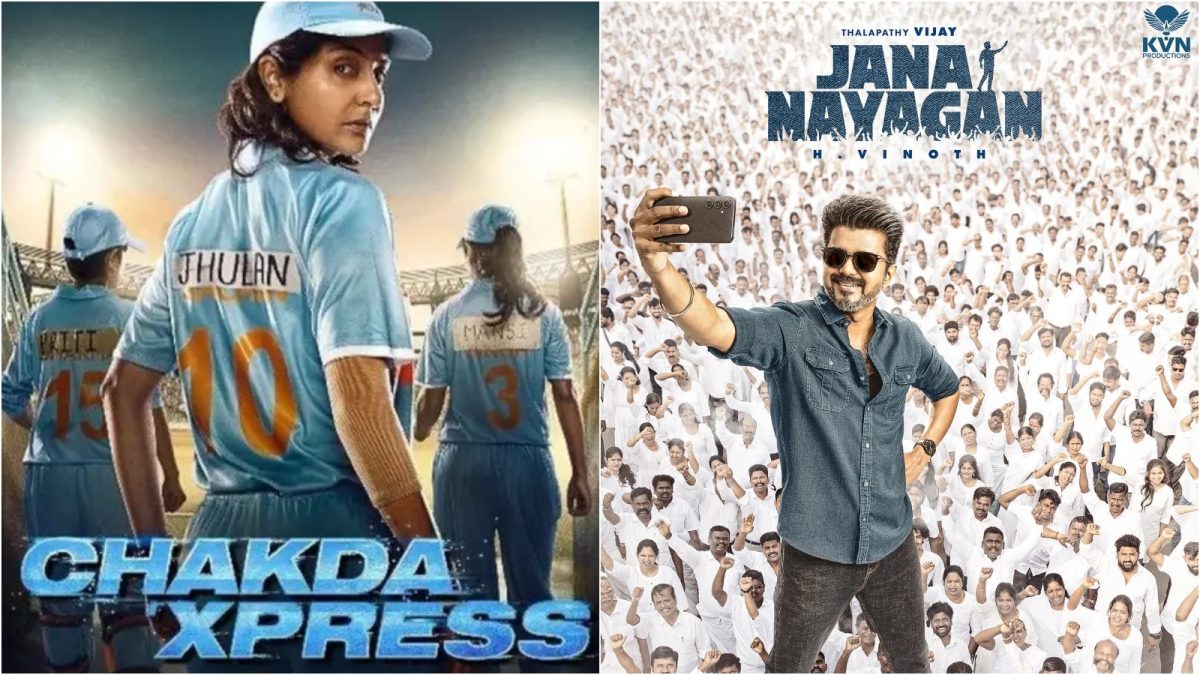
The producers of Jana Nayagan, KVN Productions LLP, have not taken the leak lightly. Within a short span, their legal team issued a public notice warning anyone who shares the leaked clips, images or full versions of the film to stop immediately. The notice mentions that any downloaded, shared or reposted content will lead to legal action.
What this really means for the average netizen is that the police can trace the source of the leak, and the court can order fines or even imprisonment for those involved. KVN Productions expressed “shock and urgency” over the breach, indicating that they are prepared to act swiftly.
From my perspective, this is a necessary step. If the law simply turns a blind eye, it sends a signal that piracy is acceptable, and that would only encourage more leaks. By taking a firm stand, KVN Productions hopes to deter others from attempting the same thing. The legal battle is still in its early stages, but the message is clear – the industry is ready to protect its work, and they are not going to let the pirates win.
Why the battle against piracy matters to everyday movie‑goers like you and me
We often hear the phrase “piracy harms the industry”, but many of us think it only affects the big studios. In reality, when a film like Jana Nayagan gets leaked, the ripple effect reaches our own neighbourhoods. Think about the small multiplex in your area that shows the latest releases. It depends on ticket sales to pay rent, electricity bills and staff salaries. If people start watching the pirated version on their phone, that multiplex may have to close down, and we lose a place to enjoy movies together.
There’s also a cultural angle. Watching a film in a cinema is a shared experience – the collective gasp when a hero makes a dramatic entry, the laughter that spreads through the hall, the tears that come in unison. When we watch a low‑quality leak alone on a small screen, we miss out on that communal feeling. The very soul of Indian cinema, which thrives on community, gets diluted.
On a practical level, many of us buy popcorn and soft drinks at the theatre. Those small purchases add up, helping the theatre staff earn a decent wage. If the film is pirated, fewer people come to the theatre, and those micro‑economies suffer.
So the fight against piracy is not just a fight for the big names; it’s a fight for the little things that make our daily lives richer – the shared laughs, the snack stalls, the feeling of being part of a larger audience. That’s why the heartfelt pleas from Rishab Shetty, Lokesh Kanagraj and the senior legends matter to each one of us.
What we can do: Simple steps to protect cinema
After reading all the messages, I thought about what an ordinary fan like me can actually do. First, avoid clicking on suspicious links promising “full movie for free”. Those are often traps meant to spread the leaks further. Second, support the film by watching it in a proper theatre when it releases – it may cost a bit more, but you’re directly helping the whole crew.
Third, if you accidentally come across a leaked clip, do not share it. Even a simple forward on WhatsApp can help the clip reach hundreds of people. If you see something suspicious, you can report it to the platform or even inform the production house – many of them have official channels for this.
Lastly, spread awareness. Talk to your friends, family, and anyone who loves movies about why piracy is harmful. When we create a community that values the effort behind the screen, the chances of piracy taking hold reduce significantly.
These steps may sound small, but when multiplied by thousands of fans across the country, they become a powerful force. After all, the biggest weapon against piracy is a united audience that respects and values the art.