Bengaluru's tragic incident shows how caregiver stress can turn deadly
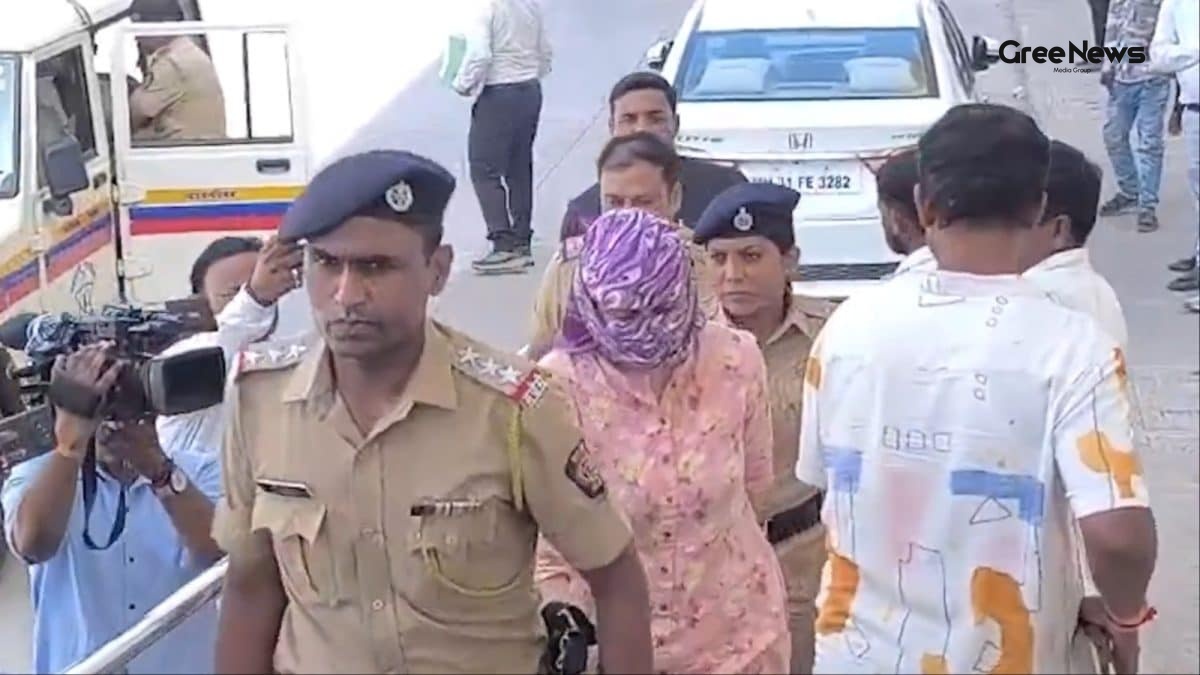
Let me tell you what shook me recently a heartbreaking story from Bengaluru that went viral on the internet. A 42‑year‑old son allegedly pushed his 75‑year‑old paralytic mother off the terrace of their four‑storey building, resulting in an immediate death. He later confessed that he "couldn’t bear her suffering" after years of caring for her on a bed‑ridden basis. When I first read the breaking news, I felt a pang of guilt because I have a dear aunt who needs constant care, and I realised how easily the weight of such responsibility could crush anyone.
This incident isn’t an isolated freak accident. It throws a harsh light on the mental strain faced by millions of family caregivers across India. When you hear about such a thing, you immediately wonder what happened next is interesting, because it reveals a pattern that repeats in many corners of the country.
Similar incidents across India a disturbing trend
Sadly, what happened in Bengaluru mirrors a series of other disturbing cases that have surfaced in the latest news India. A few months back, a man in Palakkad, Kerala suffocated his bedridden wife with a pillow, saying he "couldn’t bear to see her debilitating health condition". In Muvattupuzha, Kerala, an 86‑year‑old man ended his 85‑year‑old wife’s life, citing frustration over her prolonged illness. Over in Thane, Maharashtra, a husband received a life sentence after murdering his bedridden wife a case that made headlines as a severe breach of trust. And not far away in Dhenkanal, Odisha, a 21‑year‑old caretaker was arrested for strangling a 73‑year‑old bedridden man after a heated argument.
These stories popped up as trending news India on various platforms, and many people were surprised by how frequently such heartbreaks occur. Each case tells a similar story: a caregiver, overwhelmed by constant responsibility, reaches a breaking point and resorts to violence. It’s a stark reminder that elder abuse isn’t just about physical harm it’s also about the emotional and psychological pressure that builds up in the caregiver’s mind.
Key statistics on elder abuse in India
When you look at the numbers, the picture becomes even more alarming. Recent surveys indicate that over 70% of elder‑abuse cases in India are perpetrated by family members, with sons and daughters‑in‑law often identified as primary offenders. The most common forms of abuse include verbal abuse (49%), neglect (33%) and disrespect (56%), especially in urban households where the fast‑paced lifestyle leaves little time for proper caregiving.
These stats are part of the viral news that keeps circulating, showing that the problem is not confined to a single city or state. It’s a nationwide issue that needs urgent attention, especially as India’s ageing population grows rapidly.
Why mental‑health support for caregivers is crucial
From my own experience taking care of my grandparents, I can tell you that caregivers often become so consumed by the needs of their loved ones that they forget to look after themselves. This neglect can snowball into overwhelming stress, depression and eventually burnout. Burnout isn’t just an emotional feeling it can manifest as physical fatigue, insomnia, and even chronic health issues.
When caregivers are burnt out, the quality of care they provide deteriorates, and the risk of accidental or intentional harm rises. Early mental‑health intervention, therefore, is not a luxury it’s essential to keep both the caregiver and the elder safe.
5 signs you need a break personal checklist
Based on conversations with friends who are caregivers, I compiled a short checklist of red flags that scream "I need a break":
- Physical exhaustion: Feeling constantly tired even after a full night’s sleep.
- Emotional irritability: Getting easily angry with your loved one or anyone around you.
- Feeling of overwhelm: The sense that one more task will push you over the edge.
- Neglecting self‑care: Skipping meals, ignoring doctor appointments, or not taking medication yourself.
- Loss of enjoyment: No longer finding pleasure in hobbies, outings, or even simple chats with friends.
If any of these sound familiar, trust me you’re not alone, and reaching out for help can make a world of difference.
5 ways to manage caregiver stress tips that worked for me
Here are five practical strategies that helped me and many others manage the daily grind of caregiving:
- Delegate and ask for help: Don’t be shy to involve siblings, neighbours or professional services.
- Prioritise self‑care: Even a short walk around the block or a five‑minute meditation can recharge your mind.
- Use respite care: Temporary relief through day‑care centres or a trusted family member gives you a breather.
- Seek emotional support: Join a support group, talk to a therapist, or simply confide in a close friend.
- Stay organised: Use a simple calendar or an app to track appointments, medications and chores it reduces mental overload.
Symptoms of caregiver burnout what to watch for
- Physical symptoms: Persistent fatigue, sleep problems and unexplained aches.
- Emotional symptoms: Anxiety, irritability, feelings of hopelessness.
- Behavioural symptoms: Social withdrawal, neglect of personal hygiene, loss of interest in activities.
These signs often appear gradually, but catching them early can prevent the tragedy that befell the Bengaluru family.
Dos and don’ts for caregiver mental health
Dos
- Take regular breaks to recharge.
- Seek professional counselling to process emotions.
- Delegate tasks to family members or friends.
- Prioritise self‑care and physical health.
Don’ts
- Don’t ignore your emotions bottling them up can lead to long‑term stress.
- Avoid isolating yourself from support groups and friends.
- Don’t feel guilty for taking time for yourself.
- Don’t overextend your capabilities; know your limits.
The importance of respite care
Respite care gave my aunt’s brother a much‑needed breather last summer, and I saw the difference instantly he returned more calm, patient and attentive. Whether it’s a professional day‑care centre or a trusted family member stepping in for a few hours, this break is essential to prevent burnout.
Caregiving is demanding yet deeply rewarding. Without proper mental‑health support, though, the role can turn into a source of resentment and tragedy, as we witnessed in the Bengaluru case. If you or someone you know is struggling, remember that help is just a phone call away.
Where to get help caregiver support and elder safety resources
Below are some reliable organisations that provide specialised support, counselling and legal aid for caregivers and seniors across India:
National Helpline for Senior Citizens (Elderline)
- Toll‑Free: 14567 (8 AM 8 PM)
- Services: Free guidance on legal issues and elder‑abuse intervention.
HelpAge India
- Toll‑Free: 1800‑180‑1253
- Services: Counseling for both the elderly and caregivers, conflict resolution and stress‑management.
- Website: helpageindia.org
Nightingales Medical Trust (NMT)
- Focus: Dementia care and elder‑abuse.
- Website: nightingaleseldercare.com
Dignity Foundation
- Helpline: +91 91520 04118
- Services: Companion services for lonely seniors and mediation for families.
ARDSI (Alzheimer’s & Related Disorders Society of India)
Website: ardsi.org
iCall (TISS Psychosocial Helpline)
Helpline: +91 91529 87821 (7 AM 10 PM daily)
These contacts are part of the breaking news and current India updates that many families turn to when they need a listening ear or legal advice. Do not hesitate to reach out your well‑being matters as much as your loved one’s.