So, I was sipping my chai on the balcony, scrolling through the news feed, and suddenly a headline about oil prices hitting $100 a barrel popped up. It felt like one of those breaking news moments that you just can’t ignore, especially when every petrol pump in the neighborhood seems to be shouting the same price. I clicked, and what I found was a detailed report on how the world’s biggest oil and gas companies are raking in more than $30 million every single hour. It’s the kind of viral news that spreads fast because it touches everyone’s pocket.
Why the Profits Shot Up So Quickly
Basically the conflict that started in Iran has pushed crude oil prices to an average of about $100 per barrel. When you think about it, that price hike is huge it’s like the price of a litre of diesel suddenly jumping by a couple of dollars. The analysis, which was done for The Guardian, used data from Rystad Energy and Global Witness to figure out how much the top 100 oil and gas firms are earning extra because of the war‑induced price spike.
What happened next is interesting: the price surge translated into an estimated $23 billion in combined windfall profits for the month alone. If the price sticks around the $100 mark, the companies could collectively generate up to $234 billion by the end of the year. That’s a number so massive it feels almost unreal, but the data backs it up.
Who Is Making the Biggest Gains?
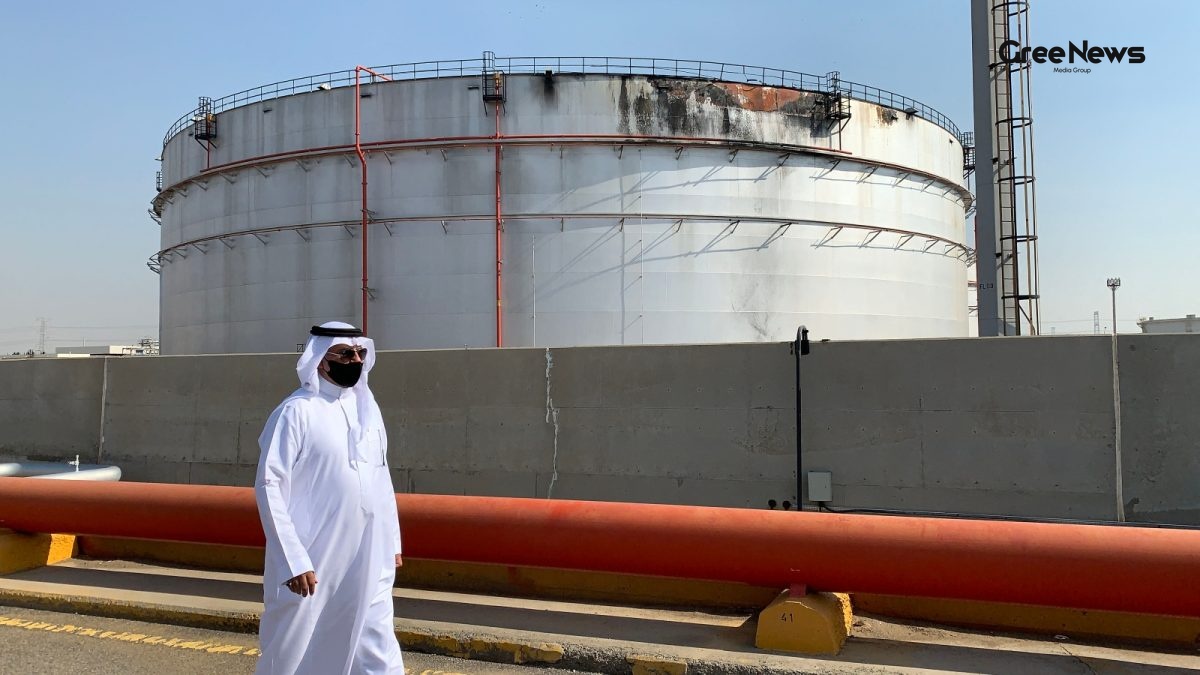
If you look at the list, Saudi Aramco jumps out as the single biggest beneficiary. The firm’s projected war‑related profits could hit $25.5 billion a staggering sum that would dwarf its usual daily earnings. Saudi Aramco has historically pulled in around $250 million a day between 2016 and 2023, so this new figure is on a whole different level.
Not far behind are Russia’s Gazprom, Rosneft and Lukoil. Together they are expected to pocket roughly $23.9 billion in windfall profits by year‑end. It’s clear that the higher oil revenues are feeding Moscow’s broader war economy, with export earnings shooting up dramatically.
Across the pond, US‑based ExxonMobil is projected to add about $11 billion to its bottom line, while Chevron could see an uplift of $9.2 billion. ExxonMobil’s market value has reportedly jumped by $118 billion since the conflict began. Even European giants are feeling the boost Shell, for instance, is looking at a $6.8 billion increase.
What Does This Mean for India?
Now, you might wonder why a story about global oil majors matters to us here in India. The answer is simple: rising oil prices ripple through to fuel, diesel, and even electricity costs that affect every household. In most Indian cities, the price at the pump is already a topic of daily conversation, and any further hike squeezes already tight budgets.
The latest news India outlets are highlighting is that governments worldwide are debating windfall taxes on these massive earnings. European finance ministers are pushing for coordinated action through the IMF and the World Bank to ease the pressure on households dealing with inflation. If such taxes become a global norm, they could indirectly influence oil price dynamics, which might bring some relief to Indian consumers.
For a country like ours, where a large chunk of the population relies on two‑wheelers that run on petrol, every rupee counts. The idea of taxing these windfall profits is catching the attention of policy makers here as well. Many people were surprised by this development because it links high‑level corporate earnings directly to everyday fuel prices.
On a practical level, the rising costs have already led to changes in commuting habits. I’ve seen more colleagues opting for car‑pooling or using public transport like the metro, simply because the cost of filling up a bike has become a bigger part of the monthly expense. This is the kind of trending news India readers are talking about across social media it feels very much like a ripple effect.
Governments Weigh Windfall Taxes
The European Commission is reportedly reviewing proposals from Germany, Spain, Italy, Portugal and Austria. These proposals call for emergency relief measures funded through excess corporate profits. While the focus is on European households, the discussion is setting a precedent that could be followed elsewhere, including in India.
What caught people’s attention is that the windfall taxes are not just about punishing profit; they’re about redistributing a fraction of that extraordinary gain to offset the rising cost of living. In most cases, these taxes could be channeled into subsidies for public transport, renewable energy projects, or direct cash assistance to low‑income families.
If similar discussions gain traction in India, we might see a policy shift that could help curb the impact of volatile oil prices on the common man. It’s a scenario that many of us are watching closely because it directly influences the next petrol price hike we might face.
Personal Takeaway and What to Watch Next
From my side, the whole episode feels like a reminder of how interconnected the world’s energy markets are with our daily lives. One conflict halfway across the globe can turn into a story that lands on our WhatsApp groups, prompting debates about whether the government should step in.
Going forward, the key thing to keep an eye on is whether any of these windfall tax proposals turn into actual legislation. If they do, we might see a shift in how oil giants like Saudi Aramco, Russia’s Gazprom and US‑based ExxonMobil operate financially, and that could eventually translate into more stable fuel prices for Indian consumers.
Meanwhile, staying updated with the latest news India platforms provide will help us understand the bigger picture. Whether you’re a student, a daily‑wage worker, or a business owner, these developments affect us all and they’re definitely worth following as part of our regular news feed.