The Nifty50 and the Sensex remained under pressure and moving in a narrow range as oil prices resumed rally
Honestly, I was sipping my chai early morning, scrolling through the market app on my phone, when the first notification popped up – oil prices were climbing again. That little alert set the tone for the whole day. The Nifty50 and the Sensex ended their five‑session winning streak, sliding back as the crude market got a fresh jolt. It felt like the market was taking a deep breath before diving into the next wave.
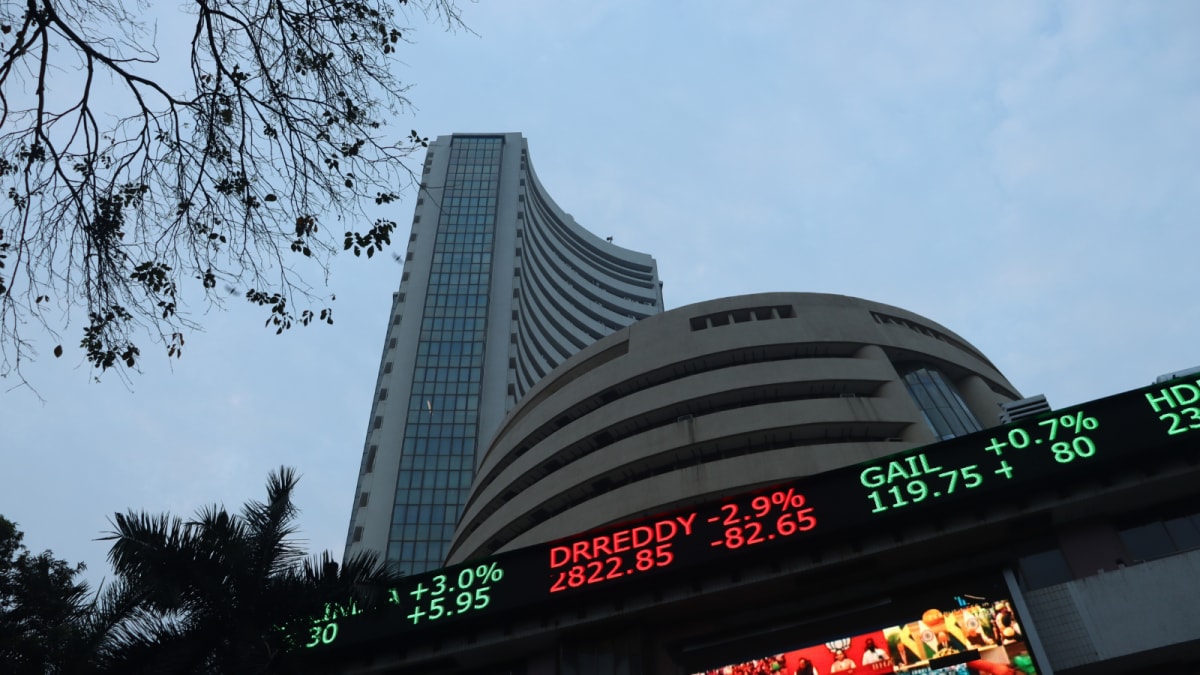
When I looked at the numbers, the Sensex fell by 931 points, a drop that felt sizeable for a market that had been riding high. The Nifty50, on the other hand, lingered just below the 23,800 level. Those numbers kept flashing on the screen, and I could see the same nervous glances on the faces of traders at the local brokerage office in Connaught Place. Everyone knew oil was the hidden driver behind the move.
Top laggards and the surprise gainer
Now, let’s talk about the stocks that turned the day upside down. Jio Financial Services, InterGlobe Aviation, and Larsen & Toubro were among the top laggards on the Nifty50. I remember reading the news that Jio Financial Services’ shares slipped because investors got spooked by the oil price rise and started re‑balancing their portfolios. InterGlobe Aviation, which many of us follow because of its domestic flight routes, also saw a dip – probably a reaction to the higher fuel costs that could squeeze airline margins. Larsen & Toubro, a name that shows up a lot in infrastructure discussions, wasn’t immune either; the heavy machinery sector felt the pressure of rising input costs.
Interestingly, while the big‑cap names were losing steam, the broader market painted a slightly brighter picture. The Nifty MidCap and Nifty SmallCap indices closed 0.25 percent and 0.20 percent higher, respectively. It was one of those moments where you could see the cautious optimism of smaller companies that are often less directly affected by oil price swings. I chatted with a friend who runs a small tech startup in Bangalore; he told me that his firm’s cash flow wasn’t as vulnerable to oil, so the uptick in the MidCap and SmallCap gave his team a tiny morale boost.
Sector performance – banks lag, metal shines
Sector‑wise, the picture was a little mixed. The Nifty Private Bank and Nifty Bank indices turned out to be the weakest performers. Even the usual big‑ticket banks looked a bit weary, perhaps because higher oil prices can indirectly affect credit growth and loan demand. On the flip side, the Nifty Metal index emerged as the top gainer. I recall a friend in a mining town in Jharkhand mentioning that metal prices have been buoyant, and that sentiment filtered through the market numbers.
Talking about metal reminded me of the everyday scene at the local hardware store where I sometimes buy nails and screws. The price tags there haven’t changed drastically, but the market’s optimism about metals gave a small sense of reassurance to those of us who keep an eye on commodity trends for personal investments.
Geopolitical backdrop – Iran’s Parliament Speaker Mohammad Bagher Ghalibaf’s warning
Amid all the market chatter, the geopolitical backdrop added another layer of complexity. Iran’s Parliament Speaker Mohammad Bagher Ghalibaf issued a statement on social media, saying that deep distrust toward the US stemmed from a pattern of violating aGreements. Mohammad Bagher Ghalibaf pointed out the repeated violations, specifically mentioning Israel’s continuous attacks on Lebanon and drones flying into Iranian airspace. That statement, while coming from a political figure far away, had a ripple effect on the sentiment of Indian investors who watch global headlines closely.
When I read Mohammad Bagher Ghalibaf’s comment, I could almost hear the murmur in the office next door – the trading floor’s atmosphere turned tense, as everyone wondered whether the US‑Iran tension might spiral and affect oil supply chains. It’s a classic example of how a comment from a parliament speaker in Tehran can make a Mumbai trader pause before hitting the buy button.
Global cues – Asian markets and Wall Street’s surprise move
Across the Asia‑Pacific region, markets were also feeling the chill of renewed US‑Iran tension. Japan’s Nikkei 225 slipped 0.48 percent while South Korea’s Kospi declined 1.28 percent. Those numbers came through the ticker tape on the TV in my living room, and they seemed to echo the mood in the Indian exchanges.
What surprised many of us, however, was the overnight movement on Wall Street. The Dow Jones Industrial Average jumped 2.85 percent, the S&P 500 advanced 2.51 percent, and the Nasdaq Composite climbed 2.80 percent. It was a sharp contrast – while Asian markets were in a defensive mode, US equities seemed to find a burst of optimism. I remember my cousin in New York texting me, “Don’t worry, we’re buying the dip here.” It was a reminder that markets can behave in opposite directions, depending on local news flow and investor sentiment.
Commodities – oil, gold, and silver numbers
On the commodity front, Brent crude’s April contract rose 2.9 percent to $97.50 per barrel. That rise was exactly the catalyst that kept the Sensex on the back foot. Whenever I hear oil prices nearing the $100 mark, I picture the long queues at petrol pumps and the anxiety of families budgeting for fuel. It’s a very tangible effect that makes the numbers feel real, not just abstract market data.
Meanwhile, gold and silver futures actually traded lower, down 0.66 percent and 2.02 percent respectively. I was a bit surprised because often, when oil climbs, gold usually gets a lift as a safe‑haven asset. But this time, the market moved differently. Perhaps the big rally on Wall Street gave investors enough confidence to step away from precious metals, at least for that short window.
Personal reflections – what a day taught me
Looking back, the day was a reminder of how interconnected everything is. A rise in oil prices, a statement from Iran’s Parliament Speaker Mohammad Bagher Ghalibaf, and a surprising jump on Wall Street – all these pieces came together to push the Sensex down by 931 points. For a regular investor like me, it reinforced the habit of keeping an eye on both domestic and international news, and not just the numbers on the screen.
It also made me think about the everyday person in a small town who watches the TV news and wonders how a geopolitical spat thousands of kilometres away could affect the price of diesel for their tractor. That bridge between macro events and personal impact is what makes following the market both fascinating and a bit nerve‑racking.
In most cases, I find that staying calm and remembering that markets have cycles helps. The Sensex may have slipped 931 points today, but history shows it has recovered from similar dips before. For now, I’m sticking to my routine – checking the market before heading to work, making note of the sectors that are showing resilience, and keeping a small portion of my portfolio ready for any fresh buying opportunity that may arise when the headlines settle down.