Dramatic Drop in Vessel Movements Through the Strait of Hormuz
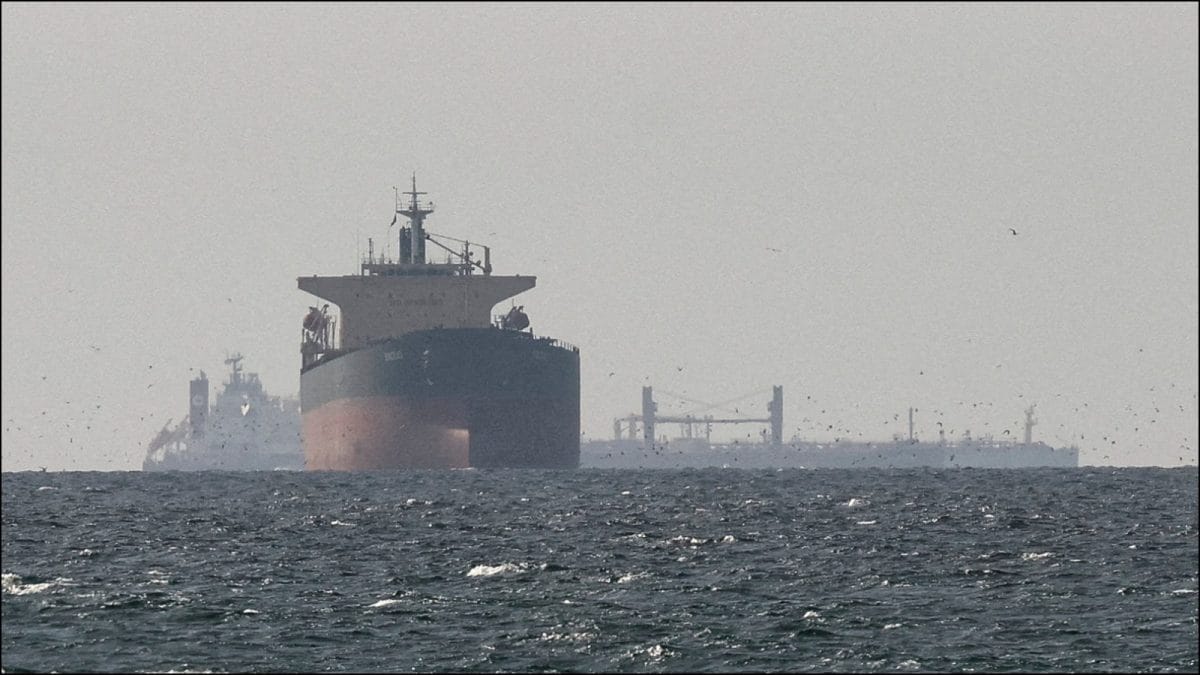
Honestly, when I first saw the numbers on my phone over a cup of chai, I could barely believe it. Only seven ships managed to cross the Strait of Hormuz in the past 24 hours – that’s a tiny slip compared with the normal daily flow of around 140 vessels. The data comes from ship‑tracking platforms like Kpler, Lloyd’s List Intelligence and Signal Ocean, and it paints a picture of a waterway that is practically silent today. The convoy comprised one oil‑products tanker and six dry‑bulk carriers, all of which had to obey a new set of instructions imposed by Iran.
For most of us in India, the Strait of Hormuz is a name that pops up in news about oil prices, but we rarely think about the actual traffic that keeps global fuel flowing. The sudden dip to less than ten percent of usual volumes is not just a statistic; it has real implications for the price of diesel at the pump in Delhi, the cost of cooking gas in Chennai, and the freight rates that Indian exporters pay when they ship goods to the Middle East.
Iran’s Directive on Larak Island Route
Iran’s Islamic Revolutionary Guard Corps has stepped in and told every vessel to steer clear of the traditional lanes and instead pass through Iranian territorial waters around Larak Island. According to a report by Iran’s semi‑official Tasnim news agency, the ships are to enter north of Larak Island and exit just south of it, doing so under the watchful eye of the Islamic Revolutionary Guard Corps navy. The reason given is the presence of naval mines that Iran says have been laid in the usual shipping channels.
What’s striking is how quickly the order was rolled out. In most cases, changes of this magnitude would involve a lot of diplomatic back‑and‑forth, but here the directive came as a clear, blunt instruction. It reminded me of the time during the monsoon season when the Kolkata Port Authority suddenly redirected all cargo ships to dock at a different terminal because of a sudden silt build‑up – the same sense of urgency, only on a far larger, more strategic scale.
From a practical standpoint, navigating the new route means ships have to stay within Iranian territorial waters for a longer stretch. That raises questions about insurance, crew safety and, of course, the political baggage that comes with sailing under the flag of a country that is currently in a tense standoff with the United States and its allies.
Risks for Unauthorised Vessels
British maritime security firm Ambrey has warned that the danger is far from over for vessels that do not have explicit permission from Iran. The advisory points out that ships with any affiliation to the United States or Israel are especially vulnerable. In fact, Ambrey noted that even ships that seemed to have prior approval have been turned back mid‑transit in recent weeks.
Imagine a cargo ship loading mangoes in Kochi, planning to pass through the Strait of Hormuz on its way to a refinery in Saudi Arabia. If that vessel carries a crew member who is a US citizen, or if the chartering company is based in a country that the Islamic Revolutionary Guard Corps views with suspicion, the ship could be denied passage, forced to reroute around the Arabian Sea, and end up incurring extra fuel costs that could easily double the freight charge.
For the everyday trader in Bengaluru who watches oil prices on the news, such disruptions translate directly into higher transport costs and, eventually, higher prices for the final consumer. That is why many Indian exporters are anxiously watching these developments and consulting legal teams to see if they can obtain the necessary clearances from Iran.
Calls for Unconditional Opening of the Strait of Hormuz
The CEO of the United Arab Emirates state oil giant ADNOC has publicly called on Iran to open the Strait of Hormuz unconditionally. The plea is not just about easing the current bottleneck; it is also about maintaining the stability of the global oil market, which, as we all know, has a direct impact on the Indian rupee and the costs of everyday commodities.
Having spoken to a few colleagues in Dubai who deal with oil logistics, I learned that the uncertainty around the strait’s status has forced them to keep a larger buffer of oil in storage, which is not an efficient use of capital. The longer the Strait of Hormuz stays under such tight control, the more pressure we will see on Indian refineries that depend heavily on crude imports from the Gulf.
From the perspective of a regular Indian household, the ripple effect could be felt as a slight hike in diesel prices during the summer months, or a bump in the cost of LPG cylinders, both of which hit the pocket of the middle class hard.
Potential Toll Demands and Crypto Payments
One of the most eyebrow‑raising reports coming out of Tehran is the suggestion that Iran intends to charge a transit toll of up to $2 million per vessel. The Financial Times has highlighted that Iran may even demand payments in cryptocurrency, a move that seems designed to sidestep traditional banking channels and possibly evade Western sanctions.
Now, I’m no tech‑guru, but the idea of paying a toll in Bitcoin or some other digital coin feels a bit like trying to buy a metro ticket with a handful of gold coins – it’s unconventional, it’s risky, and it could set a precedent that other countries might follow. The International Maritime Organization has already weighed in, stating that no international aGreement permits tolls on transit through international straits.
In most cases, the International Maritime Organization’s spokesperson reminded the world that any such toll would set a dangerous precedent. For Indian ship owners, the thought of having to pull out a crypto wallet in the middle of a voyage across the Arabian Sea is both futuristic and frankly unsettling.
International Legal Concerns
The International Maritime Organization reiterated that under the United Nations Convention on the Law of the Sea, the Strait of Hormuz is an international waterway, and the right of innocent passage cannot be impeded by unilateral tolls. The organization’s representative stressed that any attempt to impose a charge would run afoul of established maritime law.
When I think back to the time when the Indian Coast Guard had to deal with a dispute over fishing rights in the Andaman Sea, the legal nuances felt far removed from daily life. But in reality, these disputes shape the rules that keep our ships moving safely and affordably. If the International Maritime Organization’s warnings are ignored, we could see a fragmentation of maritime law that would make every shipping route more complicated and costlier.
For the average Indian who watches the evening news, the legal jargon may sound distant, but the end result could be higher freight rates, longer delivery times for imported goods, and a more volatile price of oil that hits every household.
Wider Impact on Global Oil Supply
Since the Iran‑Islamic Republic war began on February 28, hundreds of tankers and other vessels have been stranded inside the Gulf. The blockage has already cut global oil supply by around 20 percent, a figure that analysts say could rise if the situation in the Strait of Hormuz does not improve soon.
From my kitchen window in Hyderabad, I can see the traffic jam on the road outside my house, and it reminds me of the massive queues of ships stuck at sea. Just as traffic congestion leads to longer travel times and fuel wastage for commuters, the vessel backlog creates a similar effect for oil tankers, leading to higher charter rates and, eventually, pricier gasoline for commuters across India.
In most cases, the ripple effect reaches even the smallest towns where diesel generators are a lifeline during power cuts. If the price of crude continues to climb because of the bottleneck in the Strait of Hormuz, those generators become more expensive to run, adding another layer of financial strain on families that already struggle with rising living costs.