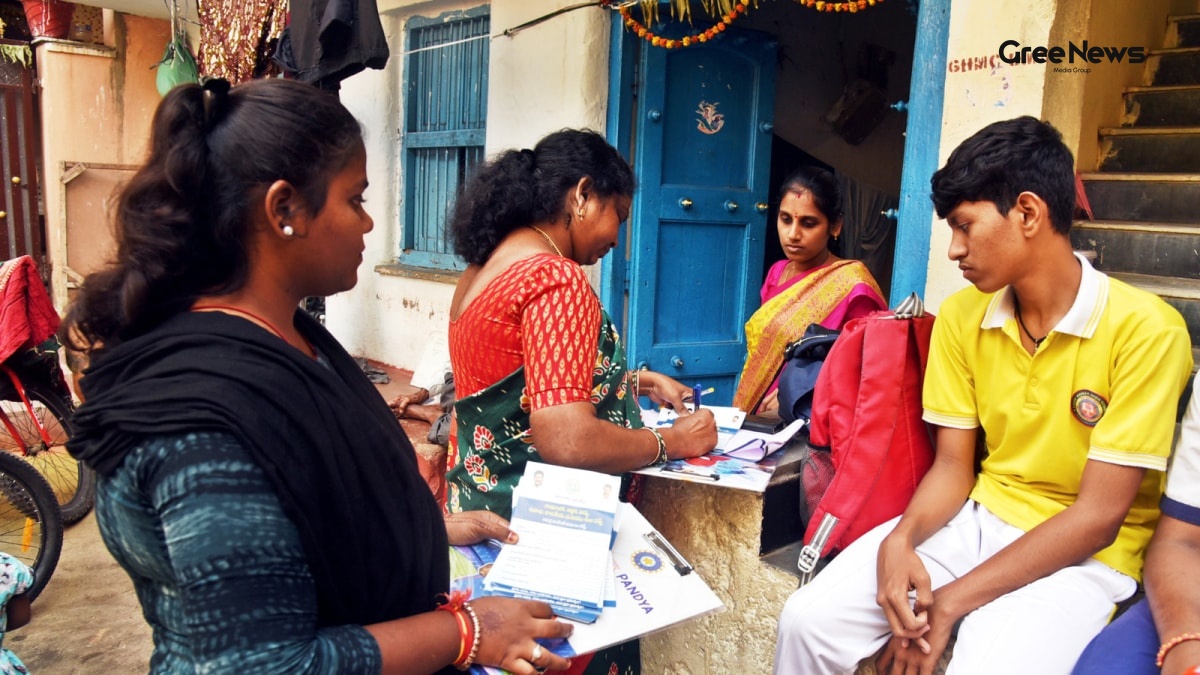
When I first heard about the Telangana SEEEPC Survey, I was a little skeptical after all, large‑scale caste data can be tricky to collect in a state as diverse as ours. But the moment the government uploaded the full dataset on the official portal, I realised this was a genuine attempt at evidence‑based governance. It felt a bit like opening a treasure chest of numbers that had previously been hidden behind political rhetoric.
What happened next is interesting: the numbers started trending across the social media feeds, quickly becoming breaking news in many circles. If you scroll through the latest news India platforms, you’ll notice the headlines shouting about the Backward Classes (BCs) forming the largest chunk of the population a claim that many people found surprising, especially in the context of reservation debates.
Key Highlights of the Survey
The survey covers a whopping 3,54,77,554 individuals that’s over three and a half crore people! The sheer scale gives the findings a solid statistical backbone, making them hard to dismiss as mere speculation.
Here’s the quick breakdown that kept popping up in trending news India feeds:
- Backward Classes (including BC Muslims) 56.33 %
- BCs (excluding Muslims) 46.25 %
- BC Muslims 10.08 %
- Scheduled Castes (SCs) 17.43 %
- Scheduled Tribes (STs) 10.45 %
- Muslims (overall) 12.56 %
- Other Castes (OCs) 13.31 % (excluding Muslims)
- Total OCs (including Muslims) 15.79 %
In most cases, these percentages line up with what social scientists have been suggesting for years, but seeing them laid out so clearly on a public portal made the data feel more tangible like looking at a map of your neighbourhood instead of just hearing stories about it.
Who Are the Largest Communities?
Among the countless individual communities listed, three stood out as the biggest players:
- Madiga 10.3 % of the total population
- Mudiraj 7.4 % of the total population
- Lambadi/Banjara 6.8 % of the total population
Other notable groups that made the cut include Yadava (Golla), Reddy, Goud, Mala and Munnurukapu. The diversity is evident you can almost picture the colourful festivals of each community if you close your eyes.
Many people were surprised by this distribution because, in regular conversation, we often talk about the Reddy or the Kamma as the 'biggest' groups. The survey, however, tells a different story, and that’s why the findings have turned into viral news across the state.
Why This Survey Matters My Take
Honestly, I think the real value lies not just in the numbers, but in what they enable the government to do next. When BC Welfare and Transport Minister Ponnam Prabhakar called the survey a “milestone”, he wasn’t just being flattering he was hinting at a roadmap for future policies.
He urged the Centre to launch similar surveys nationwide, saying, “The Telangana survey should serve as an inspiration for a nationwide exercise to ensure social justice.” If the Centre takes up this suggestion, we could see a wave of data‑driven decisions that actually reflect ground realities, rather than relying on assumptions.
Imagine a scenario where a farmer from a Mudiraj family in Nizamabad can point to this data while discussing eligibility for a new welfare scheme. The transparency could cut down on bureaucratic delays and make the whole system feel more accountable a win for everyday citizens.
How the Data Will Shape Policies
Now, let’s talk about the practical side. The survey’s detailed breakdown will likely influence three major areas:
- Reservation Frameworks: With BCs forming over half the population, any change in reservation percentages will have a ripple effect across college seats, government jobs and even private sector quotas. Policymakers can now fine‑tune these numbers based on solid evidence.
- Welfare Schemes: Knowing that Madiga, Mudiraj and Lambadi communities together make up roughly a quarter of the state’s population helps in designing targeted schemes be it for education scholarships, skill‑training or health insurance.
- Inclusive Development: The data highlights pockets where minorities like BC Muslims are concentrated. That can guide infrastructure projects, such as building schools in under‑served areas, or improving transport connectivity to remote tribal belts.
What’s more, the data is now public, meaning civil society groups, journalists and even ordinary citizens can analyse it, raise questions and keep the government on its toes. That kind of participatory oversight is the hallmark of a vibrant democracy.
Public Reaction A Mix of Awe and Skepticism
Since the release, the story has become one of the trending news India topics on social platforms. You’ll find many comments that praise the transparency, while a few skeptics wonder about the methodology a healthy debate, I’d say.
On the ground, I spoke to a shopkeeper in Warangal who said, “I always thought the Reddy community was the biggest. Seeing Madiga on top, I feel the survey is opening our eyes.” Meanwhile, a student from Hyderabad’s University of Technology posted a thread asking whether the data will affect the upcoming state elections a question that’s bound to stir political discourse.
These varied reactions are exactly what the government hoped for: a conversation that goes beyond headlines and pushes people to dig deeper into the numbers. It’s a classic case of viral news sparking genuine public engagement.
Implications for the Rest of India
If you look at the broader picture, Telangana’s effort could become a template for other states wrestling with similar demographic complexities. The blend of caste, religion and socio‑economic data offers a holistic view that many governments haven’t attempted before.
Imagine the impact if Uttar Pradesh or Maharashtra released comparable data. It could reshape national debates about reservation, affirmative action and inclusive growth. That’s probably why the Centre is being nudged to consider a pan‑India version a move that could turn our country’s policy‑making into a truly data‑driven exercise.
Until then, we, as citizens, can keep scrutinising the Telangana figures, share them in our WhatsApp groups, discuss them over chai, and hold our leaders accountable. That’s the power of transparent data it turns ordinary people into informed participants.
Conclusion A Step Towards Data‑Driven Social Justice
All in all, the SEEEPC Survey is more than just a collection of percentages; it’s a mirror that reflects Telangana’s social fabric in vivid detail. The fact that Backward Classes dominate the demographic scene, with the Madiga community leading among individual groups, tells us a lot about the state’s historical and present‑day realities.
As the data sits on the government portal, ready for analysis, the next chapter will be written by policymakers, activists and everyday folks like you and me. If the survey truly guides future welfare policies, reservation tweaks and development programmes, then this ‘milestone’ could become a turning point for social justice in not just Telangana, but perhaps for the whole of India.
So, keep an eye on the upcoming debates in Parliament and the Assembly they will decide how this treasure trove of numbers translates into real‑world change. And who knows, maybe the next big breaking news story will be about how a data‑driven approach helped a marginalized community finally get the support it deserved.