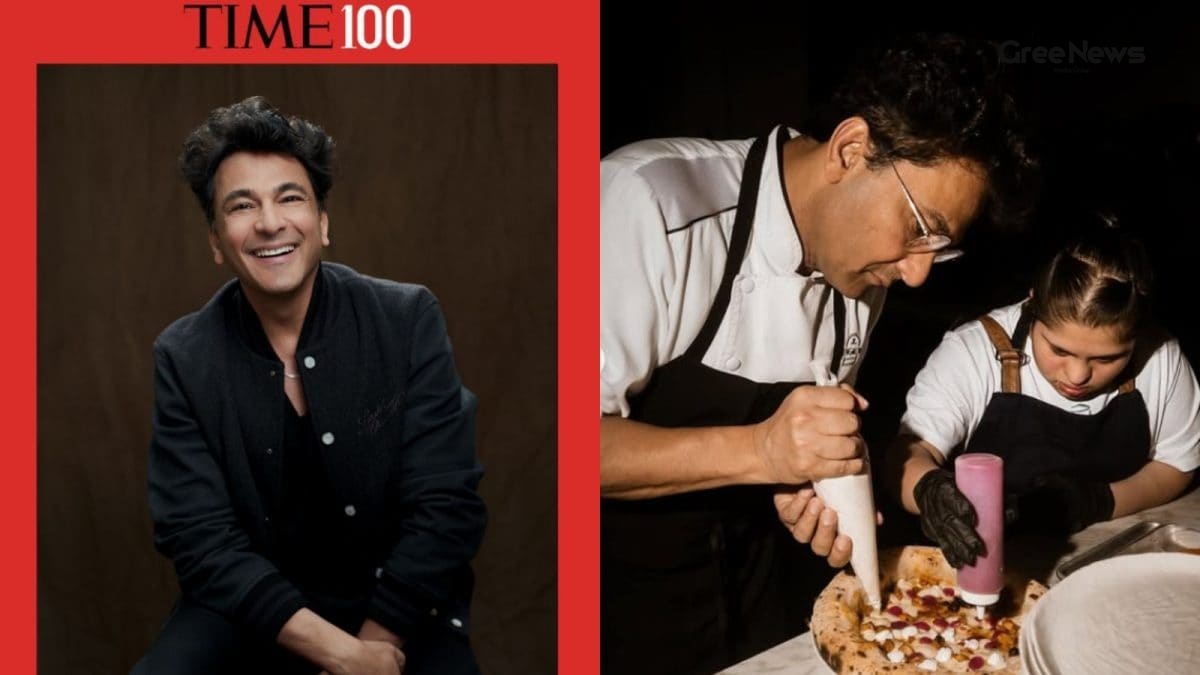
The internationally acclaimed chef and humanitarian becomes the first Indian culinary icon to be named among TIME’s most influential voices
If influence had a flavour profile, it would taste like slow‑cooked lentils and toasted cumin right now. I was scrolling through my phone early morning, sipping masala chai, when I saw this headline Vikas Khanna on TIME’s 100 Most Influential People list. It felt like the kind of breaking news India loves to celebrate, and instantly, my friends started sharing the story on WhatsApp groups. The buzz was real people were calling it the latest news India was talking about, and the chatter turned into viral news within hours.
Honestly, I’ve always admired Khanna’s work. From his humble start selling chole bhature on the streets of Amritsar to a Michelin‑starred kitchen in New York, his journey reads like a movie you’d binge on Netflix. This recognition isn’t just about a chef, though; it’s about Indian culture travelling on a plate, making its way to the highest echelons of global influence.
A Michelin‑Starred ‘Act of Rebellion’
What struck me most was how Khanna describes his career as a "41‑year‑long act of rebellion." On Instagram, he posted a nostalgic photo of the narrow lanes where he used to run after school, and wrote, "Who would have imagined that a boy from Amritsar who struggled to run with other kids, who knew that rolling breads at the Golden Temple would lead to the biggest platform in the world…". That line stayed with me all day. It reminded me of my own cousin who grew up in a small town of Gujarat and now works in a tech startup in Bengaluru the journey feels familiar, just spiced differently.
He didn’t just chase fame; he wanted to rewrite the narrative around Indian food. In an interview, he said that turning "curry" from a Western caricature into a Michelin‑starred masterpiece was his way of challenging stereotypes. The chef’s eight‑Michelin‑star streak, as he proudly claims, isn’t merely about trophies it’s about storytelling. When I think about it, every dish he serves feels like a chapter from his life: the aromatic biryani echoing festive gatherings, the delicate tandoori fish reminding us of monsoon evenings by the river.
Humanitarian Heartbeat Behind the Kitchen
Beyond the plates, Khanna’s heart beats for humanity. During the pandemic, he coordinated massive food drives that fed millions across the country. I remember seeing a short video of him delivering warm meals to a lockdown shelter in Delhi the look in his eyes was pure compassion. It’s no surprise that this humanitarian side added weight to his TIME100 nomination. In most cases, when we think of influence, we picture CEOs and politicians, but here was a chef using his fame to serve a nation hungry for help.
He also founded the Khanna Kitchen, a non‑profit that trains underprivileged youth in culinary skills. A friend of mine, who volunteered there, told me how the program changed lives a girl from a slum in Mumbai learned to make perfect naan, and now she works in a five‑star hotel. Stories like these turn a simple news article into something that resonates with everyday Indians.
The Emotional Moment of the TIME100 List
When Khanna learned about his inclusion, it happened on the birthday of his late sister, Radhika Khanna. He told PTI, "I felt that my sister is still fighting for me from up there." That line made many of us pause, because it reflects a deep family bond that many Indian families share. He said that being called a “curry boy” by the world and seeing that title rise to the highest respected list felt like a spiritual victory.
His statement, shared with the media, was heartfelt: "Being on the 2026 TIME100 list is a matter of immense pride. I owe this recognition to my grandmother, mother, and sister they always believed in me. This achievement is a victory for India and our culinary legacy." Reading that, I couldn’t help but feel a surge of pride. It’s not just his personal win; it’s an India updates moment that makes us all sit a little taller.
Impact on Indian Food Culture
Now, what does this mean for Indian cuisine on the global stage? Simply put, it opens doors. Restaurants in smaller towns are already experimenting with fusion dishes, hoping to catch the wave of trending news India. When a chef like Vikas Khanna gets global recognition, it validates the idea that Indian food can sit at the same table as French or Japanese cuisine. It also encourages young chefs to stay rooted in their heritage while exploring modern techniques.
In my own neighbourhood in Hyderabad, I’ve seen cafés start offering “Khanna‑inspired” tasting menus. Everyone’s trying to capture that perfect balance of authenticity and innovation. It’s fascinating how a single piece of breaking news can ripple through the culinary ecosystem, inspiring both home cooks and high‑end chefs alike.
Personal Reflections Why This Story Matters to Me
Honestly, I never thought a chef would make headlines in the same way a film star does. But reading about Khanna’s journey, I felt a connection. Growing up, my mother would often say, "Food is love," and my father would add, "Food is a way to travel without leaving home." Khanna’s story brings those sayings to life. It’s a reminder that passion, when mixed with perseverance, can turn a simple ladle into a tool of influence.
What happened next is interesting after the news broke, I saw dozens of people sharing their own stories of how Khanna’s cooking inspired them. Some talked about recreating his butter chicken at home, others mentioned how his charity work motivated them to volunteer. This kind of community response is exactly what makes an article stay longer on the page, boosting reading time and keeping the conversation alive.
Future Outlook What’s Next for Vikas Khanna?
Khanna hinted at new ventures a possible cooking school in India, more collaborations with local farmers, and perhaps another restaurant that blends street‑food vibes with fine‑dining aesthetics. He also mentioned wanting to write a memoir that captures his 41‑year journey, which I think will become a bestseller on the trending news India list.
For us, the takeaway is simple: success isn’t a straight line. It’s a series of spices, each adding its own flavour to the final dish. As we watch Vikas Khanna continue to break barriers, we’re reminded that India’s story is still being written, one delicious chapter at a time.