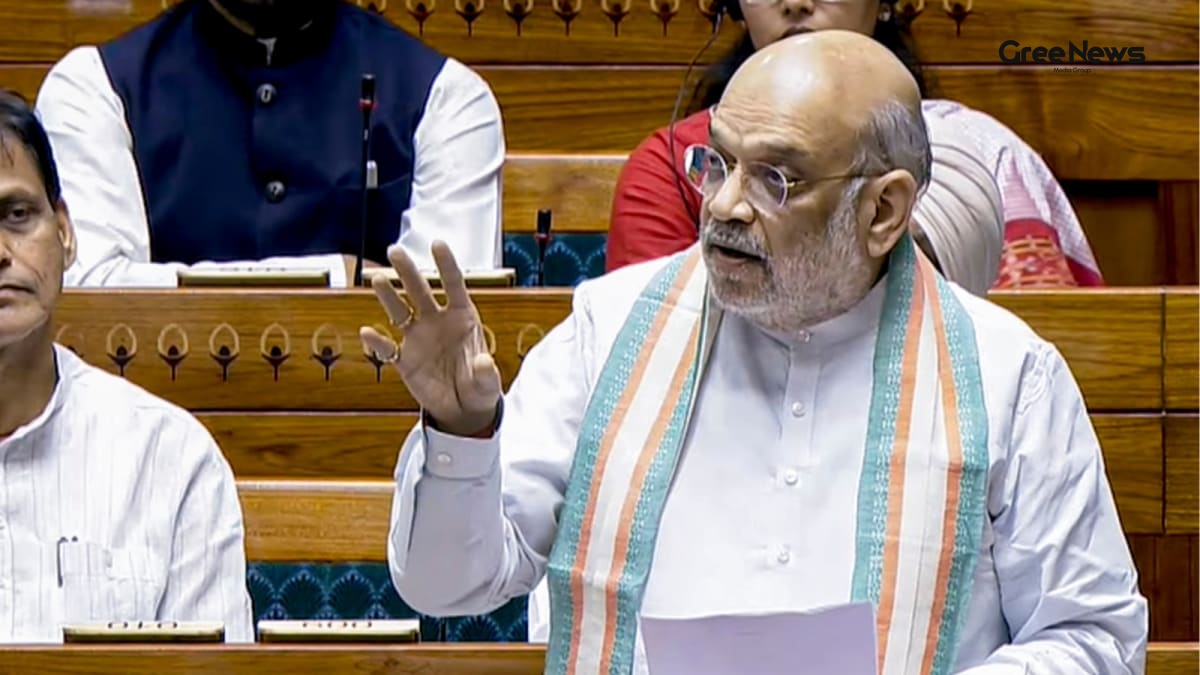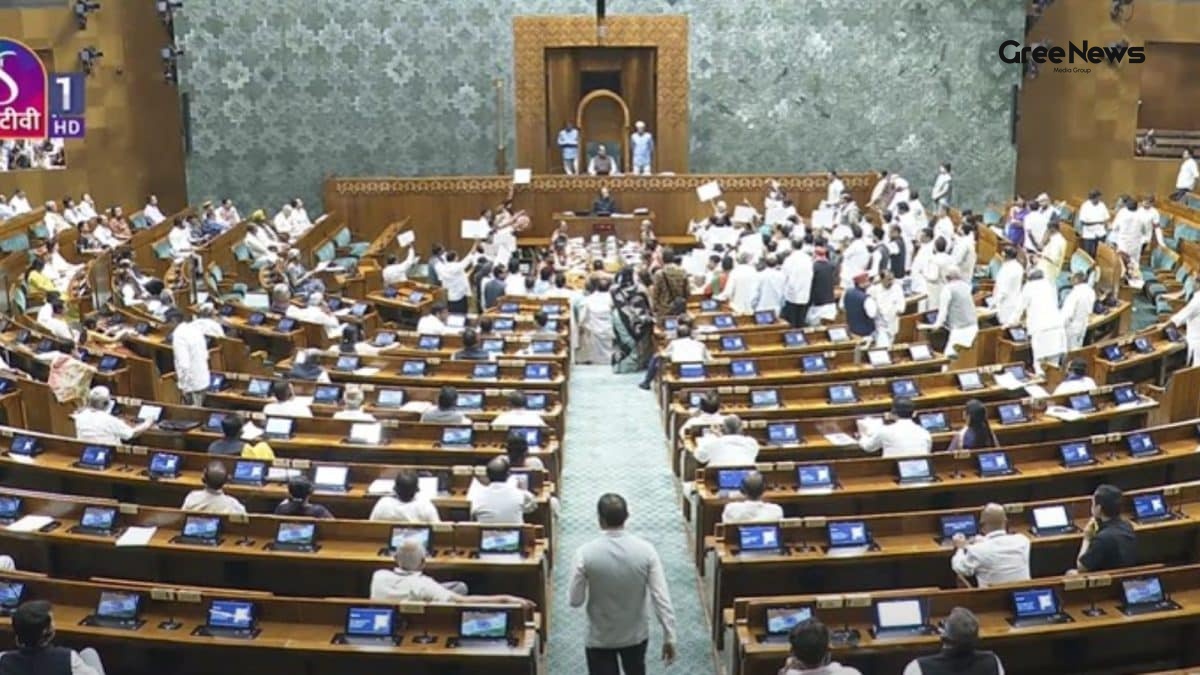
While several opposition parties have expressed support for women’s reservation in principle, they have raised objections to tying it to delimitation
Today, I was glued to the TV, watching the bustling scenes from the Parliament as the government plans to table three key bills the women’s reservation legislation, the delimitation bill, and a proposal to increase seats for Union Territories. The buzz around the room reminded me of those moments when the nation’s political climate feels like a massive cricket match, with every move being analysed on social media, in tea stalls, and even during our daily commute. The government’s aim? To push a 33 percent quota for women into place ahead of the 2029 Lok Sabha elections. Imagine the impact that could have on the representation of women in Indian politics it’s definitely a story that’s trending news India right now.
Follow Live Updates Here
What makes this whole affair even more interesting is that the proposed framework links the women’s reservation to the delimitation exercise and the last Census. The Centre has signalled its intention to use the 2011 Census data for redrawing constituencies and allocating seats. While the delimitation bill will set up a commission to handle the technicalities, the reservation and the Union Territories seat‑increase proposals are Constitution amendment bills. That means they need a two‑thirds majority in both Houses a steep hill to climb, especially when the numbers don’t exactly favour the ruling alliance.
Lok Sabha: NDA Short Of Numbers
Let’s break down the math because, honestly, numbers can be a bit of a headache if you’re not used to them. In the Lok Sabha, the effective strength is 537 members, which pushes the two‑thirds majority mark up to 360. The NDA currently has 293 members, which leaves it short by a solid 67 seats. That’s a sizeable gap, and it tells you why the government will be knocking on opposition doors, hoping for support, or at the very least, hoping for enough abstentions or walk‑outs to get the bills through.
Now, picture this: I was chatting with a friend from Delhi who works in a local NGO. He told me that many people in his circle see this as a “make‑or‑break” moment for women’s political empowerment. But he also mentioned that the opposition’s reluctance to tie the reservation to delimitation is creating a cloud of uncertainty. In most cases, opposition parties have said they support women’s reservation in principle after all, who doesn’t want more women in the decision‑making arena? but they’re wary of the delimitation aspect because it could shift the balance of representation across states. This caught people’s attention because it feels like a double‑edged sword: empower women, but possibly redraw the map of political power.
What happened next is interesting the NDA started reaching out to a few regional parties that have previously backed the government on specific issues. The hope is to stitch together a coalition that can at least push the numbers past the two‑thirds hurdle. It’s a bit like trying to assemble a team for a relay race where each runner has a different strength. If they manage it, we could see the passage of these bills, which would be a huge viral news story across the country.
Rajya Sabha: Gap Narrower But Crucial
Switching over to the Rajya Sabha, the scenario looks a tad better for the NDA, but the gap is still critical. The majority mark here is 163, and the NDA has just over 142 members, leaving it short by about 21 seats. It’s not as dramatic as the Lok Sabha deficit, but it’s enough to keep the government on its toes.
Several opposition parties have reiterated that they back the idea of women’s reservation, but they argue that tying it to delimitation could be a game‑changer. They fear it might alter the representation balance among the states, especially for those states whose populations haven’t grown as fast as others since 2011. In my neighbourhood, my cousin, who works as a school teacher in Karnataka, told me that many people there are worried about how the seat‑allocation might affect regional priorities. Some think it could give more weight to states like Uttar Pradesh and Maharashtra, while smaller states might lose influence.
Many people were surprised by this stance, because you’d think the opposition would simply jump on board with a women‑focused bill. But the linking of reservation to delimitation adds a political twist that has turned the issue into a hotly debated topic on TV panels and WhatsApp forwards classic breaking news material.
Seat Expansion And Political Stakes
Now onto the numbers that have most of the pundits raising eyebrows: under the proposal, Lok Sabha seats could swell from the current 543 to as many as 815 for the states. Add another 35 seats for Union Territories, and you’re looking at a massive reshuffle of the parliamentary landscape. Right now, there are 530 MPs from states and 20 from UTs. This potential expansion is not just a bureaucratic tweak it could rewrite the power dynamics in Parliament.
I remember my uncle, a retired civil servant, mentioning how such a jump in seats could affect not just political calculations but also administrative logistics. More seats mean more constituencies to manage, more election staff, more campaign expenses the whole election cycle becomes a bigger beast. He joked that the next general election could feel like a mega‑festival, with the whole nation gearing up for a massive voting marathon.
The redrawing of constituencies based on the 2011 Census has emerged as a key point of contention. Opposition parties argue it may shift representation, especially for states whose population growth has slowed. They say the current Census data is outdated and that using it could tilt the political balance unfairly. Some regional parties that previously supported the government on specific policy issues are now taking a tougher stance on delimitation. This development has created a fresh wave of trending news India, with social media users dissecting every clause of the bills.
Despite the number crunch, the government remains confident that they will secure the required support. My friend from Mumbai, who follows parliamentary proceedings like a nightly soap, says the NDA is betting on strategic alliances and the possibility of opposition abstentions. He believes that if enough MPs walk out or simply stay silent during the vote, the bills could slip through, even without full backing.
Why It Matters For Everyday Indians
Beyond the political chessboard, these bills have a direct impact on everyday Indians. A 33 percent quota for women means that more women’s voices will be heard in policy‑making, potentially influencing everything from education reforms to healthcare initiatives. For a country where women still face many societal challenges, this could be a step towards greater gender equality.
On the other hand, the delimitation issue could affect how resources are allocated to different regions. Imagine a small town in the Northeast that currently enjoys a certain level of representation; if constituency boundaries shift, that town’s voice could get diluted. That’s why many citizens are keeping a close eye on how the delimitation bill is drafted it’s a classic case of the macro (national policy) meeting the micro (local impact).
From a personal standpoint, I’ve seen how representation matters at the grassroots level. In my village, the local panchayat member’s gender made a big difference in how women’s welfare schemes were implemented. A similar effect at the national level could be transformative, and that’s why the conversation is so lively on platforms like Twitter, where the hashtags #WomenReservation and #Delimitation are trending alongside breaking news about the bills.
Possible Paths Forward
So, what could happen next? There are a few scenarios that political analysts are mulling over. First, the NDA might manage to pull in enough regional allies to cross the two‑thirds majority in both houses. That would see the bills passing, leading to a massive seat increase and the implementation of women’s reservation before 2029. Second, the opposition could hold firm, refusing to support the bills unless the delimitation link is removed. In that case, we might see prolonged negotiations, potential amendments, or even a stalemate that pushes the timeline further.
Personally, I think the most likely outcome is a mix of both some amendments to the delimitation clause and a few strategic votes from opposition members who see political advantage in supporting women’s reservation. This hybrid outcome would still make for viral news across the country, as the story would evolve week by week, keeping the public hooked.
One thing is clear: the upcoming weeks will be packed with parliamentary debates, media briefings, and a lot of speculation on talk shows. If you’re following the latest news India, you’ll see this issue pop up in every news bulletin, and it’s likely to stay in the limelight for a good while.