How I first saw Vivek Sinha's impact in Dhurandhar
Honestly, when I walked into the theatre for Dhurandhar, I was there mainly for the big stars – you know, Ranveer Singh and the usual crowd. But a few minutes into the film, a short scene flashed on the screen and my attention was instantly hooked. It was Vivek Sinha, playing the terrorist Zahoor Mistry, and though his screen time was limited, the intensity of his performance felt like a bolt of electricity. I could feel the tension rise in my chest, and for a few seconds I completely forgot about the popcorn and the loud laughter that usually follows a Bollywood action flick. That’s the kind of power a small role can have when the actor gives it his all.
Even after the credits rolled, I kept thinking about how someone with just a few minutes on screen could cause such a shiver. It reminded me of those cameo appearances in older Hindi movies where a single line would stay with you for weeks. So, when the buzz about the film’s success started spreading, I made a mental note to keep an eye on Vivek Sinha’s name – not because I was looking for gossip, but because I was genuinely curious about how the industry would react to that kind of performance.
The massive wave created by Dhurandhar and its sequel
Dhurandhar made history, no doubt about it. The film smashed box‑office numbers and got rave reviews for its tight storytelling and crisp direction by Aditya Dhar. Everyone from the city buzzed about it – from the tea stall owners near my office to the traffic police on the highway. The success was so big that it naturally led to a sequel – Dhurandhar: The Revenge – which kept the momentum going. People kept talking about the film’s grand scale and how it set a new benchmark for Indian spy thrillers. The sequel kept the same high‑octane feel, adding more twists that made the audience keep guessing.
Watching both films back‑to‑back felt like watching a marathon of adrenaline. The city’s atmosphere changed a bit; even the auto drivers started naming their rides after the characters. The hype was everywhere, and it was clear that every actor, whether in a lead role or a brief cameo, became a part of that larger story. I couldn’t help but notice that the focus wasn’t just on the main stars – the supporting cast, including Vivek Sinha, received a lot of attention because they added that extra layer of authenticity to the gritty world Aditya Dhar created.
Vivek Sinha’s portrayal of Zahoor Mistry and the fallout
When Vivek Sinha stepped into the shoes of Zahoor Mistry, a hijacker from the 1999 Indian Airlines incident, the role was naturally delicate. He had to balance the menace of a terrorist with an almost theatrical delivery that fit the film’s stylised tone. In my view, he managed to do it without over‑doing it – a rare skill when you’re dealing with such a charged historical context. However, the dialogue he delivered – “Hindu waqai darpok qaum hai” – caused a stir. Social media lit up with people either defending the line as part of the narrative or condemning it for being offensive.
People started sending messages and posting comments demanding explanations. Some even accused Vivek Sinha of being a terrorist himself, which, of course, was absurd. I remember scrolling through my phone late at night, seeing dozens of memes and heated debates, all centred around that single line. It felt like the entire nation was suddenly dissecting a short scene from a movie, and the actor was stuck right in the middle of it.
Why the rumours about his fee started swirling
The next thing I noticed was that alongside the dialogue controversy, another conversation took a different turn – people started guessing how much Vivek Sinha earned for his role. Some pages claimed he got sixty lakh, others mentioned eighty lakh, and a few daring sources even shouted that he must have pocketed a crore. It felt like the internet was eager to attach a big number to any name that popped up in the headlines. The speculation was everywhere – from fan blogs to random WhatsApp forwards, all echoing the same exaggerated figures.
In my circles, I heard a friend say, “If he got a crore, why does he look so stressed on Instagram?” That made me wonder whether the rumours were more about feeding curiosity than reflecting reality. I started thinking about the pressure actors face when they become the subject of such speculation – not just about their art, but about their earnings and lifestyle.
Vivek Sinha’s Instagram video: setting the record straight
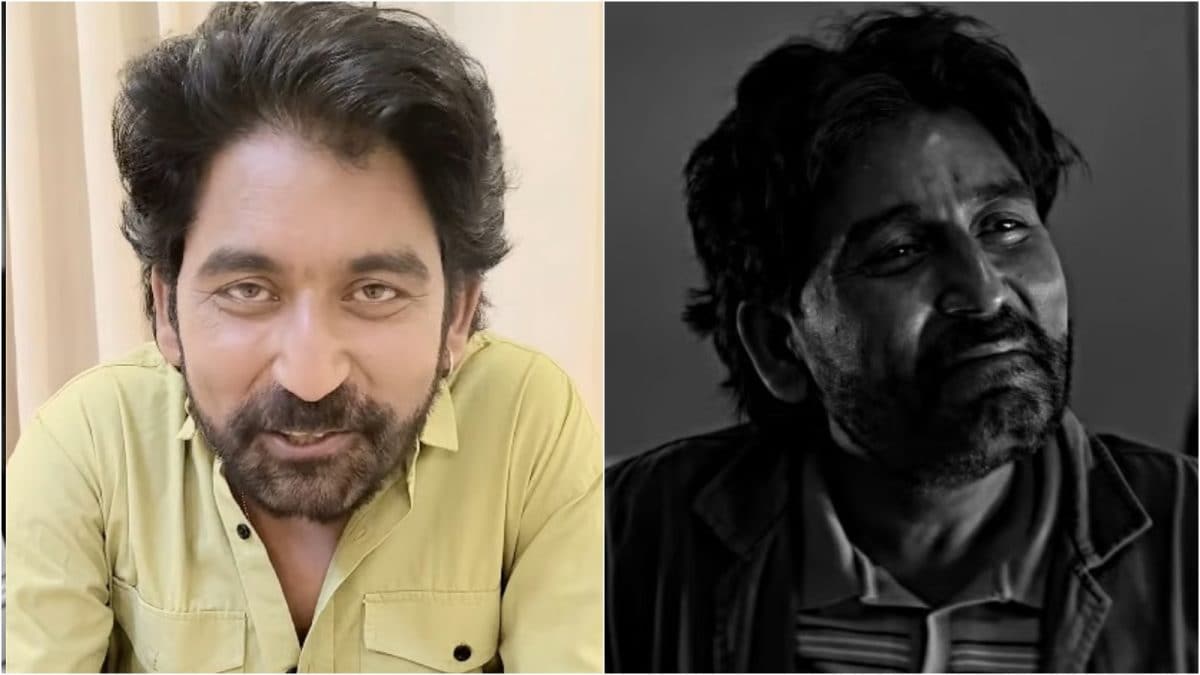
One evening, I was scrolling through Instagram and saw a video that immediately caught my eye – it was Vivek Sinha himself talking directly to his fans. He started by thanking everyone for the love and appreciation they showered on him after the film’s release. Then, in his typical candid style, he addressed the fee rumours. He said, “Bhai, itna paisa nahi mila kasamse. Yeh sab mat dalo.” The sincerity in his voice made it clear he wasn’t trying to hide anything; he was simply tired of the exaggerated numbers floating around.
He went on to explain that the amount he received was good – “achcha paisa mila” – and that it matched what he expected. But he also mentioned that the money is already spent. “Mumbai mein rehta hoon bhai, aur bahot kharche hai Mumbai mein. Toh Dhurandhar wala saara paisa khatam ho chuka hai,” he said. It was a relatable bit for anyone living in the city, where the cost of living can eat up a substantial part of anyone’s earnings.
Watching that video, I felt a mix of relief and empathy. It’s one thing to hear rumors from strangers, and another to hear someone explain it in their own words. His tone was humble yet firm, and I could sense the frustration of being constantly approached for financial assistance because people thought he’d have a big sum saved.
My take on the whole fee controversy
Honestly, after watching his video, I started thinking about how often we, as a public, jump to conclusions about an actor’s earnings based purely on their screen presence. In most cases, a short role doesn’t automatically mean a massive fee, especially when the film’s budget is spread across a large ensemble. Vivek Sinha’s case reminded me that many actors, even if they appear in a blockbuster, might still be dealing with everyday financial pressures.
I recalled a conversation I had with a friend who works in Mumbai’s IT sector. He told me that even a decent salary feels small against the city’s rent, transport, and food costs. Vivek Sinha’s comment about his money being “khatam” resonated with that reality. It’s a gentle reminder that fame does not always equate to wealth, at least not immediately.
Clarifying his identity amid the backlash
Besides the fee discussion, there was another wave of misunderstanding. Some social media users had started calling him a terrorist, simply because of the role he played. In a short post, Vivek Sinha wrote, “Mera naam Vivek Sinha hai aur main aatankwadi nahi hoon.” It was a simple statement but a powerful reminder that actors are not their characters. Those who followed his handle on Instagram could see his sincerity.
From my side, I felt that his clarification was necessary, not just for his own peace of mind but also for the audience who might blur the line between fiction and reality. The incident brought out how quickly an audience can conflate a role with personal beliefs, especially when the subject matter is sensitive.
How Dhurandhar 2 continues the saga
Meanwhile, the sequel, Dhurandhar 2, has been on a monstrous run at the box office, featuring big names like Ranveer Singh, Arjun Rampal, Sanjay Dutt, R Madhavan, Sara Arjun, and Rakesh Bedi. The film’s success shows that the franchise’s momentum is still strong, and even the minor characters from the first film become part of a larger conversation. Although Vivek Sinha’s role is limited to the original, the reverberations of his performance still echo in the fan discussions surrounding the sequel.
Whenever I hear the buzz about Dhurandhar 2, I can’t help but think about how the entire cast, big or small, contributes to that overall energy. The film’s narrative keeps expanding, and with each new release, the audience gets another chance to revisit the past characters, sometimes sparking fresh debates – just like the one we saw with Zahoor Mistry.
Personal reflections on fame, money and public perception
Overall, this whole episode has taught me a little about how the Indian film audience interacts with its stars. We love to celebrate successes, we love to dissect dialogues, and we also love to guess how much someone earned. But at the end of the day, those guesses often miss the mark. The reality for many actors, even those who manage to leave a strong impression in a short scene, is quite ordinary – a decent pay check, some bills to pay, and a constant need to prove themselves on the next project.
Talking to my cousin who works in the film industry, he mentioned that rumours about salary can sometimes affect an actor’s future offers. If producers think an actor is ‘expensive’, they might be hesitant to cast them again. So, Vivek Sinha’s decision to be transparent helps not just him but also sets a precedent for others to speak up.
In my daily life, I see the impact of such conversations on social media every time a celebrity does an interview or posts a video. It’s a reminder that we, as a public, need to be a bit kinder and a bit more mindful before jumping to conclusions. After all, a lot of us are just trying to make ends meet, whether we are actors, drivers, or engineers.
Conclusion: why Vivek Sinha’s honesty matters
To sum it up, Vivek Sinha’s short but striking role in Dhurandhar left a lasting impression, and his recent video clearing the air about his fee has shown how important it is for actors to speak their truth. The whole saga – from a controversial line to salary speculation – highlights how quickly public opinion can turn into a storm, and how a simple, honest statement can calm the waters. For anyone who follows Indian cinema, his experience is a reminder that fame is often accompanied by myths, and that breaking those myths with humility can make a real difference.
So, next time you hear a rumour about how much a star earned, maybe pause and think – what’s the real story behind the numbers? And perhaps, just maybe, appreciate the art and effort that went into that few minutes on screen, just as I did when I first saw Vivek Sinha’s performance.