Why the 2026 polls felt different: a personal take on the record turnout
Honestly, when I woke up that morning in Guwahati, the sky was overcast and the roads were slick with rain, but the chatter in every chai‑shop was about one thing – the polling booths. It reminded me of those evenings when we used to wait for the cricket match to start, except this time the excitement was about casting a vote. The Election Commission had announced a single‑phase poll for all 126 constituencies on the same day, and the whole state seemed to have taken that seriously.
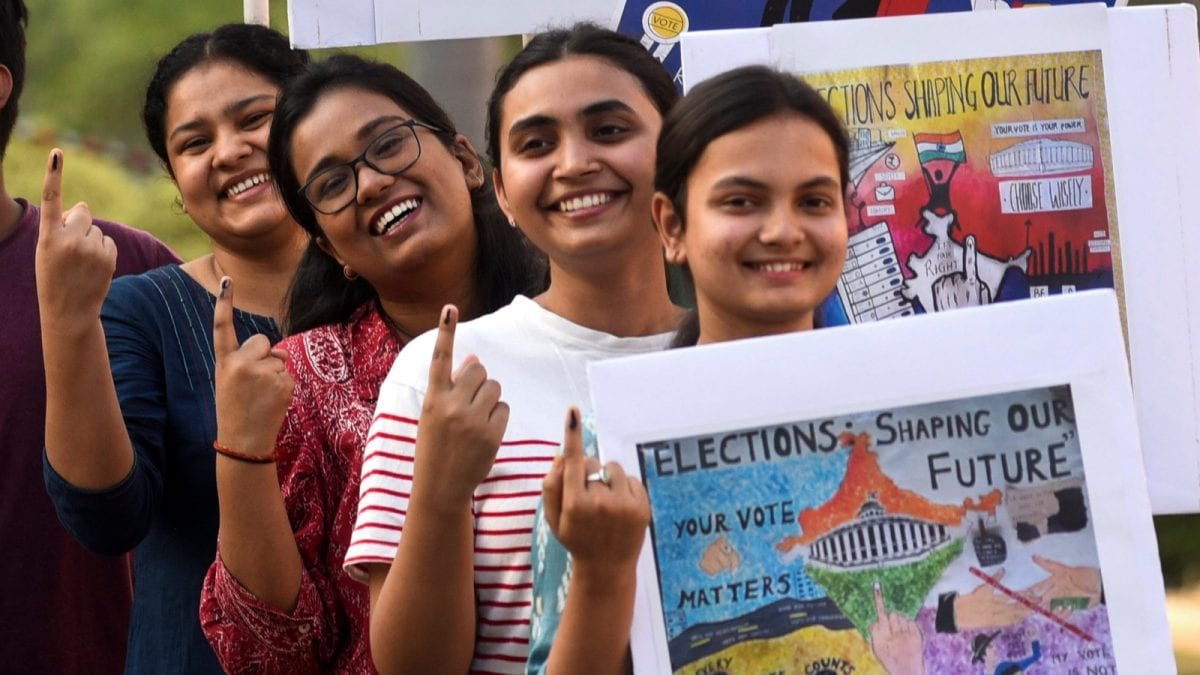
By the time the sun broke through the clouds in the late afternoon, I could see queues snaking outside schools turned into makeshift polling stations, from the bustling lanes of Bongaigaon to the sleepy villages of Upper Assam. Even in places where the weather was harsh – be it the drizzle in Jorhat or the heat in Dibrugarh – people kept standing, often with umbrellas or shawls, just to make sure their name was recorded.
Later, when the results started pouring in, the numbers were jaw‑dropping: an overall turnout of 85.17 percent. That, my friend, was the highest we have seen in the last four assembly elections. It felt like the whole of Assam decided to show up, as if voting had become a family ritual, like gathering for Lakshmi Puja every year.
Districts where enthusiasm hit the roof
Let me tell you about South Salmara‑Mankachar. You know, that tiny district right near the Bangladesh border? It recorded a staggering 95.13 percent turnout. I remember sitting next to a farmer from there, who said he woke up at 4 a.m., took his tea, and walked three kilometres just to cast his vote. He claimed the whole village was there – even the kids were cheering as elders entered the booth. It reminded me of the village fairs during harvest season, only the buzz was about democracy, not mangoes.
On the other end of the spectrum, West Karbi Anglong had the lowest turnout at 74.31 percent. The officials said it was partly because of difficult terrain and some lingering concerns about the weather. I chatted with a local shopkeeper there who admitted he missed the vote because his bus broke down. Still, even his disappointment was tinged with a sense of pride – he said “at least most of us came, bhai”.
Zooming into the constituency level, Sirjangram in Bongaigaon shone brightly with a turnout of 95.49 percent. The name Sirjangram might not ring a bell outside the state, but the scene there was like a festival. The polling station was set up in the school’s cricket ground, and every few minutes a new line of voters formed. I could hear the occasional “Jai Assam” from the crowd as they moved forward.
High‑profile battles that kept us on edge
Jalukbari, the seat of the Chief Minister Himanta Biswa Sarma, recorded a turnout of 81.54 percent. I was there with a friend who works at a tea stall near the constituency office. He said the place was buzzing with supporters of both Himanta Biswa Sarma and his challenger Bidisa Neog of the Congress. Everyone was wearing caps, waving flags, and some even sang campaign songs while serving chai. The atmosphere reminded me of an IPL match where supporters of both teams cheer loudly, except the stakes were about governance.
Then there was Dispur, the state capital’s constituency. It saw a turnout of 74.45 percent, a bit lower than the state average but still impressive considering the heat that day. The fight between Congress candidate Mira Borthakur and BJP’s Prodyut Bordoloi felt like a tactical chess game. I chatted with a college student from the area who told me how he spent the whole night debating politics on WhatsApp groups, then went to the booth early to avoid the crowd.
Jorhat offered a spectacular triangular contest. Gaurav Gogoi from the Congress, Hitendra Nath Goswami from the BJP, and the Aam Aadmi Party’s candidate were all in the fray. The constituency saw a 78.26 percent turnout. The whole city turned into a live commentary hub – you could hear debates on local FM stations, and people gathered at railway platforms to discuss who might win. It reminded me of those family arguments during election night, where everyone has a strong opinion but the love for the state keeps the conversation lively.
Upper Assam’s steady spirit and Lower Assam’s surprise spikes
Upper Assam has always been a strong performer in elections, and 2026 was no exception. Constituencies such as Jorhat, Dibrugarh and Sivasagar displayed consistently high turnout. I visited a polling booth in Dibrugarh that was set up in the back of a tea shop – the smell of Assam tea mingled with the scent of fresh parchment paper for the voter slips. Voters chatted while waiting, discussing everything from local bridge projects to the price of tea leaves. The long queues were not just a sign of enthusiasm; they were also a place for community bonding.
In Lower Assam, some parts surprised everyone with sudden spikes in participation. Areas that usually see moderate numbers were filled with new first‑time voters who had just turned 18. One of them, a young woman from a small village near Nalbari, told me she had been inspired by her father’s stories of the 1971 elections. She said “my dad used to tell me how important our vote is, and today I finally get to do it”. Her eyes sparkled as she held the ballot paper – a pure, heartfelt moment that reminded me why we celebrate democracy.
What made the day so smooth? – Observations from the ground
From talking to the officials, the consensus was that a combination of factors helped push the turnout up. First, the voter‑awareness campaigns that ran for months – you used to see volunteers strolling through villages with banners that said “Apna Vote, Apna Haq”. They even used local folk songs to spread the message. I recall a group of kids in a village near Silchar performing a short skit about the importance of voting, and the whole crowd clapped.
Secondly, the polling infrastructure saw real improvements. In many remote booths, they had installed additional electric generators, better lighting, and even a few portable toilets – a small but significant upgrade from the previous election when people complained about the lack of facilities. I once stood in a line for two hours and was relieved to find a clean, well‑maintained waiting area with fans humming, a welcome change from the sweltering heat of past polls.
And then there was the peace factor. Unlike some past elections where tensions flared, this time the day was largely calm. The police presence was visible but not intimidating; they were more like helpers guiding people to the right queues. I saw a police constable handing a ballot paper to an elderly lady and asking, “Are you comfortable? Do you need any help?” That small gesture made a big difference in making the environment feel welcoming.
Counting day anticipation and what lies ahead
With the polling over, the excitement shifted to counting day, scheduled for early May. Across the state, families are gathering around television sets, sharing samosas and pakoras, ready to see the results. In many households, the younger generation is live‑streaming the counting on their phones, while grandparents sit back, occasionally muttering, “Aaj ka din bahut khaas hai”. This inter‑generational curiosity mirrors the same enthusiasm we saw at the booths.
What does this record turnout mean for Assam’s political landscape? While we can’t predict the exact outcome, the sheer number of people who turned up indicates a strong belief in the democratic process. It’s as if the entire state collectively said, “We care, we’ll be heard”. That sentiment, I feel, will push the elected representatives to listen more closely to the everyday challenges – be it flood management in the Brahmaputra basin, improving road connectivity in the hills, or ensuring the tea garden workers get fair wages.
In my own experience, I’ve seen that when people feel their vote matters, they also become more engaged afterward – joining local forums, attending Gram Panchayat meetings, or even just discussing policies over chai. The 2026 Assam Assembly elections may just be the catalyst for a more participatory civic culture across the state.
Overall, the day of voting in Assam felt like a massive community event – noisy, colorful, a bit chaotic, but undeniably vibrant. The numbers confirm what we all felt on the ground: an 85.17 percent turnout, record highs in districts like South Salmara‑Mankachar, and a peaceful, well‑managed process. As we wait for the final results, the city streets, the tea stalls, and the village squares remain buzzing with anticipation, hope, and a shared belief that democracy truly belongs to the people.