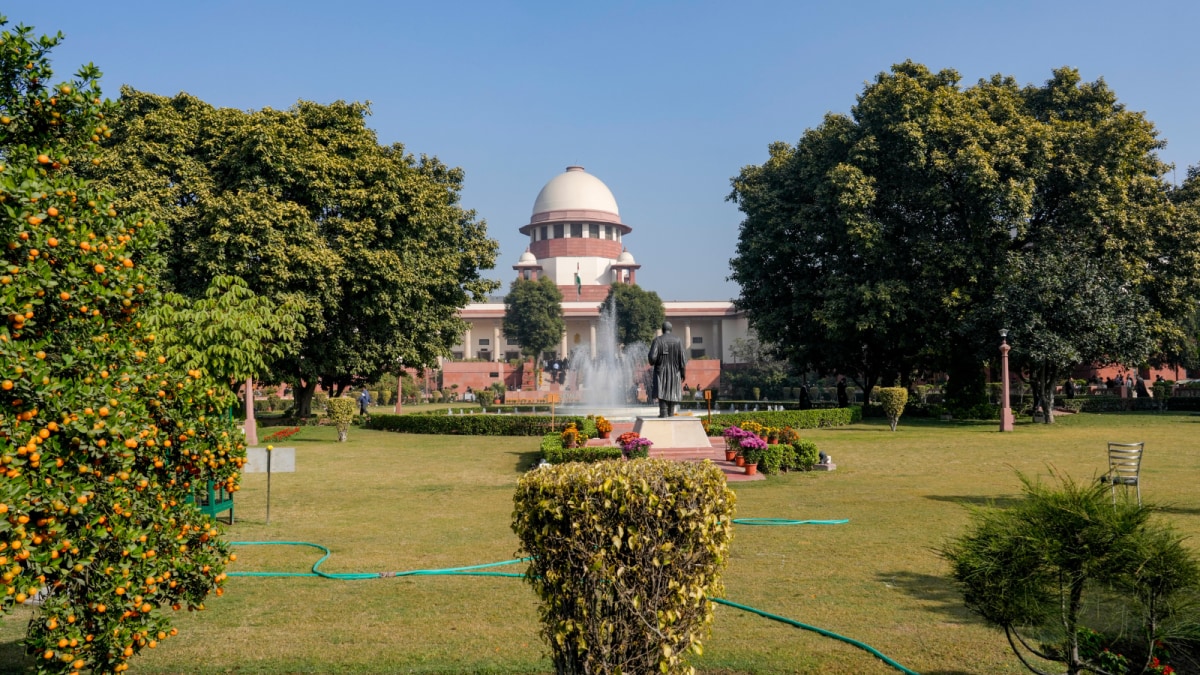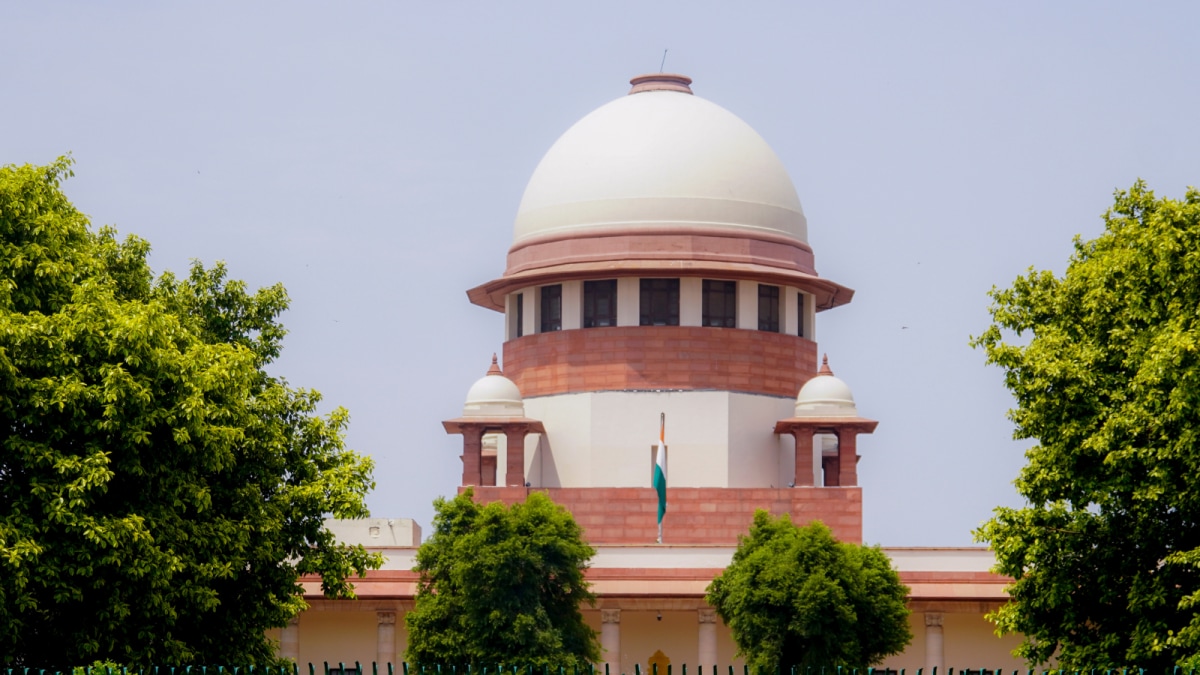
The petition aimed to halt the caste Census and push for single‑child family incentives
Honestly, when I first saw the news about the Supreme Court hearing, I thought, “Aaj phir se koi badi political drama shuru ho raha hai.” The petitioner walked into the courtroom, not through a lawyer, but in person, asking the Court to stop the government’s plan to do a caste‑based Census. Apart from that, the filing also asked the Centre to come up with economic benefits for families that have just one child – something you don’t hear every day in Indian policy debates.
What struck me, and what the Court itself highlighted, was not just the request but the way it was worded. The petition was peppered with language that the bench called “badtameezi ki bhasha.” Basically, the language was harsh, a bit vulgar, and certainly not the tone you expect in a formal legal document.
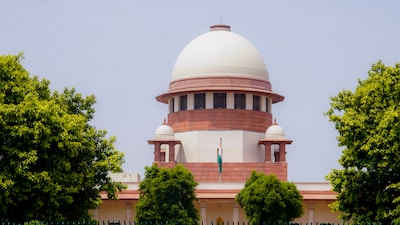
Chief Justice Surya Kant’s sharp rebuke
Chief Justice Surya Kant, who was heading the bench, didn’t hold back. He asked the petitioner, “Aapne apne petition me badtameezi ki bhasha likhi hai. Aapne kisse apna petition likhwaya hai?” In plain English, he was asking, “Why did you use rude language in your petition? Who helped you write it?” It felt a bit like a teacher scolding a student for using slang in an exam answer sheet.
He went a step further, asking, “Aap kahan se aisi bhasha likhte ho petition me?” The Chief Justice’s tone was firm, and you could sense the court’s frustration with the overall decorum of the filing. The other two judges on the bench – Justices Joymalya Bagchi and Vipul M. Pancholi – sat quietly, obviously sharing the same concern about the petition’s style.
For a moment, I imagined the scene: the courtroom buzzing, the police officer in the back keeping the order, and the petitioner looking a little embarrassed after being called out in front of the nation’s highest judges.
What the petition actually asked for
Aside from the colourful language, the substantive demands were two‑fold. First, the petitioner wanted the Supreme Court to direct the Centre to halt the upcoming caste Census. The argument was that collecting caste data could create social tension and might be used for divisive politics.
Second, the filing urged the government to introduce a set of policies that would give economic benefits – think tax breaks or subsidies – to families that decide to have only one child. It was an unusual mix, as most debates about the Census focus solely on the data collection aspects, not on family planning incentives.
When the bench examined these points, it found the plea lacking in both legal standing and practical relevance. The Court simply dismissed the petition as “without merit” and refused to intervene in the government’s Census plans.
Why the Supreme Court chose not to interfere
In most cases, the Supreme Court steps in when there’s a clear violation of constitutional rights or when there’s a serious procedural flaw. Here, the judges noted that the petition did not raise any substantive legal issue that warranted their intervention. The request to stop the Census was, in their view, more of a policy disaGreement than a legal one.
Also, the Court highlighted the importance of maintaining a proper tone in legal documents. “Badtameezi ki bhasha” is not just a petty complaint; it reflects the seriousness with which the judiciary expects petitions to be presented. In my opinion, the judges were also sending a message to future litigants: keep it respectful, keep it factual.
Earlier PILs on the same issue
This isn’t the first time a similar petition has come before the apex court. Back in February, another PIL tried to challenge the same Census plan, focusing on how caste data would be collected, categorised, and verified. That plea was also turned down, with the Court stating that the government’s methodology was sound and that there was no immediate cause for judicial oversight.
Seeing these repeated dismissals makes me think about how often policy debates get taken to the courts, yet the judiciary remains cautious about stepping into the realm of administrative decisions unless there’s a clear violation of law.
About the 2027 Census – a historic first
The upcoming 2027 Census is set to be a landmark exercise. It will be India’s 16th national Census and the first since 1931 to collect detailed caste data. That’s over nine decades without a systematic caste count at the national level.
What’s even more interesting is that the whole operation will be digital. Instead of the old pen‑and‑paper method, enumerators will use tablets and handheld devices to record information. This shift promises faster processing and, hopefully, fewer errors. Imagine a village in Madhya Pradesh where the local “sarpanch” now hands a tablet to each household – it feels futuristic, doesn’t it?
There are, of course, concerns about data security and privacy. Those worries have been voiced both by activists and some political parties. Yet, the government argues that digital data collection will be more accurate and will help in better policy planning.
Implications of the Court’s decision
For the average citizen, the immediate impact may not be visible. However, the judgment does confirm that the Census will go ahead as planned, meaning that future government schemes could be shaped using this new caste data. This could affect everything from reservation policies to welfare schemes.
On the flip side, the Court’s rebuke of the petitioner’s language sets a precedent. Legal practitioners and activists will likely be more careful about how they phrase their complaints. It’s a reminder that respectful discourse matters, especially in formal settings.
From a personal perspective, watching this unfold reminded me of the many times I’ve seen heated debates on social media about the Census. The tone often spirals into aggression, and this case shows that such aggression can backfire when you’re in front of a judge.
Conclusion – a learning moment for all
To sum up, the Supreme Court has dismissed the petition seeking to halt the caste Census and has also called out the petitioner for using “badtameezi” language. The decision reinforces the government's plan to conduct a fully digital, caste‑inclusive Census in 2027. It also serves as a gentle – albeit firm – reminder that while passion is welcome in democratic discourse, it should be coupled with respect and proper legal framing.
Whether you aGree with the Census or not, the real takeaway is that the judiciary expects decorum, and any future challenges will need to be presented in a clearer, more courteous manner. As for the upcoming Census, the nation will be watching closely, hoping that the digital transition brings efficiency without compromising privacy.