What actually happened on the river?
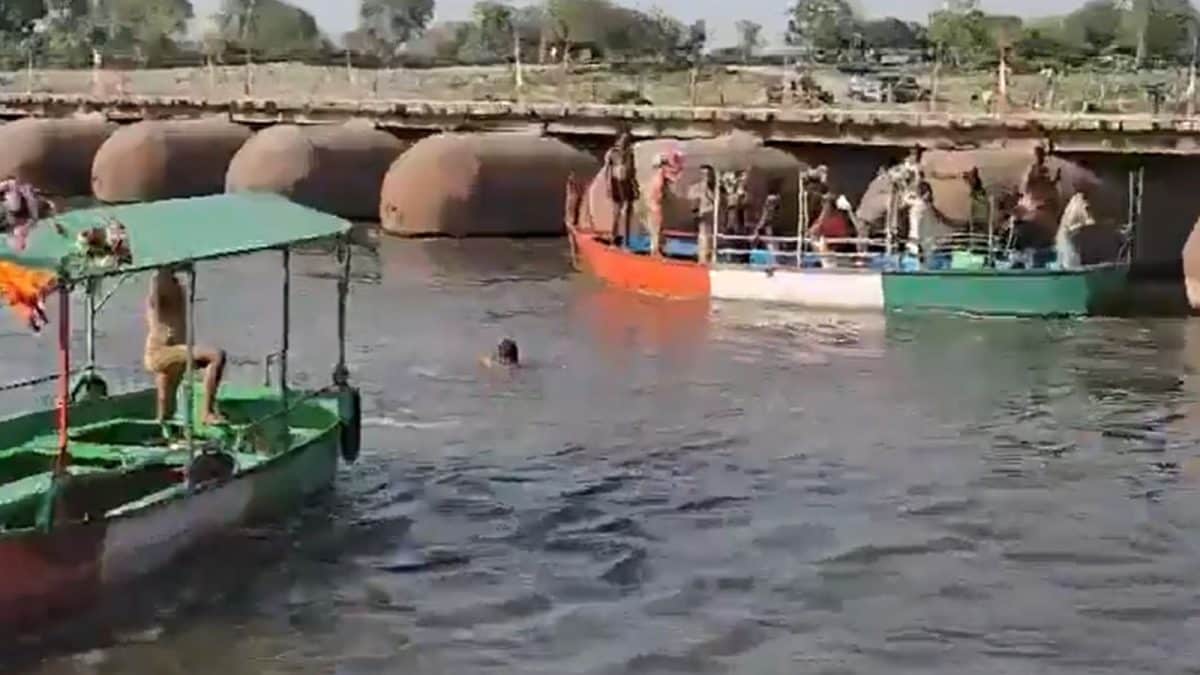
I was sipping my chai this morning when the news broke that a boat carrying tourists had flipped over in the Yamuna near Vrindavan. Apparently, the boat was loaded with more than twenty‑four people – all of them from Punjab – and suddenly it tipped over, throwing everyone into the chilly water.
According to District Magistrate Chandra Prakash Singh, at least six bodies have been recovered. He said that sixteen to seventeen people have been rescued safely so far, but there are still several missing. The total number on board was said to be at least thirty, so you can imagine how frantic the situation became.
Seeing the headlines made me think of those weekend trips my family takes to Mathura and the surrounding ghats. The Yamuna can be beautiful, but it also hides a lot of danger, especially when boats are overloaded.
Rescue teams rush in – a mix of professionals and locals
When the boat capsized, the State Disaster Response Force (SDRF) and the National Disaster Response Force (NDRF) were immediately called in. Alongside these official squads, about fifty local divers jumped into the water, armed with nothing but ropes and a lot of courage.
One local diver, known simply as Gulab, told officials that about fifteen people have already been pulled out. He described the river as “cold and fast‑moving,” explaining that it was a real challenge to keep the divers safe while they searched for the missing.
From what I gathered, the rescue operation is still ongoing. The authorities have set up a makeshift command centre near the banks, where volunteers are handing out blankets and warm drinks to the rescued tourists. Some of the rescued are still shivering, wrapped in towels, while others are already being taken to nearby hospitals for medical checks.
Families back in Punjab left in shock and grief
It’s heartbreaking to think about the families back in Punjab who are now waiting for news about their loved ones. Most of the tourists were part of a group travelling together, probably on a religious pilgrimage to the holy city of Amritsar after visiting the Krishna sites in Mathura.
Friends of the victims have started a WhatsApp group to share updates, send prayers, and support each other emotionally. One of the relatives I spoke to said, “We are still in disbelief. We came here for a peaceful trip, and now we are dealing with this nightmare.” The pain of not knowing whether a loved one is alive or missing is something no one should have to endure.
Prime Minister Narendra Modi’s response
Prime Minister Narendra Modi expressed deep sorrow over the incident. In his statement he said, “Deeply pained by the mishap due to the capsizing of a boat in Mathura, Uttar Pradesh. My condolences to those who have lost their near and dear ones. I pray for the speedy recovery of the injured. The local administration is assisting those affected.”
His words were broadcast on many TV channels and shared widely on social media. Many people responded with messages of support, while others began questioning why such accidents happen so frequently on our rivers.
Why do these accidents keep happening?
Honestly, this isn’t the first time we’ve heard about a boat capsizing in the Yamuna or other rivers in India. Over the years, there have been a number of incidents where overloaded vessels, lack of proper safety gear, and sudden changes in river currents have led to tragedies.
One major issue is that many private operators ignore the passenger limits set by the government. In the case of the Mathura boat, it seemed to be carrying at least thirty people, which is well beyond the safe capacity for a small river craft.
Another problem is the absence of life jackets for every passenger. From what I read, most of the tourists were not wearing any, making it far harder for them to stay afloat. The rescue divers had to pull people out of the water while also trying to keep an eye on their own safety.
Weather plays a role too. Even though it was a clear afternoon, the river can sometimes have hidden currents or sudden gusts that tip a boat over. Some experts suggest installing simple river monitoring systems to alert operators about potential hazards.
Safety measures that could have helped
If I were to list a few things that could have reduced the loss of life, they would be:
- Strict enforcement of passenger limits on all tourist boats.
- Providing a life jacket for every passenger, with a quick check before departure.
- Mandatory training for boat operators on river safety and emergency response.
- Regular inspection of boats for hull integrity and engine performance.
- A clear, visible emergency plan displayed on the boat, so everyone knows what to do if the craft capsizes.
These may sound like simple steps, but in many places they are ignored because operators want to maximise profit. It’s a sad reality that safety often takes a back seat.
Community response and the role of locals
What struck me the most was the quick response of the local divers led by Gulab. It shows the importance of community involvement when disaster strikes. The divers, many of whom are fishermen by profession, know the river like the back of their hands. Their knowledge can be a lifesaver in such emergencies.
Local volunteers have also set up a temporary shelter near the riverbank. They are handing out food, water, and blankets to those rescued. Some of the rescued tourists are staying with families of the divers, who are offering them a place to rest while they recover.
This spirit of solidarity is something we often talk about in India – the “Vasudhaiva Kutumbakam” feeling, meaning the world is one family. In the midst of tragedy, it’s heartening to see people coming together without waiting for instructions from higher authorities.
What the authorities can do now
Beyond the immediate rescue, the district administration headed by District Magistrate Chandra Prakash Singh needs to focus on a few key actions:
- Complete the search for the missing passengers, using both professional teams and trained local volunteers.
- Provide counselling and financial assistance to the families of the victims.
- Launch an inquiry into the boat operator’s licence, safety records, and compliance with regulations.
- Publicise a safety awareness campaign for tourists, especially those travelling from other states like Punjab.
- Coordinate with the state tourism department to enforce stricter guidelines for river‑based activities.
These steps will not bring back those who have already passed, but they can help prevent a repeat of such an incident.
Looking ahead – hope for safer river tourism
While the incident is a tragic reminder of the risks involved in river tourism, I hope it also becomes a catalyst for change. Many of us travel to Mathura every year to see the holy sites, and we often rely on local boat services for short trips across the river.
If the authorities tighten safety norms and enforce them consistently, tourists can continue to enjoy the scenic beauty of the Yamuna without fear. The local economy, which depends on tourism, will also benefit from safer operations, as visitors will feel more confident about travelling.
Until then, if you’re planning a boat ride, make sure the boat isn’t overloaded, ask for life jackets, and maybe even check the weather forecast before you step on board. A little caution can go a long way.