Attending the launch of Vantara University in Jamnagar
When I first heard that Anant Ambani was going to open a new university in Jamnagar, I thought it was another corporate venture. But standing there among the crowd, I realised it was something quite different – the launch of Vantara University, which is being billed as the world’s first integrated global university for wildlife conservation and veterinary sciences.
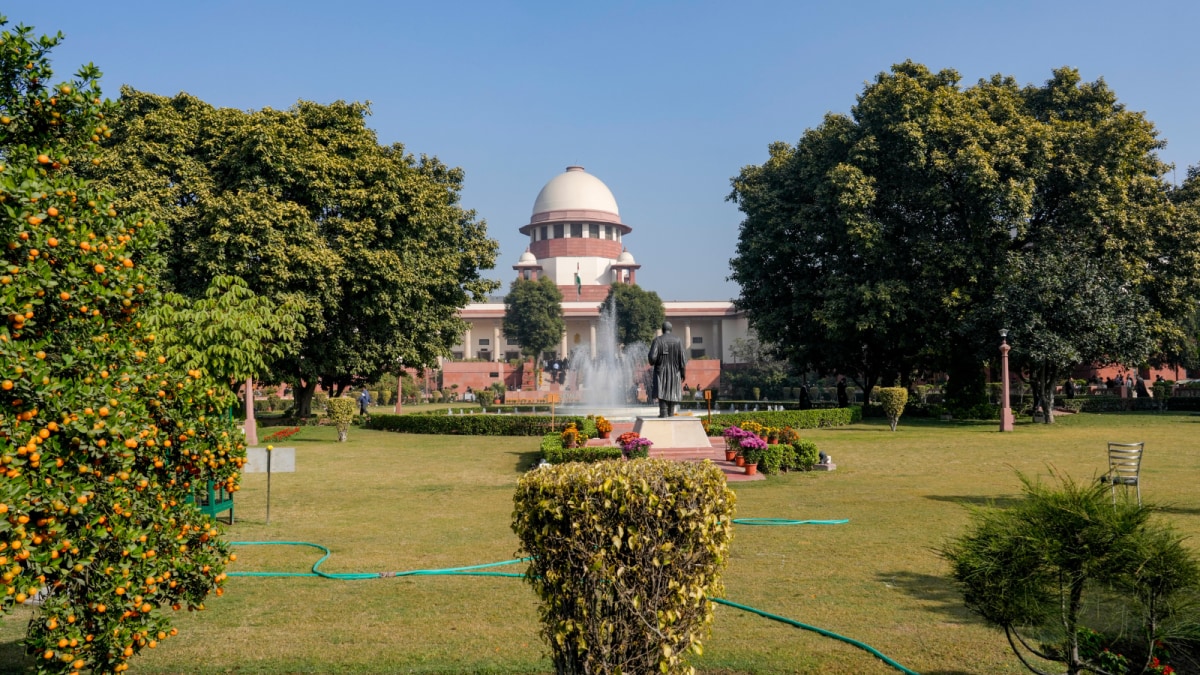
From the moment I stepped onto the campus grounds, the atmosphere felt a blend of old and new. The air was thick with the smell of fresh earth – a reminder that the whole event was rooted in a deep respect for nature. The venue itself was modest but elegant, with a backdrop of the Arabian Sea visible in the distance, something you often see from the streets of Jamnagar during a cool evening.
Vantara University, as the organisers called it, is not just a name on a signboard. It is an institution that promises to shape future leaders in veterinary medicine, wildlife care, and conservation policy. The idea is to use India’s long‑standing knowledge traditions – the same kind that once thrived at ancient Nalanda – to build a purpose‑led and forward‑facing model of education.
Why Vantara University matters – a personal perspective
Honestly, the first time I saw a stray dog limping in my neighbourhood in Surat, I felt helpless. It made me wonder how many wild animals suffer in silence across the country, from the tigers in Madhya Pradesh’s forests to the migratory birds that stop over at the wetlands of Kerala. That personal sense of helplessness is exactly what Anant Ambani talked about when he said his journey began with witnessing animals in distress and realizing we need more capable hands to care for them.
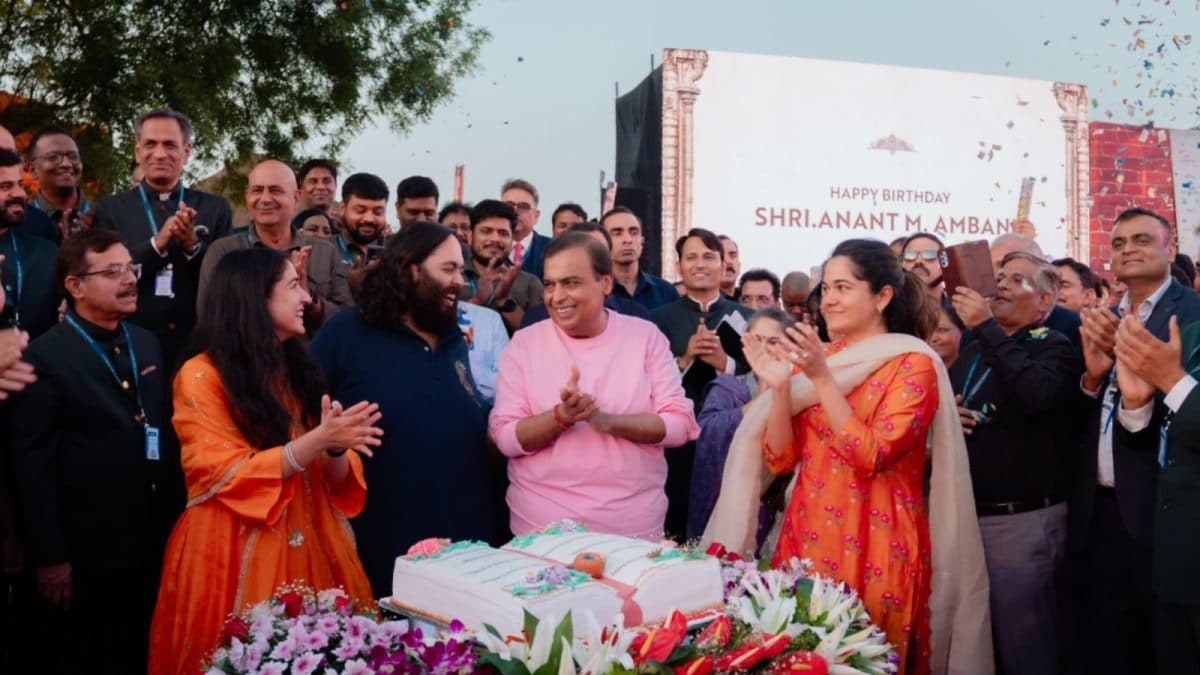
During the ceremony, Anant Ambani spoke about the ancient phrase “Ā no bhadrāḥ kratavo yantu viśvataḥ” – let noble thoughts come to us from all directions. He linked that sentiment to the modern need for a place where compassion, science, and conservation meet. I could see the truth in his words when I looked around at the gathering of scholars, scientists, and even my own school teacher who had spent years teaching biology in a small village school.
What impressed me most was the symbolic use of two Bijoliya sandstones, taken from the Vindhyan formation – the same geological layer linked to ancient Nalanda University in Bihar. Those stones were placed at the foundation venue, reminding everyone that the quest for knowledge has deep roots in Indian soil.
Rituals that tied the university to the land
The launch wasn’t just a ribbon‑cutting; it was a full‑fledged Hindu ritual that involved soil, water and stones from across India. I watched as volunteers brought handfuls of earth from grasslands in Gujarat, forest soil from the Western Ghats, wetland mud from Chilika, and even snow‑melt water from the Himalayas. Each element was carefully placed into a ceremonial pit, symbolising that Vantara University would stand on the foundation of the nation’s natural heritage.
Seeing that, I thought of the many times I have taken my children to the monsoon‑filled fields of Punjab – the same soil that now becomes part of this university’s story. It felt like the entire country was coming together, from the deserts of Rajasthan to the mangroves of Sundarbans, to support a common cause.
The ceremony also gathered many of Anant Ambani’s teachers and mentors – scholars who have guided him through his own academic path. Their presence reinforced the idea that Vantaa University wants to be a place where mentorship is as important as formal coursework.
What Vantara University plans to teach – a quick tour
From the speeches, I gathered that Vantara University will run programmes at every level – undergraduate, postgraduate, fellowship and specialised courses. Some of the subjects listed were wildlife medicine and surgery, nutrition, behavioural sciences, genetics, epidemiology, One Health, conservation policy, and even animal‑care environment design. The university will organise these into distinct colleges that match Vantara’s on‑ground capabilities.
For example, imagine a student from a remote village in Odisha studying “wildlife nutrition” while simultaneously working on a field project in nearby forests. The curriculum promises to blend classroom learning with real‑world conservation practice, something I have rarely seen in Indian higher education.
Another point that stood out was the promise of scholarships for students from socially and economically marginalised backgrounds. In a country where many bright minds drop out because of financial constraints, this could be a game‑changer. I could picture a young girl from a Dalit family in Bihar getting a chance to study genetics and eventually help protect the species that roam the nearby forests.
Infrastructure and collaborations – building the future
Vantara University will be housed on a residential campus with advanced academic and clinical infrastructure. Though the exact details of the buildings were not disclosed, the plan includes state‑of‑the‑art labs, animal hospitals, and research stations. International collaborations were also mentioned, hinting that students might soon get exchange opportunities with institutions abroad.
From my own experience, when I helped organise a school trip to a wildlife sanctuary in Madhya Pradesh, I saw how vital modern facilities are for proper diagnosis and treatment. The same logic applies here – having cutting‑edge labs will allow future veterinarians to handle diseases that affect both domestic animals and wildlife, something that has been a challenge in many parts of India.
The university said it will focus on “action‑oriented research” to improve animal welfare and advance conservation practice. In everyday life, that could translate to projects like developing low‑cost diagnostic kits for foot‑and‑mouth disease in cows, or creating innovative designs for animal enclosures that mimic natural habitats, something we often see missing in zoos.
Connecting classrooms with the wild
One of the most exciting ideas presented was the integration of in‑situ (in the wild) and ex‑situ (captive) conservation. Vantara University wants to link natural habitats with scientific care, meaning students will spend time both in forests and in labs. I imagined a scenario where a student tracks poaching patterns in the Sundarbans and then analyses the data back in a research lab, creating a feedback loop that benefits both conservationists and scientists.
The vision is that future conservationists will be comfortable moving between the classroom, the laboratory, and the forest. This holistic approach is something I have rarely seen in Indian education, where subjects are often siloed.
Moreover, the university plans to build a knowledge repository on wildlife health, animal‑care environment design, and conservation. In practical terms, that could be a digital library accessible to NGOs working in remote areas, offering them the latest research without having to travel to big cities.
Scholarships and founding fellows – making it inclusive
At the ceremony, they announced the “Every Life Matters” scholarships and a group called “Vantara University Founding Fellows”. The scholarships are specifically aimed at students from marginalised sections of society, ensuring that financial hardship does not block anyone’s ambition to work with wildlife.
When I talk to my cousin in a small town in Rajasthan, he dreams of becoming a wildlife veterinarian but worries about the tuition fees. Initiatives like these could turn his dream into reality, and that’s a story worth sharing.
The founding fellows seem to be a cohort of experienced professionals who will help shape the initial curriculum and research agenda. By involving seasoned practitioners from the start, Vantara University hopes to keep its programmes grounded in real‑world challenges.
Why this matters for India’s future
India is home to a huge variety of species – from the great Indian elephant to the elusive snow leopard. Yet, our capacity to study and protect them has often lagged behind. Vantara University, with its focus on both veterinary sciences and wildlife conservation, could fill a critical gap.
In my daily routine, I see the consequences of wildlife‑human conflict – for instance, farmers in Madhya Pradesh losing crops to wild boars, or villagers in the Western Ghats fearing leopards. Professionals trained at Vantara University could help design mitigation strategies that balance human livelihoods with animal protection.
Beyond the immediate benefits, having a world‑class university dedicated to this field could also put India on the global map for wildlife research. International scholars might start collaborating with Indian institutions, leading to joint projects that address trans‑boundary challenges like tiger poaching or avian influenza.
My takeaways and hopes
Walking away from the launch, I felt a mixture of excitement and responsibility. Excitement because the idea of a dedicated campus for wildlife and veterinary science feels like a breakthrough for our country. Responsibility because, as Anant Ambani said, the future of conservation depends on how we prepare our minds and institutions.
I hope Vantara University lives up to its promise – that it truly becomes a place where compassion meets cutting‑edge science, where students from all walks of life can learn to protect every living being. If even a handful of graduates go on to save endangered species, develop better animal‑care facilities, or influence policy, the whole effort will be worth it.
Until then, I’ll keep sharing what I learned with my friends and family, hoping that more people become aware of the need for such institutions. After all, protecting wildlife starts with awareness, and awareness starts with conversations like this.