India’s alarm over civilian casualties in Lebanon
Honestly, when I first saw the news about the fresh strikes in Lebanon, I felt a knot in my stomach. The reports said over two‑hundred and fifty lives were lost, and a lot of them were ordinary civilians – families, shop owners, kids just trying to get by. It’s the kind of thing that stays with you, you know?
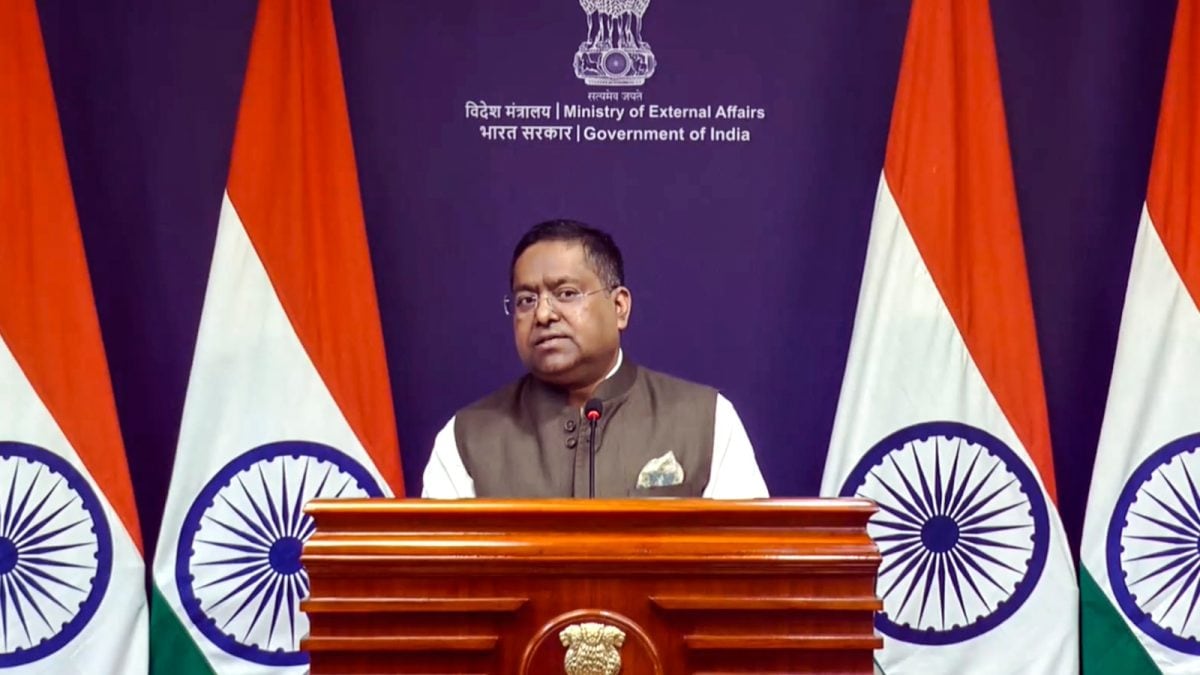
On a Friday, the Ministry of External Affairs, through its spokesperson Randhir Jaiswal, said the situation was "very disturbing". He told reporters that India is "deeply concerned" by the large number of civilian casualties being reported from Lebanon. It wasn’t just a diplomatic line; you could hear the weight behind his words.
What struck me most was the emphasis on the human cost. In most cases, the statements from governments stay vague, but here Randhir Jaiswal specifically mentioned the civilians – the people who are not combatants, who just want peace. He reminded everyone that India, as a troop‑contributing country to the United Nations Interim Force in Lebanon (UNIFIL), has a direct stake in the stability of the region.
He added, “As a troop‑contributing country to UNIFIL that is invested in Lebanon’s peace and security, the direction of events is very disturbing.” That line made me think of the Indian soldiers serving in UNIFIL – they’re out there in the field, sharing the same concerns about civilian safety that the spokesperson voiced from Delhi.
Keeping Indian nationals safe
Now, you might wonder how this ties to Indians living in or travelling through Lebanon. The government assured that its embassy in Beirut is staying in close touch with the Indian community there. In everyday language, that means the embassy is constantly checking up on families, students, business folks – anyone who might be caught up in the crossfire.
Randhir Jaiswal said, “Our Embassy in Lebanon remains in close touch with the Indian community for its safety and security.” It’s the kind of reassurance that feels personal, almost like a neighbour looking out for you when there’s a storm brewing outside.
Even though the situation is tense, the Indian diplomatic mission tries to keep the lines of communication open, offering help wherever it can – whether that’s guidance on safe routes, emergency contacts, or even assistance with travel documents if someone decides to leave the country.
India’s role in UNIFIL and why it matters
UNIFIL, the United Nations Interim Force in Lebanon, has been on the ground for decades. India’s contribution of troops is a testament to our commitment to peacekeeping. Those soldiers are not just a statistic; they are neighbours to the local population, sharing tea, helping with community projects, and sometimes even mediating disputes.
When Randhir Jaiswal highlighted India’s role in UNIFIL, he was reminding everyone that our involvement isn’t just about diplomatic statements. It’s about boots on the ground, about Indian soldiers walking the same streets where families are grieving. Their presence is meant to deter further escalation and protect civilians, which is why the recent surge in casualties hits so close to home for us.
In my own experience, I’ve met Indian peacekeepers during a trip to a UN mission in Africa. Their humility and dedication left a lasting impression on me. The same spirit, I believe, is what India brings to Lebanon.
Shifting focus: Energy diplomacy in the Gulf
While the situation in Lebanon was unfolding, another part of the briefing took a different turn – India’s energy diplomacy. Randhir Jaiswal mentioned that India is stepping up its engagement with Gulf nations to secure its energy needs, and that’s something we all watch closely, given how much of our electricity and fuel comes from that region.
“We are closely following developments in West Asia. We continue to reach out to countries in the Gulf region,” he said. Basically, the Ministry is juggling two concerns at once – humanitarian and strategic – which is no easy balancing act.
He also noted that the Prime Minister has directed ministers to travel to Gulf countries for this purpose. The focus isn’t just on buying oil; it’s about building lasting partnerships that can weather any geopolitical storm.
High‑level visits to the UAE and Mauritius
One of the concrete steps mentioned was the upcoming visit of External Affairs Minister S Jaishankar to the United Arab Emirates. The plan is to hold discussions with UAE leaders to strengthen ties. It’s not just a quick hand‑shake – they’ll be talking about energy contracts, mutual investments, and possibly even joint projects in renewable energy.
Just as interesting was the update on Mauritius. India is finalising a government‑to‑government aGreement for the supply of oil and gas there. The idea is to help Mauritius secure its own energy needs while also opening another market for Indian energy firms.
When I think of Mauritius, I picture the beautiful beaches and the vibrant Creole culture. It’s a far‑flung island, but it shares a lot with India – a love for spices, a history of trade, and increasingly, a reliance on each other for energy security.
Support to neighbouring countries: Sri Lanka case
India’s energy outreach isn’t limited to the Gulf. In the past couple of weeks, the government supplied 38 metric tonnes of petroleum products to Sri Lanka. That move was described as “support to our neighbouring country at their request.” It’s a small gesture compared to the massive imports India makes, but for an island nation grappling with fuel shortages, it’s a lifeline.
Having lived in Colombo for a few months during my college years, I remember the smell of diesel in the air during power cuts. A supply of petroleum, even in limited amounts, makes a huge difference for the ordinary folks who rely on generators to keep their businesses running.
These gestures also underscore India’s broader role as a regional stabiliser – not just a consumer of resources, but a provider when needed.
Qatar engagement and the promise of reliable supply
Last but not least, the briefing touched upon Qatar. India’s Minister of Petroleum is currently in Qatar, discussing future cooperation. Qatar, being one of the world’s leading natural gas exporters, is a crucial partner for India’s energy basket.
According to Randhir Jaiswal, the Qatar Energy Minister reaffirmed that Qatar will remain a reliable supplier for India. The language used was simple but powerful – “commitment to remain a reliable energy supplier.” In most cases, such statements translate into long‑term contracts, price reviews, and joint ventures in LNG projects.
Whenever I travel back home from the Gulf, I notice the growing number of Indian-owned businesses in Doha and Al Khor. The flow of people, ideas, and resources between the two countries feels natural, like two neighbours sharing a garden.
Putting it all together: A balanced approach
So, what does all of this mean in plain language? India is trying to walk a tightrope. On one side, it’s voicing genuine concern for civilians caught in the crossfire in Lebanon, emphasizing humanitarian values and reminding the world that war doesn’t just affect the combatants.
On the other side, it’s actively securing its own energy future by deepening ties with Gulf states, providing help to neighbours like Sri Lanka and Mauritius, and ensuring that Indian troops serving in UNIFIL can continue their mission safely.
It’s a strategy that blends empathy with pragmatism. The country acknowledges that energy security and humanitarian concerns are intertwined – instability in one part of West Asia can ripple through oil markets, which in turn can affect the daily lives of people back home.
In my view, that’s the real story behind the official statements – a blend of heart and head, trying to keep India’s own people safe while also playing a responsible role on the global stage.