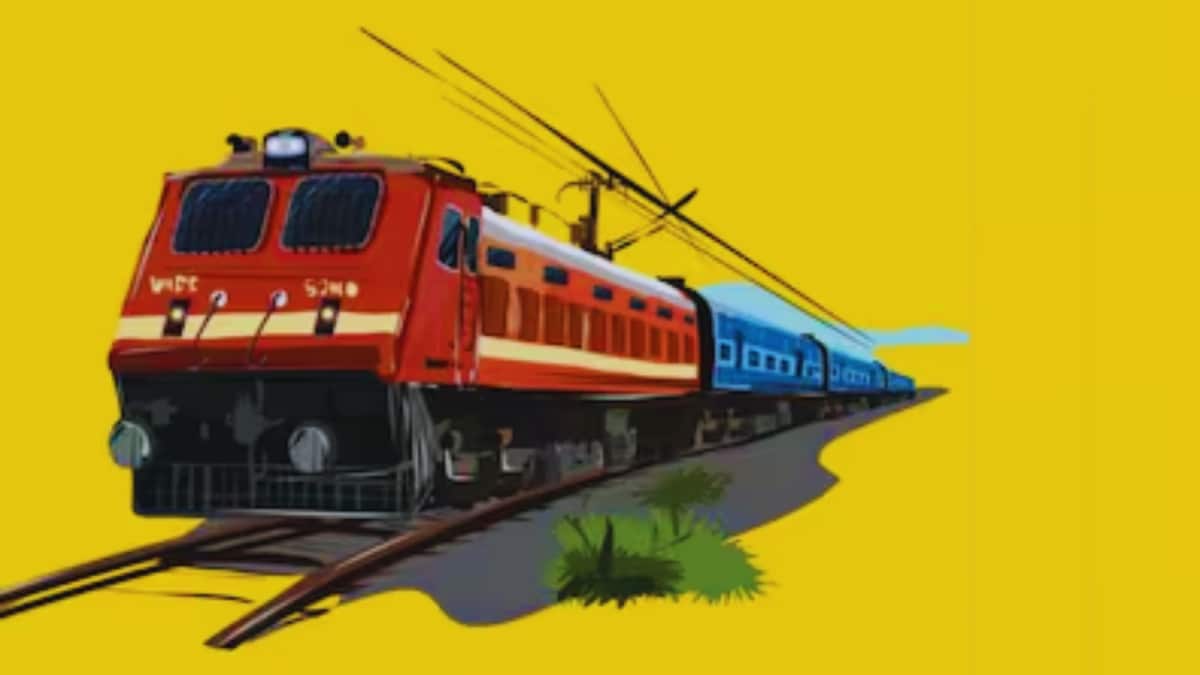
Let me tell you, when I first hopped onto a Vande Bharat Express for a weekend trip from Delhi to Amritsar, I felt like I was riding a bullet train. The sleek design, the rapid acceleration – it was a glimpse of what Indian Railways could become. But you know how we Indians love to keep pushing the envelope? So when I heard that Indian Railways has given the thumbs‑up to two brand‑new trainsets that can hit a design speed of 220 km per hour, I couldn't help but smile. It feels like the railways are saying, "We can go even faster, and we will."
Now, Indian Railways is not just dreaming; the Railway Board has actually signed off on the production of these two trainsets. The plan is to build them at the Integral Coach Factory in Chennai, a place I have visited a couple of times while on a school trip. The factory, with its massive halls and humming machines, will soon be churning out 16‑coach sets that match India's broad‑gauge network. It's a big step forward, especially because the design speed of 220 km/h means we can potentially cover distances that used to take a whole day in a fraction of that time.
Two 220 km/h Trainsets Get the Green Light
According to a report in India Today, the proposal for these high‑speed trainsets was approved under the Coach Production Programme for the fiscal year 2027‑28. The Railway Board gave explicit instructions to the Integral Coach Factory to start the execution. That means we are not just talking about a paper plan; the wheels are already turning – quite literally.
Each of these trainsets will consist of 16 coaches, all built on broad‑gauge tracks which are the backbone of Indian Railways. The fact that Indian Railways is sticking to the familiar gauge makes integration smoother, because we won't need to redesign the entire network. It also means that the new trains can run on existing routes after a few upgrades, rather than needing completely new tracks.
When I think about 16 coaches, I picture a long, sleek snake gliding over the rails, each carriage filled with commuters, families, and tourists, all enjoying a ride that feels a little bit like a flight. For many of us who travel by train for work or leisure, the promise of an added two‑hour shave on a 500‑kilometre journey is nothing short of thrilling.
A Step Ahead of Vande Bharat Express
Right now, Vande Bharat Express holds the crown as the fastest train in India, with a design speed of 180 km/h. It’s impressive, but the new trainsets aim to outdo that. The official design speed for the new sets is 220 km/h, and they are expected to operate comfortably at up to 200 km/h on suitable tracks.
- Design speed: 220 km/h
- Operational speed: Up to 200 km/h
This jump is not just a number on paper. It brings Indian Railways closer to the semi‑high‑speed standards we see in countries like China, Japan and some European nations. The difference might sound small – 40 km/h more – but when you multiply that by the length of a long journey, the time saved adds up nicely.
During a recent ride on the Vande Bharat, I noticed that the train occasionally had to throttle back because of track conditions. Imagine how much smoother the ride could be if the tracks were upgraded to handle the new trainsets' higher speeds. That’s exactly the kind of synergy Indian Railways is hoping for – better trains, better tracks, better overall experience.
Make in India Boost Through New Contract
Work on this project started back in October 2024 when the Integral Coach Factory awarded a contract to BEML for the design and production of the two high‑speed trainsets. BEML, a name many of us associate with heavy engineering and defence equipment, is now stepping into the rail‑speed arena.
Initially, each train will be built with 8 coaches, and then later extended to the full 16‑coach configuration. The financials are also quite transparent: each coach is priced at Rs 27.86 crore, bringing the total contract value to Rs 866.87 crore. That’s a hefty sum, but it includes not just the coaches themselves but also development expenses, specialised tooling and a testing infrastructure that will benefit future high‑speed projects.
- Rs 27.86 crore per coach
- Total contract value: Rs 866.87 crore
For me, those numbers also reflect the bigger picture of the "Make in India" agenda. By having BEML and the Integral Coach Factory collaborate, we are keeping the technology, the jobs and the expertise right here at home. It’s a win‑win – the country gets modern trains, and Indian engineers get to hone their skills on world‑class projects.
Modern Design and Passenger Comfort
One of the things I’m most excited about is the passenger experience. The new trainsets will sport steel‑bodied coaches, which promise better durability and lower maintenance compared to the aluminium bodies we see on some older models. The interiors will be fully air‑conditioned chair‑car configurations – perfect for those scorching summer days when we all crave that cool breeze.
But the comfort doesn’t stop there. The seats will be reclining, allowing passengers to stretch their legs a bit more on longer trips. And there will be advanced onboard passenger systems – think of real‑time train information displays, Wi‑Fi connectivity, charging points for mobiles and laptops, and perhaps even infotainment screens. It's almost like traveling in a luxurious bus, but moving at railway speeds.
- Steel‑bodied coaches for enhanced durability
- Fully air‑conditioned Chair Car configuration
- Reclining seats for improved comfort
- Advanced onboard passenger systems
During a monsoon journey last year, the air‑conditioned coaches of a premium train felt like a moving sanctuary. I can imagine those same comforts amplified on a train that’s also faster – it would feel like being in a moving lounge, gliding over the tracks.
Part of a Larger Rail Modernisation Drive
The introduction of these 220 km/h trainsets is not an isolated event. It fits neatly into Indian Railways' broader push to modernise the entire network. Right now, most of our trains operate at a maximum of 160 km/h, limited mainly by track conditions and signalling systems. We don’t yet have any regular commercial services that consistently exceed 200 km/h.
However, with these new trainsets being built alongside dedicated high‑speed testing infrastructure, Indian Railways is laying the groundwork for a future where 200 km/h+ services become the norm rather than the exception. The testing tracks being set up will help iron out any kinks – literally – before the trains hit the main lines.
From a personal perspective, I remember waiting at a small station in Uttar Pradesh for a train that was delayed because of track maintenance. If the tracks were upgraded to handle higher speeds, delays like those could become rarer, and journeys would be more predictable.
All these efforts – new coaches, upgraded tracks, modern signalling – are part of a vision to make rail travel in India as convenient and fast as air travel, but at a fraction of the cost. It’s an ambitious goal, but the steps being taken right now, like approving these 220 km/h trainsets, show that Indian Railways is serious about turning that vision into reality.
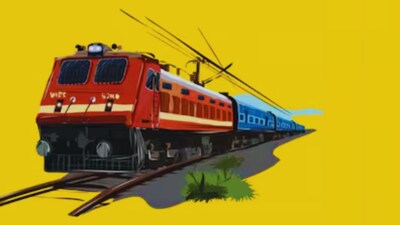
All in all, the news about Indian Railways approving two 220 km/h trainsets feels like a personal invitation to a faster, more comfortable future. As someone who has spent countless hours on crowded platforms, endured long journeys on slow‑moving trains, and admired the sleek lines of the Vande Bharat Express, I welcome this development wholeheartedly. It’s not just about speed; it’s about a better travel experience for every Indian – from the office‑goer in Mumbai to the student heading to a university in the south.
So, the next time you hear about a new train humming down the tracks at 200 km/h, remember that behind that number lies a whole ecosystem of engineers, factories, and policymakers, all working together to make our rides smoother, quicker, and a little bit more enjoyable. And who knows? Maybe soon we’ll be bragging to friends about catching a 220 km/h train that took us from Chennai to Hyderabad in under three hours – a real game‑changer for both business and leisure trips.