Beyond Greens: Fiber‑Rich Foods You’ll Enjoy
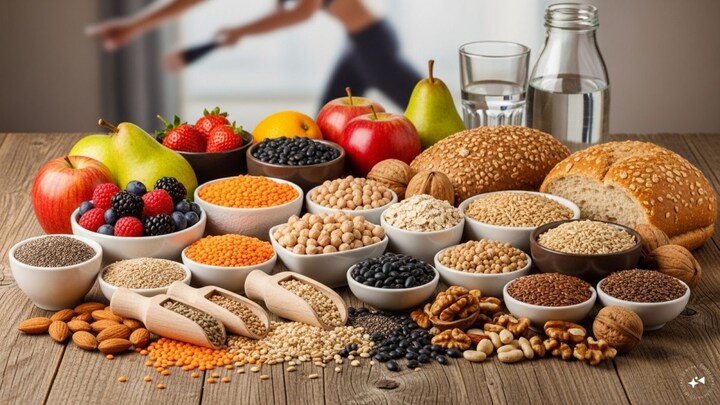
These non‑veggie fibre sources improve digestion, support heart health, regulate blood sugar, and make healthy eating more enjoyable.
Fiber, the indigestible plant component that travels through the digestive tract, plays a pivotal role in maintaining overall wellness. While many people associate fiber with leafy Greens, a wide variety of non‑vegetable sources deliver comparable, and sometimes superior, fiber quantities. Incorporating these foods into daily meals can enhance digestive comfort, foster a healthier cardiovascular system, and help keep blood‑sugar levels in a balanced range. The following sections explore each of the key non‑veggie fiber sources, outlining how they contribute to a more satisfying and health‑supportive diet.
Lentils: A Legume Powerhouse
Lentils stand out as one of the most fiber‑dense legumes available. A modest portion of lentils typically supplies a significant portion of the daily fiber recommendation. The soluble fiber found in lentils forms a gel‑like substance in the gut, which can slow the absorption of sugars and help modulate blood‑sugar spikes after meals. Additionally, the insoluble fiber in lentils adds bulk to stool, promoting regular bowel movements and supporting overall digestive health. Regular consumption of lentils has also been linked to maintaining healthy cholesterol levels, a factor that contributes to heart health. Whether prepared as a hearty soup, a vibrant salad, or a savory stew, lentils provide a versatile, plant‑based way to increase fiber intake without relying on traditional vegetables.
Oats: Whole‑Grain Excellence
Oats are celebrated for their unique blend of soluble and insoluble fiber. The soluble component, known as beta‑glucan, is especially effective at forming a viscous layer in the digestive tract. This layer works to slow carbohydrate digestion, thereby assisting in the regulation of blood‑sugar levels throughout the day. At the same time, the insoluble fiber in oats contributes to stool bulk, supporting smooth and regular bowel movements. Beyond digestion, beta‑glucan has been shown to aid in lowering low‑density lipoprotein (LDL) cholesterol, a key marker for heart disease risk. Oats can be enjoyed as hot porridge, overnight oats, or incorporated into baked goods such as muffins and granola bars, making them an accessible method for boosting daily fiber consumption.
Nuts and Seeds: Crunchy Fibre Boost
Nuts and seeds deliver a concentrated dose of fiber alongside healthy fats and protein, creating a satiating snack that also supports cardiovascular function. Almonds, walnuts, chia seeds, and flaxseeds are among the most commonly cited examples. The fiber in nuts and seeds adds bulk to the digestive system, helping to maintain consistent bowel regularity. Moreover, the combination of fiber with unsaturated fats can assist in moderating post‑meal blood‑sugar responses, as the slower digestion of fats and fiber together reduces rapid glucose influx. The heart‑health benefits are further reinforced by the presence of omega‑3 fatty acids in certain seeds, which have been associated with favorable cholesterol profiles. Incorporating a modest handful of nuts or a spoonful of seeds into meals—whether sprinkled over yogurt, mixed into salads, or blended into smoothies—offers an easy way to reap the fiber benefits without relying on vegetables.
Fruits: Natural Sweetness with Fibre
Fruits, with their naturally occurring sugars and vibrant flavors, also provide an important source of dietary fiber. Apples, pears, berries, and citrus fruits are especially notable for their high fiber content. The soluble fiber present in many fruits, particularly pectin, can help to decelerate sugar absorption, thus tempering blood‑sugar spikes after consumption. Meanwhile, the insoluble fiber in fruit skins and pulp adds bulk, supporting regular intestinal transit. The combination of fiber and natural fruit sugars creates a balanced nutritional profile that satisfies sweet cravings while still offering digestive and cardiovascular advantages. Eating whole fruit, rather than juicing, ensures that the full fiber matrix remains intact, maximizing the health benefits. Incorporating a variety of fruits into snacks or desserts can elevate fiber intake and contribute to a more enjoyable eating experience.
Popcorn: Unexpected Whole‑Grain Snack
Popcorn, when prepared without excessive butter, salt, or sugary coatings, stands out as a whole‑grain snack that delivers a respectable amount of fiber per serving. The hull of each popped kernel is rich in insoluble fiber, which adds bulk to stool and assists in maintaining regular bowel movements. Because popcorn expands during the popping process, a relatively small volume can provide a satisfying portion that fills the stomach, supporting satiety and potentially aiding in weight management—a factor that indirectly benefits heart health. Moreover, the fiber in popcorn can help to moderate the rate at which carbohydrates are digested, contributing to steadier blood‑sugar levels throughout the day. Simple seasoning with herbs, spices, or a light drizzle of oil can transform popcorn into a flavorful, fiber‑rich addition to any snack repertoire.
Putting It All Together: A Balanced Approach to Fiber
Creating a diet that emphasizes non‑veggie fiber sources does not require abandoning vegetables; rather, it expands the toolkit of options for individuals seeking variety and flavor. By rotating lentils, oats, nuts, seeds, fruits, and popcorn throughout the week, one can achieve a well‑rounded intake of both soluble and insoluble fiber. This balanced approach supports digestive regularity, helps maintain healthy cholesterol levels, and promotes more stable blood‑sugar responses after meals. Additionally, the inclusion of these foods introduces a range of textures—from the creamy consistency of lentil soup to the crisp snap of a fresh apple—making healthy eating both enjoyable and nutritionally robust.
Practical tips for incorporating these fiber sources include preparing a lentil‑based salad for lunch, starting the day with a bowl of oatmeal topped with berries and a sprinkle of chia seeds, enjoying a handful of almonds as an afternoon snack, and treating popcorn as a light evening bite. By planning meals that feature at least two of the highlighted foods each day, individuals can comfortably meet fiber recommendations while savoring diverse flavors.
top videos
Swipe Left For Next Video