Sleep Divorce: How Sleeping Apart Can Strengthen a Marriage, According to Experts
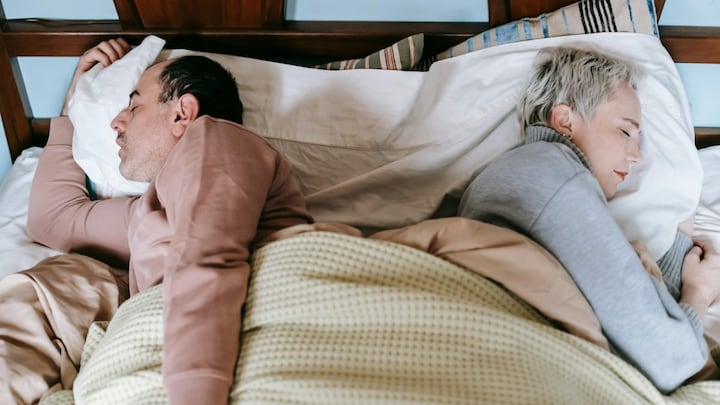
Couples who make the choice of sleeping separately frequently report that it saves their relationship rather than strains it.
The Social Stigma Around Separate Beds
In many parts of Indian society, the notion of a married pair occupying different rooms has traditionally been interpreted as a sign of trouble, emotional distance, or incompatibility. This perception has persisted for generations, creating a whispered narrative that an arrangement of separate sleeping spaces equals a marriage in decline. Yet, as scientific understanding of sleep deepens and couples become more transparent about their nightly challenges, a new storyline is taking shape. The shift suggests that sleeping apart is not a symptom of drifting away; rather, it can be a proactive step toward achieving the quality rest both partners desperately need.
The Reality Behind Closed Doors
"We are seeing a significant shift in how couples approach sleep," states Shalini Tandon, CBO of World of Sleep. "India now leads globally in what is being called ‘sleep divorce,’ with 78 % of couples choosing to sleep separately, higher than China or South Korea. This isn’t driven by conflict. It’s driven by biology, schedules, and the simple fact that two people in one bed often mean neither sleeps well."
The data supporting this observation is robust. Approximately four in ten couples admit that their partner’s habits disturb their own sleep on a regular basis. While snoring emerges as the most frequently cited complaint, other disruptions such as mismatched sleep‑wake cycles, divergent temperature preferences, and restless movement also contribute substantially to nightly unrest. For many women, the strain is intensified by nighttime caregiving duties—whether tending to a crying infant, assisting an ageing parent, or wrestling with a mental load that refuses to disengage when the lights are dimmed.
Dr Sanjeev Mehta, pulmonologist and snoring‑and‑sleep specialist with World of Sleep, encounters these patterns daily in his clinical practice. "Sleep disruption isn’t just an inconvenience; it has real health consequences. Chronic sleep deprivation weakens immunity, increases cardiovascular risk, and contributes to mood disorders like anxiety and depression. When one partner snores loudly or suffers from sleep apnoea, the other partner’s health suffers too. I have had patients come in complaining of fatigue, only to discover the root cause is their partner’s undiagnosed sleep disorder," explains Dr Sanjeev Mehta.
Redefining Intimacy Through Rest
The phrase “sleep divorce” may sound severe, yet the practice often yields the opposite of separation. Couples who deliberately choose separate sleeping arrangements frequently report that the decision preserves the bond rather than stretches it thin. Research indicates that sleeping apart can add up to thirty‑seven minutes of uninterrupted sleep per night for each partner. This additional rest translates into lower irritability, heightened patience, and greater emotional availability during waking hours.
"Sleep is restorative not just physically but emotionally," comments Dr Sanjeev Mehta. "When you are exhausted, everything feels harder. Small disaGreements escalate. Patience wears thin. I tell couples that prioritising good sleep isn’t selfish. Exploring sleep solutions that support both partners is an investment in the long‑term health of the relationship."
Shalini Tandon adds, "We are moving away from the idea that love means doing everything together, including sleeping poorly. The market is responding too. Couples are now looking for two customised sleeping setups in one shared mattress, such as built‑in dual firmness levels, temperature regulation, and ergonomic support, to accommodate individual needs. Options like split or half‑and‑half mattresses for different sleep movements, along with accessories to address snoring concerns like nasal strips, are becoming more common. Bedroom design is shifting from ‘one solution fits all’ to ‘two people, two sleep environments, one happy home.’"
Maturity Over Tradition
Cultural attitudes evolve slowly, yet the conversation about separate sleeping spaces is gathering momentum. Opting for solutions that safeguard the health of a partnership signals self‑awareness and a willingness to prioritize long‑term wellbeing over outdated expectations. Dr Sanjeev Mehta sums up the perspective succinctly: "If one person snores and the other tosses and turns all night, both suffer. Addressing that doesn’t mean you love each other less. It means you are mature enough to recognise that rest matters and that sometimes, the best thing you can do for your relationship is let each other sleep."
In this light, the healthiest relationships may not be those that cling to proximity at any cost. Instead, they are the unions that recognize that genuine intimacy does not hinge on sharing a single pillow. True intimacy involves respecting each other’s physiological needs, even when those needs manifest as separate sleeping arrangements.
Broader Implications for Health and Society
The rise of sleep divorce carries implications beyond the bedroom. By reducing nightly stressors, couples experience fewer instances of daytime fatigue, which can improve workplace productivity and lower the incidence of accident‑related injuries. Moreover, better sleep quality contributes to more stable emotional regulation, fostering healthier communication patterns within families.
From a public‑health standpoint, encouraging couples to seek sleep‑friendly solutions aligns with preventive strategies aimed at curbing chronic disease. When partners collectively address snoring, sleep apnoea, or other disruptions, the likelihood of early diagnosis increases, allowing interventions that can mitigate long‑term cardiovascular and metabolic complications.
Practical Steps for Couples Considering Separate Beds
For couples contemplating a transition to separate sleeping spaces, experts suggest a systematic approach:
- Identify Specific Disruptors: Pinpoint whether snoring, temperature preferences, differing bedtimes, or movement patterns are the primary sources of disturbance.
- Consult Professionals: Engage with sleep specialists such as Dr Sanjeev Mehta to rule out underlying sleep disorders that may require medical treatment.
- Explore Mattress Technologies: Look for products that offer dual‑zone firmness, independent temperature controls, or modular designs that can be adjusted to each partner’s comfort profile.
- Consider Bedroom Layout: Arrange furniture to maintain visual connectivity while preserving separate sleep zones; lighting, sound‑masking devices, and privacy screens can enhance the sense of shared space.
- Address Emotional Concerns: Communicate openly about the decision, reinforcing that the move is intended to support mutual well‑being rather than signal a lack of love.
Following such steps can turn a potentially delicate transition into a collaborative project that strengthens the partnership.
Future Outlook
As awareness spreads, industries related to bedding, sleep technology, and wellness are expected to innovate further. Market analysis from World of Sleep indicates an accelerating demand for personalised sleep solutions, with manufacturers investing in research that blends ergonomics, material science, and smart‑home integration. This trend suggests that the concept of sleep divorce will gradually shed any lingering negative connotations and become recognised as a standard element of modern marital health.
In the coming years, the narrative may shift entirely—from viewing separate beds as a sign of marital strain to celebrating them as a hallmark of relationship maturity. By anchoring the conversation in scientific evidence and genuine personal experience, couples can make informed choices that align with both health goals and emotional intimacy.