Why Summer Fragrances Don’t Last Long In Indian Heat: Tips To Extend Their Life
Placement and application method influence perfume longevity during hot and humid summer months
When the mercury rises and humidity climbs, many people notice that a perfume that seemed to linger from dawn to dusk in winter now fades within a few hours. In a region where the climate shifts dramatically between seasons, the approach to scent must adapt just as clothing does. What works effortlessly when the air is cool can feel either overpowering or fleeting when the sun beats down, prompting a reassessment of both the fragrance selected and the technique employed to wear it.
The science behind faster evaporation
Fragrance molecules are not static; they interact continuously with the skin, and the rate of this interaction is heavily influenced by temperature. Higher temperatures increase the kinetic energy of volatile compounds, causing the lighter, top‑note ingredients to evaporate at an accelerated pace. Manish Gupta, CEO, Fragrances and Accessories Division, Titan Company Limited, explains, "Higher temperatures cause the lighter elements of a fragrance to evaporate much faster, which is why something that lasts all day in winter can feel noticeably short‑lived in the heat. Add to that perspiration, and things get a little more unpredictable. Sweat can dilute the scent and even alter how it develops, making it feel less consistent through the day." This statement encapsulates two fundamental reasons for the rapid loss of scent: temperature‑driven volatility and the diluting effect of sweat.
Because evaporation is a physical process, the composition of a perfume directly determines how it behaves under heat. Ingredients such as citrus oils, which are prized for their bright opening, are inherently volatile. In warm conditions these oils dissipate quickly, leaving only the heart and base notes to linger, if they are present in sufficient concentration.
Conversely, deeper, heavier ingredients—often referred to as base notes—such as woods, amber, or certain musks, possess lower volatility and therefore remain detectable for a longer period even when temperatures rise. This explains why a fragrance that is built around a robust base tends to survive the summer heat better than one that relies primarily on fleeting top notes.
Season‑appropriate fragrance families
Not all fragrance families are created equal when it comes to summer wear. Certain olfactory families naturally align with the desire for freshness, while still offering enough depth to survive a long, hot day. Citrus families—featuring lemon, bergamot, mandarin, and grapefruit—deliver an instant burst of brightness that many associate with summer. Aquatic and marine accords, frequently blended with elements such as vetiver or geranium, impart a clean, breezy quality reminiscent of sea breezes. Green notes, including mint, basil, and Green tea, contribute a sharp, invigorating edge that cuts through humidity. Light floral accords—jasmine, neroli, and rose—provide a soft, airy sweetness without overwhelming the senses.
Manish Gupta adds, "That said, there’s always a trade‑off. Freshness often comes at the cost of longevity. Lighter fragrances are not meant to linger the way deeper, more intense blends do, and expecting them to behave the same way can lead to disappointment." The trade‑off emerges because the very characteristics that give a perfume its summery appeal—lightness, high volatility, and bright top notes—also make it prone to quick dissipation.
For those who desire a scent that remains noticeable from morning to evening, the optimal strategy is to select a composition that balances a fresh opening with a modestly richer heart or base. This could mean choosing a citrus‑led perfume that also incorporates a subtle woody or amber underside, enabling the scent to transition smoothly as the day progresses.
Application techniques that extend wear
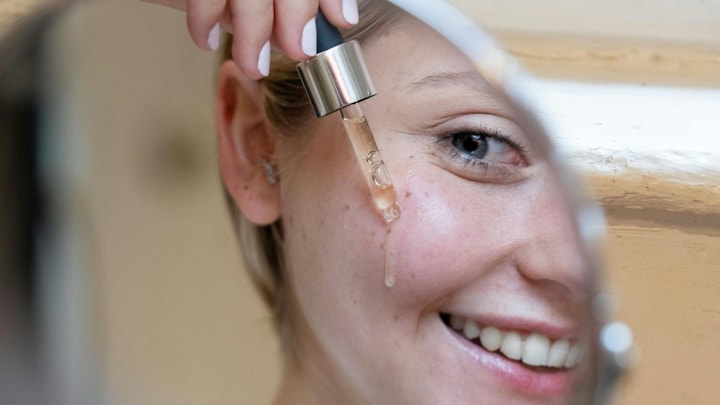
The manner in which a perfume is applied can be as pivotal as the perfume itself. Moisturised skin acts like a sponge, allowing fragrance molecules to adhere more effectively and release gradually. Applying a light, unscented or matching lotion before spraying the perfume creates a barrier that slows evaporation.
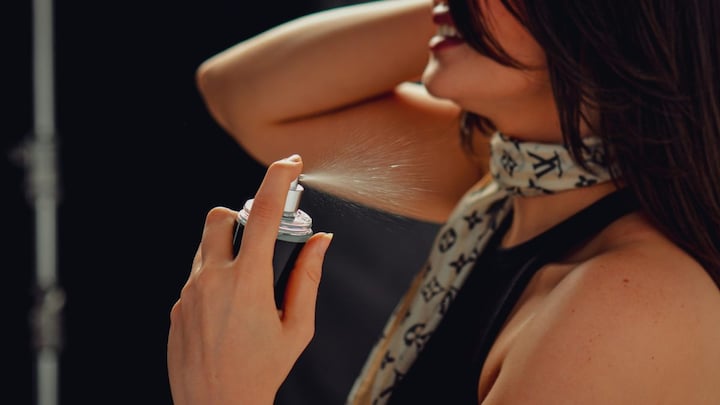
Pulse points remain a cornerstone of fragrance application because these areas—wrists, the side of the neck, and behind the ears—emit more heat than other parts of the body. The increased temperature at these sites assists the perfume to diffuse naturally, enhancing projection without the need for excessive amounts. However, when choosing pulse points, it is essential to avoid rubbing the wrists together after spraying. Rubbing can physically break down the molecules, leading to a faster loss of scent and potentially altering the intended scent architecture.
Layering extends beyond lotion. Several brands now produce “fragrance‑matching” shower gels and body creams that echo the perfume’s note structure. Using these complementary products at the start of the day creates a scent‑friendly canvas, allowing the perfume to sit atop an already scented base, thereby prolonging the overall olfactory experience.
The role of re‑application
Re‑application, often dismissed as unnecessary, becomes a practical habit during sweltering months. Carrying a pocket‑size atomiser or a travel‑compatible roll‑on enables quick touch‑ups without the need for a full bottle. Re‑application does not imply the original perfume failed; rather, it follows the tradition of scent usage that viewed fragrance as a dynamic element to be refreshed throughout the day.
When re‑applying, it is advisable to focus on the same pulse points used initially, ensuring consistency in scent diffusion. A gentle spritz onto previously moisturised skin is enough; over‑saturation can lead to an overwhelming cloud of aroma, which defeats the purpose of a subtle, lingering presence.
Industry response to warm‑climate demands
Fragrance houses have taken note of the growing need for summer‑friendly scents. Many are now formulating perfumes specifically for hotter climates, deliberately engineering a balance between airy freshness and a modest, sustaining depth. Manish Gupta remarks, "Ultimately, wearing fragrance in summer is less about making it last at all costs, and more about adapting to the environment. A well‑chosen scent, worn with a bit of intention and refreshed when needed, can feel just as impactful even if it doesn’t announce itself all day." This perspective underscores a shift from a purely longevity‑centric mindset to one that values harmony with ambient conditions.
Brands are also experimenting with novel delivery systems, such as micro‑encapsulation, which aim to release fragrance molecules gradually in response to skin temperature. While these technologies are still emerging, they represent a proactive approach to the challenges posed by high heat and humidity.
Practical checklist for summer fragrance success
- Choose a fragrance that blends bright, volatile top notes with a modestly richer heart or base.
- Hydrate skin beforehand using an unscented or matching lotion to improve molecule adherence.
- Apply perfume to pulse points—wrists, side of neck, behind ears—without rubbing.
- Complement perfume with matching shower gel or body cream to create a layered scent foundation.
- Carry a travel‑size atomiser for discreet re‑application every few hours.
- Re‑apply gently onto moisturised skin, focusing on the same pulse points used initially.
- Consider newer formulations that are expressly designed for warm, humid environments.
By following these steps, the fragrance experience can remain vibrant and enjoyable throughout a typical Indian summer day, allowing the wearer to benefit from both freshness and a respectable deGree of staying power.