Rupee Near 100? War in Iran, Oil Price Surge Heighten Strain on Indian Currency
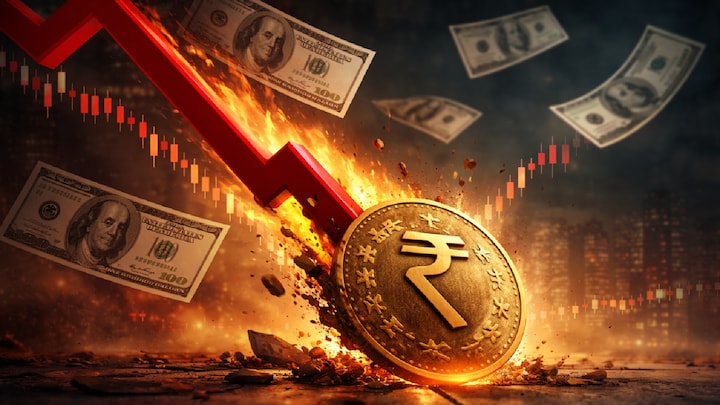
"Rs 100 per US dollar is no longer a tail risk — it is a credible stress scenario if current conditions persist," says Ahmed Azzam, head of financial market research at Equiti Group.
The Indian rupee faces the prospect of further depreciation, with market observers noting that a level near Rs 100 per US dollar could become a realistic outcome if the war in Iran continues to intensify. The assessment draws on a Bloomberg report that references a range of global analysts and a suite of market indicators.
Over the previous twelve months, the Indian rupee has slipped roughly ten percent, positioning it among the weakest Asian currencies observed in recent trading cycles. Geopolitical instability, especially the ongoing hostilities between Iran and its adversaries, has added a decisive layer of pressure to an already fragile exchange‑rate environment.
Oil surge and worldwide uncertainty deepen rupee weakness
Analysts at Wells Fargo and VanEck have sounded alarms that a sustained rise in oil prices could accelerate the downward trajectory of the Indian rupee. Their commentary, captured by Bloomberg, emphasizes the direct link between crude‑oil costs and the Indian rupee’s exchange‑rate dynamics.
India’s considerable reliance on imported crude means any upward movement in oil prices immediately inflates the nation’s import bill, widens the current‑account deficit, and fuels inflationary pressures. All three variables traditionally serve to erode confidence in a currency and can trigger capital outflows.
Since the conflict in the Middle East escalated, Brent crude has jumped nearly forty‑four percent, touching a record high of $119.50 per barrel. Some market commentators project that the price could climb further, potentially reaching $150 or even $200 per barrel if supply chain disruptions intensify, especially along pivotal transit corridors such as the Strait of Hormuz.
Reserve Bank of India intervenes, yet market impact appears muted
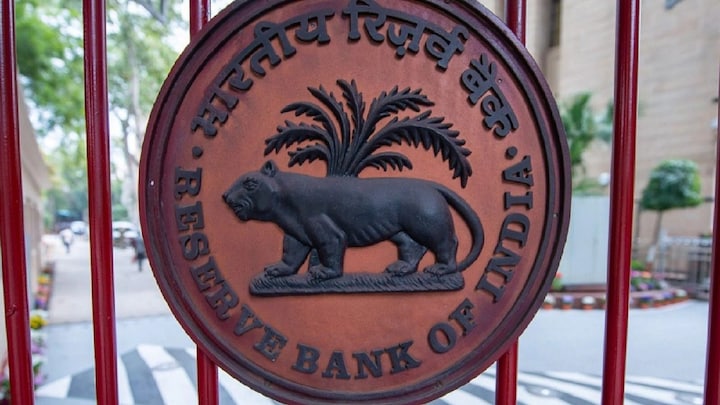
The Reserve Bank of India has rolled out a set of measures designed to temper market volatility. Among these steps is a cap on banks’ end‑of‑day positions in the onshore currency market, limiting exposure to $100 million per institution. The intention behind the limit is to reduce speculative betting that could exacerbate price swings.
Initial market reaction suggested a modest rebound, with the Indian rupee appreciating as much as 1.4 percent after the policy announcement. However, the gains proved short‑lived, and the exchange rate subsequently slipped to a fresh trough of 95.125 against the US dollar on the same trading day. The pattern indicates that broader macroeconomic forces, rather than short‑term policy tweaks, dominate price formation.
"Rs 100 per US dollar is no longer a tail risk — it is a credible stress scenario if current conditions persist," Ahmed Azzam, head of financial market research at Equiti Group, was quoted as saying. Ahmed Azzam added that the steps taken thus far resemble temporary band‑aid solutions rather than enduring structural reforms.
Derivatives markets embed expectations of further depreciation
Data from Bloomberg highlights that the probability of the Indian rupee reaching the Rs 100 per US dollar threshold within the next half‑year sits around thirteen percent, with the likelihood climbing to roughly forty‑one percent over the longer term. These figures emerge from pricing in the derivatives market, where traders express their outlook through options and futures contracts.
Nick Twidale of AT Global Markets, speaking to Bloomberg, affirmed that bearish bets on the Indian rupee remain robust. "One hundred and beyond is a virtual certainty as long as the war persists," Nick Twidale asserted, underscoring the belief that market forces may outweigh any intervention by the Reserve Bank of India.
Conflict duration and oil trajectory steer currency path
The near‑term trajectory of the Indian rupee will hinge heavily on the length of the hostilities in the Middle East and the pace at which oil prices evolve. Aroop Chatterjee, global macro strategist at Wells Fargo, contended that the Indian rupee could slip past the Rs 100 mark if the conflict endures for several more weeks.
"If the US‑Iran war continues through the final weeks of the current phase, I think it is very likely that the dollar‑rupee pair will find itself above the hundred threshold," Aroop Chatterjee said. The strategist drew a parallel with the Russia‑Ukraine conflict, noting that several currencies weakened by roughly ten percent over a few months during that period. The present scenario could prove more severe because of the sharper shock to oil markets.
Pre‑existing vulnerabilities compound pressure on the rupee
Even before the escalation of the Iran conflict, the Indian rupee was contending with headwinds such as capital outflows and diminished foreign investment inflows. Global funds withdrew approximately $12 billion from Indian equity markets during the recent period, representing one of the most sizable monthly outflows on record.
The tighter liquidity environment that followed the Reserve Bank of India's policy adjustments may increase financing costs for importers and prompt a shift of trading activity toward offshore markets, further straining the onshore Indian rupee.
Limited upside even if hostilities subside
Several analysts argue that the Indian rupee may struggle to recover substantially, even in the event that the conflict in the Middle East draws to a close. Win Thin, chief economist at Bank of Nassau, told Bloomberg that a cessation of hostilities would not automatically translate into a sharp rebound for the Indian rupee. "If and when it does end, I would expect the Indian rupee to resume underperforming," Win Thin explained.
Anna Wu, strategist at VanEck, highlighted structural risks that linger irrespective of the war’s outcome. "I think it is possible to reach the hundred level," Anna Wu said, emphasizing that India’s persistent reliance on oil imports and the recent wave of capital outflows keep the exchange rate vulnerable.