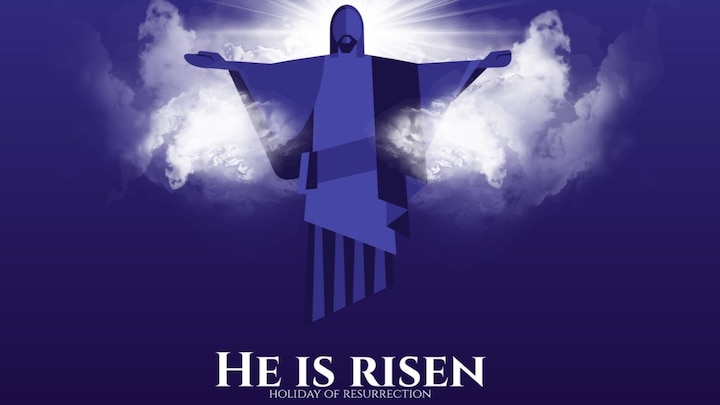
Easter 2026, on April 5, commemorates the resurrection of Jesus Christ
EASTER 2026 DATE HISTORY SIGNIFICANCE: Easter stands as the principal festival in Christianity because it marks the resurrection of Jesus Christ from the dead, an event that underlies the entire Christian faith. In 2026, Easter Sunday will be observed on April 5, a day of pure joy that follows the solemn period of Lent and presents the triumph of life over death.
How Easter 2026 Gets Its Date
Easter is a movable feast, which means that the calendar date changes each year. The rule for determining Easter relies on the first Sunday that follows the first full moon after the vernal equinox. Because the astronomical events vary, Easter can fall on any Sunday between March 22 and April 25. In 2026, the calculation places Easter Sunday on April 5.
The method of using a lunar cycle dates back to early Christian attempts to align the celebration with the Jewish Passover, which itself follows a lunar calendar. This alignment ensured that the Christian remembrance of the resurrection would occur in close proximity to the Passover festival that celebrated the Israelites’ liberation from bondage.
The Spiritual Significance of Easter 2026
The days leading up to Easter form a profound narrative of suffering, sacrifice, and hope. Good Friday records the crucifixion and death of Jesus Christ. Holy Saturday marks the time of burial and silence, while the Easter Vigil celebrates the moment of triumph when the tomb is found empty. The resurrection on Easter Sunday is interpreted as the fulfillment of divine promise, confirming that death has been overcome and eternal life is offered to all believers.
This theological climax is celebrated with exuberant liturgies, jubilant hymns, and vibrant symbols of new life. The central message of Easter emphasizes renewal, redemption, and the assurance that divine love conquers all adversity.
Historical Roots of Easter
The term “Easter” originates from the Old English word ēastre, which referred to a pre‑Christian spring festival honoring the goddess Ēostre. Early Christians adopted the name for the celebration of the resurrection, merging the ancient spring motif with the new theological meaning.
The earliest Christian community linked the resurrection narrative to the Jewish Passover because the Gospel accounts place the crucifixion during the Passover week. The first documented observance of the Resurrection as a distinct celebration appears in the second century, when Christian writers described special gatherings on the third day after the crucifixion.
Through the centuries, a rich tapestry of customs emerged. The egg, a universal symbol of new life, became associated with Easter as a representation of the empty tomb. The rabbit, known for its prolific breeding, entered folklore as the “Easter Bunny,” embodying fertility and the renewal of nature during spring.
Customs and Traditions Across the Globe
Easter is celebrated in diverse ways around the world, each culture adding its own layers of meaning, food, music, and ritual. The following list outlines the most recognizable practices while preserving the core facts about each nation.
- United States: Easter in United States is characterized by family gatherings, organized Easter egg hunts, and elaborate festive meals. The Easter Bunny appears as a beloved figure, delivering baskets filled with chocolate eggs and candy. Many families also attend worship services that focus on the Resurrection.
- Italy: Easter in Italy features majestic religious processions that wind through historic city streets. On Easter Sunday, the “Scoppio del Carro” (Explosion of the Cart) in Florence uses fireworks to symbolize a hopeful harvest. Traditional dishes such as roasted lamb, artichokes, and specially baked Easter bread are integral to the celebration.
- Spain: Easter in Spain unfolds with elaborate processions, especially in cities such as Seville. Participants wear traditional robes and carry solemn statues of Christ and the Virgin Mary. The week preceding Easter, known as “Semana Santa,” is filled with cultural performances, penitential rites, and communal prayers.
- Greece: Easter in Greece holds a place of utmost importance. Celebrations commence on Holy Saturday with the “Midnight Mass,” where congregants receive the “Holy Light” and share a celebratory feast. On Easter Sunday, roasted lamb and sweet bread called “tsoureki” dominate the table.
- Germany: Easter in Germany is deeply intertwined with folk tradition. Communities decorate trees and homes with colorful Easter eggs, and children engage in competitive egg‑rolling games. The “Osterfeuer” (Easter Bonfire) lights large fires in public squares to chase away winter and usher in spring.
- Poland: Easter Monday in Poland is marked by “Śmigus‑Dyngus,” a playful custom where participants splash water on one another, symbolizing spiritual cleansing and the joyous end of Lent.
- France: Easter in France centers on large family meals featuring lamb and other regional specialties. In certain areas, folklore claims that church bells fly to Rome during Holy Week and return on Easter Sunday, bringing chocolate eggs for children to discover.
- Mexico: Easter in Mexico is known for vivid processions and dramatic reenactments of the Passion of Christ. Many families combine religious observance with leisure travel to coastal resorts, creating a blend of devotion and recreation.
These varied traditions illustrate how Easter can simultaneously serve as a solemn remembrance of a pivotal theological event and a festive celebration of spring’s renewal.
Symbols That Define Easter
The egg remains perhaps the most powerful emblem of Easter. Historically, the egg represents the sealed tomb from which new life emerged. Across cultures, eggs are painted, dyed, and hidden for children to discover during egg hunts, reinforcing the theme of discovery and rebirth.
The rabbit, frequently called the “Easter Bunny,” began as a pre‑Christian fertility symbol. Over time, the rabbit evolved into a character that delivers eggs, merging two potent symbols of new life into a single cultural figure.
Other symbols include lilacs and tulips, which bloom during the spring season, and the candle, which signifies the “Holy Light” received during midnight Masses in many Orthodox traditions.
Liturgical Practices on Easter 2026
Churches around the world observe a sequence of services that build toward the climax of Easter Sunday. The Good Friday service typically includes a reading of the Passion narrative, veneration of the cross, and solemn music. Holy Saturday is marked by a vigil that begins after sunset, featuring the lighting of the Paschal candle, the singing of “Christ is risen,” and the proclamation of the resurrection.
On Easter Sunday, worship services open with triumphant hymns, the proclamation “He is risen,” and the reading of the resurrection accounts from the Gospels. Communion is often celebrated as the first Eucharist of the new liturgical year, reinforcing the theological link between the resurrection and the promise of eternal life.
Beyond the formal liturgy, many churches host community meals, children’s activities, and charitable outreach, extending the spirit of renewal to the broader society.
Reflection on the Meaning of Easter 2026
Easter 2026 invites believers and observers alike to contemplate the profound narrative of death transformed into life. The date, anchored by astronomical calculations, connects humanity’s observation of the natural world with a spiritual reality that transcends time.
Through centuries of tradition, symbols, and communal celebrations, Easter continues to offer a message of hope, encouraging individuals to embrace renewal, forgiveness, and the promise of a brighter future.