How I Stumbled Upon the Announcement While Browsing Latest News India
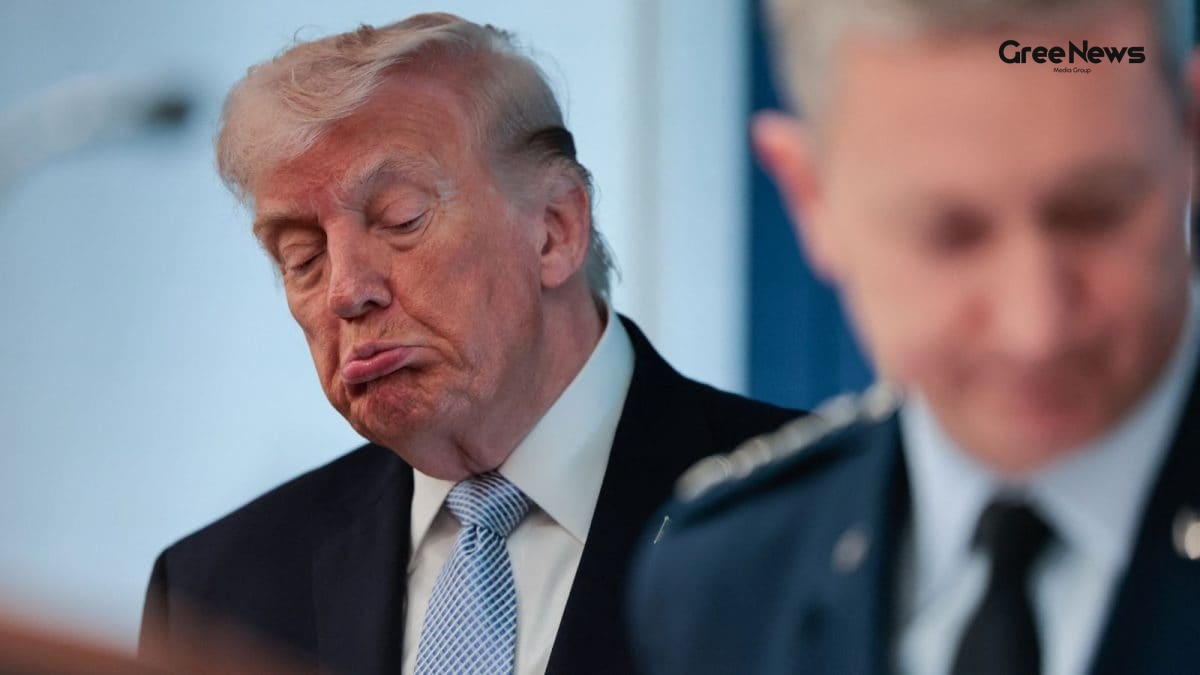
Honestly, I was just sipping my chai on a lazy Saturday morning, scrolling through my favourite news app for the latest updates. Out of nowhere, a banner with bold letters caught my eye it was breaking news about a possible meeting between Israel and Lebanon after 34 years. I thought, “What on earth is happening now?” The post was from Donald Trump, who wrote a short message on Truth Social saying a historic conversation would happen the next day. That little note sparked a cascade of curiosity, and I found myself diving deeper into the story, especially because it felt like something straight out of a thriller.
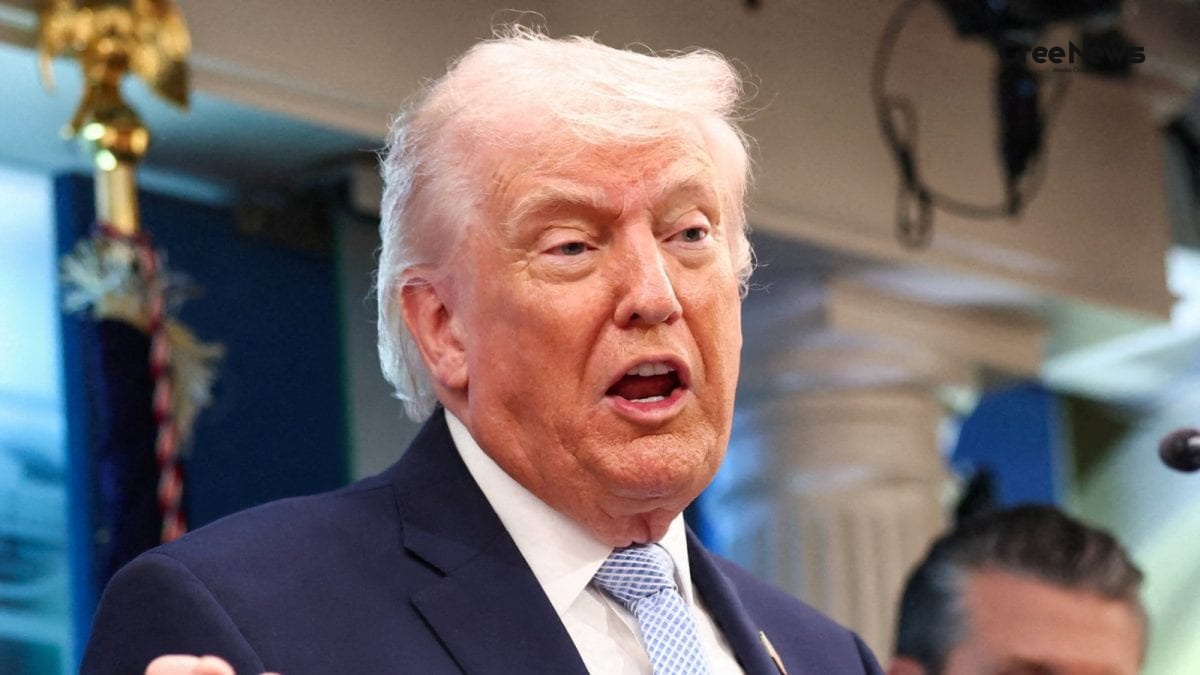
Donald Trump’s Exact Words and Why They Matter
Donald Trump wrote, “Trying to get a little breathing room between Israel and Lebanon. It has been a long time since the two leaders have spoken, like 34 years. It will happen tomorrow. Nice!” The phrasing was simple, almost casual, but the implication was massive. In most cases, a former US president dropping such a hint gives the whole world a heads‑up that diplomatic gears are turning. The timing felt particularly interesting because there had been a flurry of reports suggesting a ceasefire could be announced soon.
What happened next is interesting rumours started spreading like wildfire across social media platforms. Many people were surprised by this announcement, especially since Donald Trump did not name the specific leaders. However, clues in the text and surrounding coverage pointed strongly toward Israeli Prime Minister Benjamin Netanyahu and Lebanese President Joseph Aoun being the key figures.
Background: Why This Meeting Is a Big Deal
To understand why this moment feels historic, you need a quick refresher on the India updates about the Israel‑Lebanon conflict. Since the foundation of Israel in 1948, the two neighbours have technically remained in a state of conflict. No official diplomatic relations have ever been established, and their borders have been a hotbed of skirmishes. Most of us in India know this only from headlines, but the reality is far more complex.
High‑level meetings are extremely rare. The first time leaders from both sides ever sat together in an official setting was back in 1983, when the United States helped mediate a short‑lived truce after the Lebanon War. Even that was limited to military commanders rather than heads of state. In 1993, there were negotiations during an Israeli offensive against Hezbollah, but once again, the talks never reached the level of prime ministers or presidents.
So when Donald Trump hinted at a conversation that could involve Benjamin Netanyahu and Joseph Aoun, it felt like the kind of news that turns into viral news across multiple platforms from Twitter threads to WhatsApp forwards, all the way to tea‑time discussions in Indian households.
Current Ceasefire Talks and the Role of the United States
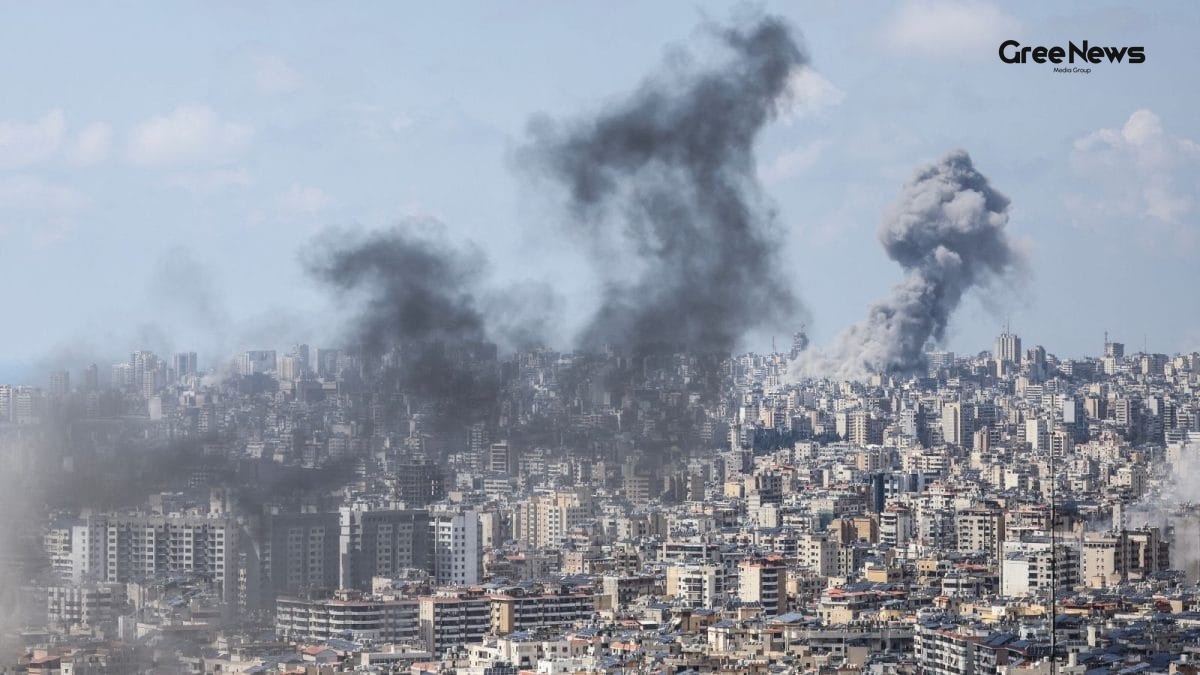
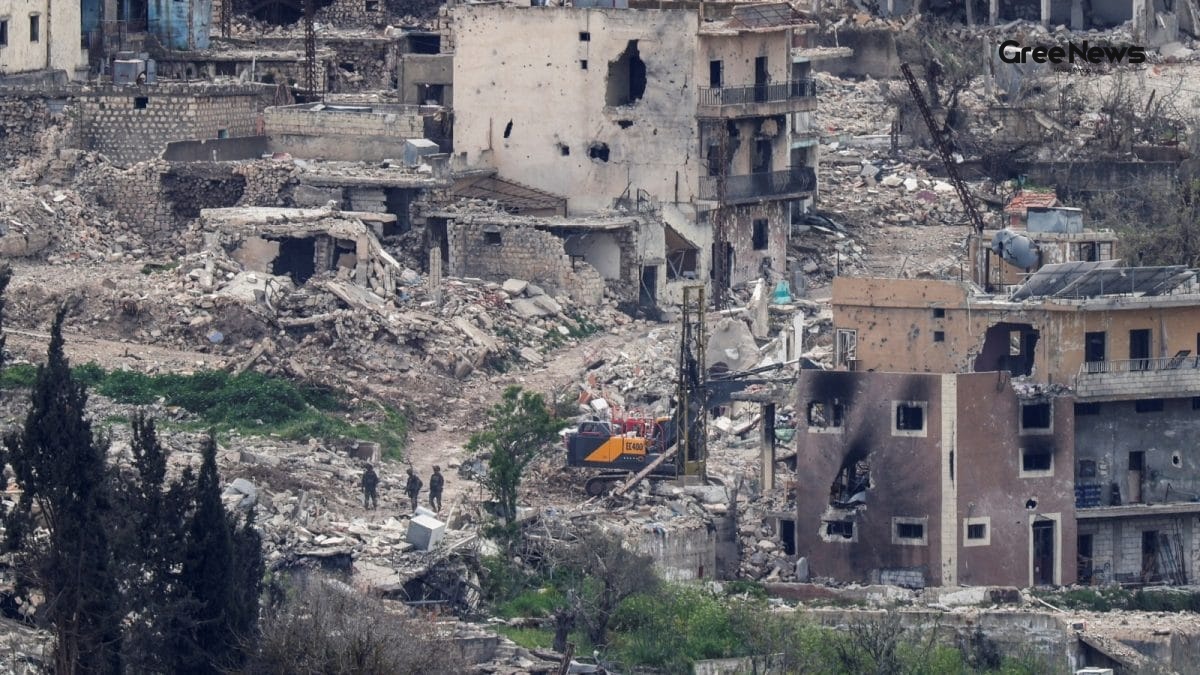
According to several reports that have been circulating as part of trending news India, Lebanese officials told the Financial Times that a ceasefire could be announced soon, likely after Israeli ground forces finish their operations in the town of Bint Jbeil in southern Lebanon. The conflict, which started on March 2, has claimed over 2,100 lives in Lebanon, including women, children, and medical staff, while also costing Israeli soldiers dearly.
Donald Trump’s statement coincided with a meeting of the Israeli security cabinet, where a potential Lebanon ceasefire was discussed. The meeting reportedly ended without a final decision. This uncertainty kept the region on edge, and many analysts believe a high‑level dialogue could serve as the breathing room that Donald Trump mentioned.
Lebanese officials have hinted that any willingness to sit down with Israel would come only after a clear ceasefire is in place. On the other hand, Israel has been reluctant to aGree to a full ceasefire, insisting on continuing its campaign against Hezbollah to degrade the group’s capabilities. This stalemate makes the prospect of a Benjamin Netanyahu‑Joseph Aoun meeting all the more intriguing.
Why This Matters to Us in India
Even though the Middle East may seem far away, the ripple effects of such a meeting touch us here in India in many ways. For one, any de‑escalation could influence oil prices, which directly affect fuel costs across the country. Moreover, India has a sizeable diaspora in the Gulf, and stability in the region can impact the safety and economic wellbeing of many Indian families.
From a geopolitical standpoint, the United States has been actively trying to curb Iranian influence in the region a strategy that also aligns with India’s own security concerns. If a ceasefire and a dialogue between Israel and Lebanon progress, it could reshape the broader US‑Israel‑Iran dynamics that have been buzzing in the background of our evening news.
Also, it’s fascinating to see how quickly this story turned into breaking news, dominating the headlines of online portals, and becoming a talking point in office canteens. The fact that it involves a former US president adds that extra layer of intrigue that makes people want to read more a perfect example of how a simple update can become viral news within hours.
Personal Reflections The Human Side of Diplomacy
When I read about the potential meeting, I imagined the scene in a neutral venue perhaps Geneva or Paris where Benjamin Netanyahu and Joseph Aoun would sit across a polished table, with interpreters humming in the background. In my mind, I could hear the murmur of journalists, the click of cameras, and the subtle tension in the air. It reminded me of my own experiences attending political rallies in Delhi, where the energy is thick with anticipation.
What struck me the most was the human element. Behind the grand headlines and diplomatic jargon, there are real people families in Haifa and Beirut, students planning their futures, and countless soldiers on both sides. The numbers we see thousands killed, dozens of soldiers lost are not just statistics; they are parents, brothers, sisters. This is why the prospect of a dialogue, however tentative, feels like a glimmer of hope for many.
Many of my friends on social media shared their thoughts, some asking whether this could finally end the cycle of retaliation, while others were skeptical, recalling past attempts that fizzled out. The mix of optimism and doubt perfectly captures the mood of a nation watching from afar.
Possible Outcomes What Could Happen Next?
If the meeting does go ahead as Donald Trump hinted, a few scenarios could unfold. First, the dialogue could result in a formal ceasefire aGreement, which would immediately halt the bombardments and potentially open humanitarian corridors for aid delivery. Second, even if no concrete aGreement is reached, the very act of leaders talking could set a precedent for future negotiations, breaking the 34‑year silence.
On the flip side, there is a risk that the meeting could become a diplomatic show without substantive results, leaving both sides to return to the battlefield. In most cases, the success of such talks depends on the political will of the participants and the pressure from external actors, especially the United States, which has been pushing for de‑escalation.
Whatever the outcome, the world will be watching, and India will continue to follow the story as part of its own foreign policy interests and as a topic that keeps popping up in trending news India feeds.
Final Thoughts A Moment That Could Change History
Looking back, the fact that a former US president used a social platform to tease a potential breakthrough feels like something out of a movie. Yet, it also underscores how modern diplomacy has evolved from secret back‑channel meetings to public announcements that go viral within minutes.
For us ordinary folks, the real takeaway is to stay informed and understand how these high‑level decisions can ripple into everyday life, whether it’s through news headlines, fuel prices, or the safety of our relatives working abroad. As the story continues to develop, I’ll be keeping a close eye, because what happens next could be interesting not just for the Middle East, but for the whole world, including us here in India.
Stay tuned for more updates, and feel free to share your thoughts after all, conversation is the first step toward any lasting peace.