ChatGPT for AI Action Figures: A Comprehensive Guide
Producer: Priyanka Das
Editor: Manuj Yadav
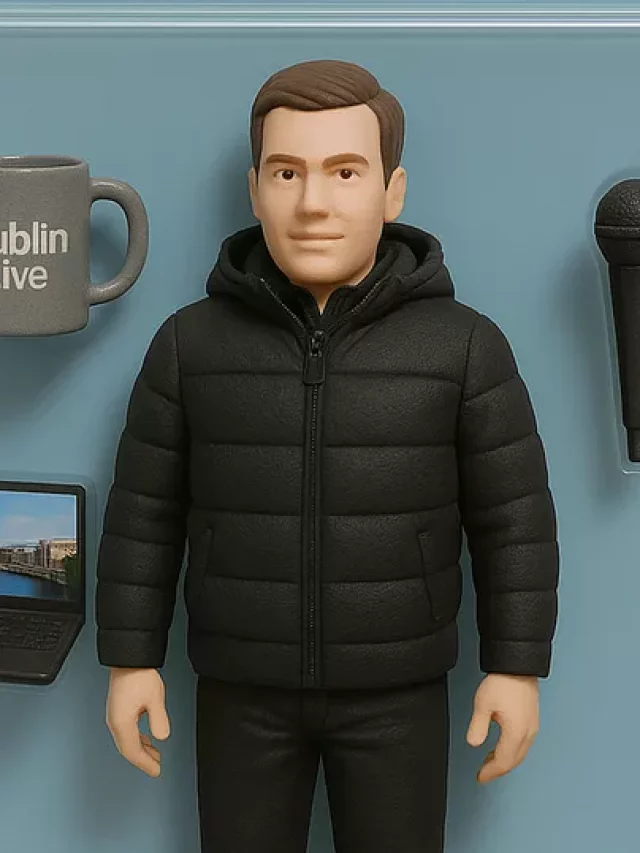
Why use ChatGPT when creating an action figure?
ChatGPT offers a conversational interface that can translate a vague idea into a concrete design brief. By asking focused questions, ChatGPT can explore character backstories, physical attributes, and even pose recommendations. In addition, ChatGPT can produce marketing copy, specification sheets, and a list of recommended manufacturing materials, all while keeping the vision consistent.
Because ChatGPT processes natural language, the creator does not need to master technical jargon to convey a complex concept. The model can elaborate on a single sentence, generate multiple variations, and refine details through iterative dialogue. The result is a comprehensive file that can be handed directly to a sculptor, 3‑D printer, or casting workshop.
Step‑by‑step workflow powered by ChatGPT
1. Defining the core concept
The first interaction with ChatGPT should focus on the central idea. Provide a short description such as “a cyber‑punk ninja with a neon‑lit katana.” ChatGPT will ask clarifying questions about era, personality, and key visual cues. By the end of this exchange, ChatGPT compiles a concise narrative that serves as the foundation for the figure.
2. Expanding the character biography
A rich backstory helps sculptors understand posture, expression, and accessories. Direct ChatGPT to elaborate on the hero’s motivations, origin story, and signature moves. The model can produce a paragraph‑long biography that can be included in product packaging or a promotional webpage.
3. Detailing visual attributes
Ask ChatGPT to list specific visual traits: armor plating thickness, helmet shape, weapon dimensions, and color palette. ChatGPT can output a bullet‑pointed specification sheet that can be directly shared with a 3‑D artist.
4. Generating pose and action ideas
Pose selection influences the final molding process. Instruct ChatGPT to suggest three dynamic poses, describing limb angles, balance points, and anticipated articulation points. ChatGPT can also recommend which joints should be movable to maximize playability.
5. Selecting appropriate materials
Based on the design complexity, ChatGPT can outline material options such as ABS plastic, resin, or metal alloys. The model can note the pros and cons of each material, taking into account weight, durability, and paint adherence.
6. Drafting a manufacturing brief
Combine the prior outputs into a single manufacturing brief. ChatGPT can format the document with sections for concept overview, visual specifications, pose diagrams (described in text), material recommendations, and finishing instructions. This brief acts as a bridge between the creative vision and the production team.
7. Creating marketing copy
Effective product launch requires compelling copy. Provide ChatGPT with the final design brief and request a tagline, a short description for online listings, and a longer narrative for press releases. ChatGPT can tailor the tone—whether heroic, whimsical, or technical—to match the intended audience.
8. Planning the launch strategy
Beyond the figure itself, ChatGPT can suggest a rollout plan: teaser images, social‑media cadence, limited‑edition packaging ideas, and suggested pricing tiers. The model can also outline potential partnership opportunities with collectors’ clubs or comic‑book conventions.
Practical tips for optimal interaction with ChatGPT
- Be specific in each prompt. Instead of asking "Give me a design," ask "Describe the armor’s shoulder plates in detail, focusing on texture and size."
- Iterate frequently. After receiving a response, ask follow‑up questions to refine dimensions or clarify ambiguities.
- Use numbered lists. When requesting specifications, instruct ChatGPT to format the answer as a numbered list for easy reference.
- Request alternative options. For each design element, ask for at least two variations to broaden creative possibilities.
- Save each exchange. Export the conversation transcript to a text file; this becomes a valuable record of the design evolution.
Following these practices ensures that the information generated by ChatGPT remains organized, precise, and ready for direct hand‑off to manufacturing partners.
Potential challenges and how ChatGPT can mitigate them
Even with a powerful language model, some obstacles may arise during the figure‑creation process. Common challenges include vague terminology, unrealistic material suggestions, or missing scale references.
ChatGPT can address vague terminology by asking targeted clarification questions. When unrealistic material suggestions appear, instruct ChatGPT to cross‑check against the previously listed material pros and cons, prompting a corrected recommendation. For scale issues, ask ChatGPT to provide measurements in both millimeters and inches, guaranteeing compatibility with international production standards.
Conclusion: Transforming imagination into collectibles with ChatGPT
Leveraging ChatGPT for AI action figures bridges the gap between creative imagination and tangible collectibles. By guiding the user through concept development, visual detailing, material selection, manufacturing documentation, and marketing preparation, ChatGPT serves as a multifaceted assistant that streamlines the entire pipeline. Whether the creator is a seasoned hobbyist or a newcomer eager to bring a favorite character to life, the structured workflow outlined above empowers the creator to produce a polished, market‑ready action figure without relying on extensive technical expertise.
The synergy between human creativity and ChatGPT’s language capabilities reshapes how personalized merchandise is conceived, designed, and launched. With each iterative conversation, the vision becomes clearer, the specifications more precise, and the final product more compelling.