Top Phone Launches Expected
Producer: Priyanka Das Editor: Mohit Bisht

Overview of the Upcoming Releases
The Indian smartphone market is on the cusp of a busy period, with three major manufacturers poised to unveil flagship and mid‑range models that could reshape consumer preferences. Xiaomi, Nothing and Samsung have each confirmed that they will introduce new handsets within the next few weeks, targeting a range of price points and feature sets. While the exact specifications remain under wraps, the companies have hinted at several key themes that will define the devices: enhanced connectivity, refined design language, and a stronger emphasis on camera performance.
Industry analysts anticipate that the aggregate impact of these launches will be felt across both premium and budget segments. The competition among the three brands is expected to intensify, compelling each to differentiate through unique selling propositions such as fast‑charging ecosystems, software integration, and ecosystem‑wide synergies with wearables and smart home products.
Xiaomi’s Strategic Approach
Xiaomi continues to leverage its reputation for delivering high specs at aggressive price points. The upcoming release is slated to belong to the POCO sub‑brand, a line historically positioned to attract performance‑oriented users without the premium price tag. Sources suggest that the new device will incorporate a media‑tek chipset that promises a balance between power efficiency and raw processing capability, making it suitable for gaming, multimedia consumption and everyday multitasking.
In addition to the processor, the handset is rumored to feature a 108‑megapixel primary sensor, a trend that Xiaomi has embraced across several of its recent global launches. Coupled with a high‑refresh‑rate display—potentially 120 Hz—the device aims to deliver a fluid visual experience that rivals more expensive competitors. Battery capacity is expected to sit around 5,000 mAh, complemented by ultra‑fast charging technology that could replenish the battery from 0 to 100 percent in under an hour.
On the software front, the device will likely run the latest iteration of MIUI, Xiaomi’s customized Android overlay, which emphasizes personalization, security features, and seamless integration with the company's expanding Internet‑of‑Things (IoT) ecosystem. This integration could allow users to control compatible smart devices directly from the phone, reinforcing Xiaomi’s vision of a connected lifestyle.
Nothing’s Minimalist Vision
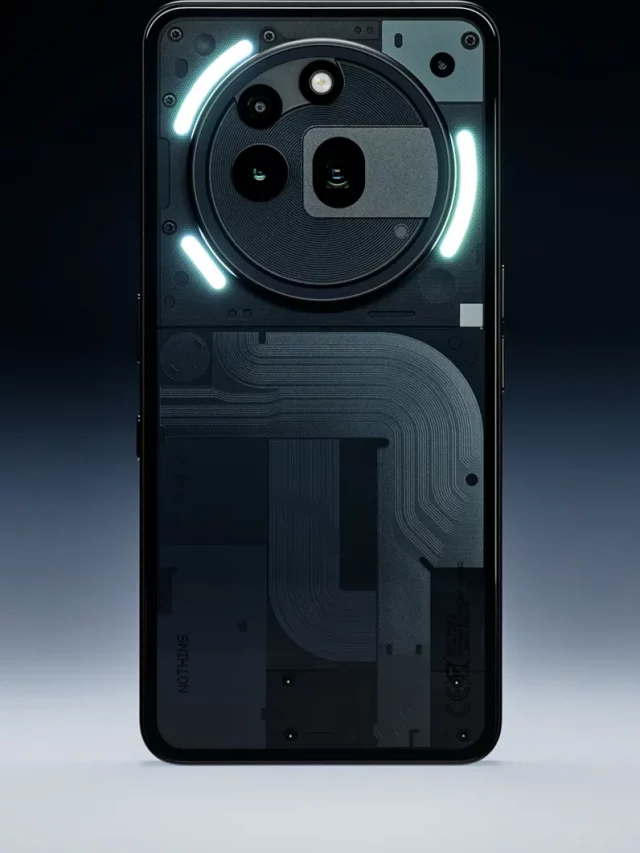
Nothing has carved a niche for itself by championing a design philosophy that values simplicity, transparency, and a distinctive aesthetic. The forthcoming launch is expected to extend this philosophy into the mid‑range segment, offering a device that balances visual appeal with practical performance.
The anticipated handset is said to house a Qualcomm Snapdragon 7 series processor, a choice that would position the phone squarely between entry‑level and flagship tiers. This chipset is known for delivering competent performance in day‑to‑day tasks while maintaining power efficiency—a crucial factor for a device that targets a broad audience.
Camera capabilities are projected to include a dual‑sensor arrangement, with a primary lens of 50 megapixels paired with an ultra‑wide‑angle companion. The combination aims to satisfy users interested in both detailed portraits and expansive landscape shots. Meanwhile, the display is rumored to adopt an OLED panel with a subtle curve, echoing Nothing’s signature translucent back design that reveals internal components in a stylized manner.
Software integration will be a focal point, as Nothing continues to develop its Nothing OS platform. The operating system promises a clean, bloat‑free experience, enriched with unique visual cues such as animated icons and a flexible notification system. Moreover, the phone is likely to support fast charging at 65 watts, ensuring minimal downtime for users who rely heavily on their device throughout the day.
Samsung’s Flagship Continuity
Samsung remains a dominant force in the Indian market, particularly within the premium segment. The upcoming launch is expected to augment the Galaxy S line, adding another high‑end contender that pushes the envelope in terms of display technology, camera innovation, and ecosystem integration.
Pre‑launch rumors point toward the inclusion of Samsung’s latest Exynos processor, a silicon solution that balances performance with energy consumption. Paired with this, the handset is likely to showcase a Dynamic AMOLED 2X display that supports an adaptive refresh rate ranging from 48 Hz to 120 Hz, thereby optimizing battery life while delivering smooth visual transitions when needed.
Camera advancements are a hallmark of Samsung’s flagship strategy. The device is expected to feature a triple‑camera array, headlined by a 200‑megapixel main sensor—a continuation of Samsung’s push toward ultra‑high‑resolution imaging. Accompanying lenses would include a periscope telephoto module capable of 10× optical zoom and an ultra‑wide lens designed for low‑light performance. These components work together to provide versatility across a wide range of photographic scenarios.
Battery capacity is anticipated to be roughly 5,000 mAh, supported by both fast wired charging and wireless charging capabilities. Samsung’s software suite will likely incorporate the latest One UI iteration, built on Android, offering deep integration with the company’s broader ecosystem, including wearables, tablets, and smart home devices. Features such as Samsung DeX, which allows the phone to function as a desktop computer when connected to an external monitor, could also be part of the offering.
Market Implications and Consumer Expectations
The simultaneous arrival of new devices from Xiaomi, Nothing and Samsung is set to intensify competition across multiple market tiers. Consumers in India, who form one of the world’s largest smartphone user bases, are increasingly discerning, seeking value propositions that blend cutting‑edge technology with affordability.
For budget‑conscious shoppers, Xiaomi’s POCO‑branded offering stands out as a compelling choice, delivering flagship‑level specs at a fraction of the cost. The blend of a high‑resolution sensor, robust processor and rapid charging may attract gamers, content creators and power users who previously gravitated toward more expensive brands.
Meanwhile, Nothing’s emphasis on design elegance and software cleanliness could resonate with a demographic that values aesthetic differentiation and a streamlined user experience. The translucent back panel, coupled with an intuitive operating system, positions the brand as a niche alternative for consumers seeking uniqueness without compromising on essential performance metrics.
Samsung’s continued focus on premium specifications ensures that the high‑end segment remains fiercely contested. By pushing the boundaries of sensor resolution, display adaptability and ecosystem integration, Samsung aims to retain its loyal customer base while enticing new adopters who desire a cohesive suite of devices ranging from smartphones to smart TVs.
Collectively, these launches may also influence pricing dynamics across the sector. Historical patterns suggest that the introduction of feature‑rich devices at aggressive price points tends to trigger price adjustments among competing models, potentially lowering the overall cost of ownership for consumers.
Supply Chain and Production Considerations
Beyond the devices themselves, the rollout timeline is closely linked to global supply‑chain factors, including semiconductor availability and logistics efficiency. All three manufacturers have reportedly secured component allocations for their upcoming models, mitigating risks of production bottlenecks that have plagued the industry in recent years.
Xiaomi’s extensive manufacturing network, spanning multiple Asian facilities, enables rapid scaling of POCO units to meet anticipated demand spikes. Nothing, while operating on a smaller scale, has partnered with established original design manufacturers (ODMs) to ensure a steady flow of components and assembly capacity. Samsung, leveraging its vertically integrated supply chain, maintains in‑house production capabilities for critical components such as displays and memory modules, providing greater control over lead times.
These logistical preparations are crucial for aligning product availability with market launch windows, especially in a region where e‑commerce platforms and offline retail channels operate in tandem. Timely delivery to both online marketplaces and brick‑and‑mortar stores will be essential for capturing early‑adopter interest and sustaining sales momentum.
Future Outlook
Looking ahead, the upcoming releases from Xiaomi, Nothing and Samsung could set the tone for subsequent product cycles. Success in capturing market share may influence the strategic direction of each brand, prompting refinements in design, feature prioritization and pricing strategies for future generations.
For Xiaomi, a strong reception of the POCO device could reinforce the viability of its sub‑brand as a long‑term pillar in the mid‑range arena, encouraging further investments in camera technology and fast‑charging solutions. Nothing’s distinctive aesthetic may inspire a broader portfolio of devices that share the transparent design language, potentially extending into tablets and wearables. Samsung’s continued emphasis on high‑resolution imaging and seamless ecosystem experiences could cement its leadership in the premium segment, driving innovation in areas such as foldable displays and AI‑enhanced software.
Ultimately, the convergence of these launches underscores a vibrant competitive landscape where manufacturers vie to deliver compelling value propositions to Indian consumers. As each brand brings its unique strengths to the table, the outcome will likely be a richer selection of devices, heightened innovation and more favorable pricing for end users.