Why I started paying attention to the election memes
Honestly, I was just scrolling through Instagram on a lazy Sunday afternoon, looking for the usual food reels and celebrity dance videos, when a short clip of a politician suddenly appeared, saying something I was sure he never said. At first I thought it was a prank, but then I realised it was a deep‑fake – an AI‑generated video that makes it look like the leader was delivering a speech that never happened. That moment made me sit down and actually notice how much the political conversation on my phone had changed over the last few years.
Back in the day, a lot of us would rely on newspaper columns or TV debates to form an opinion. Today, most of the talk happens in WhatsApp groups, TikTok‑style reels, and meme pages that pop up in your feed while you are waiting for your masala dosa. The whole atmosphere feels like an online marketplace where political parties are the biggest sellers, and every meme, video or influencer post is a product they want you to buy.
Parties are turning their campaigns into digital battlegrounds
What surprised me the most was how each major party – DMK, AIADMK, BJP, TVK and NTK – has set up what they call “war rooms”. Basically, these are teams of tech‑savvy youngsters who spend their days monitoring trending hashtags, analyzing sentiment graphs and whipping up content that can go viral in a matter of minutes. I talked to a friend who works in one such war room for the DMK; he told me they use AI tools to scrape audience data, then feed it into a simple algorithm that suggests which type of meme will likely get the most likes in a particular district.
Deepfakes: The new political weapon
Deepfakes have become the talk of the town. I remember watching a meme where a well‑known AIADMK leader appeared to apologise for a controversial statement that never actually happened. The video had such smooth lip‑sync that many of my relatives, who are not very tech‑savvy, believed it was genuine and started sharing it in their family groups. Later, the party’s official page had to issue a disclaimer, saying the clip was fabricated and urging people not to spread misinformation.
Experts say the technology behind these videos has become cheaper and easier to access. All you need is a decent laptop and a few minutes of training on free software, and you can produce a video that looks almost real. While parties use it as a tool to engage younger voters – who love the novelty of seeing a leader in a meme format – the ethical concerns are huge. The line between a creative campaign and a deceptive practice is getting blurrier every day.
Even the State Election machinery is aware of this. They have sent out circulars telling all parties to clearly label any AI‑generated material and have set up a rapid response team that can take down misleading posts within hours. But honestly, in a country where a single viral post can be shared by millions in a few minutes, keeping up with the pace of misinformation is a massive challenge.
Influencers and meme pages: The modern campaign volunteers
Another thing that caught my eye was the sheer number of local influencers who are now part of political campaigns. Yesterday, I saw a popular Chennai food vlogger post a reel where he was trying out the new “vote for development” snack pack, and in the background you could see a subtle banner of the BJP’s logo. It was clearly a sponsored post, but the vlogger made it look like a casual recommendation, not a political endorsement.
In many villages, you’ll find that the local WhatsApp group admin – the person who usually shares daily news and funny cat videos – has now become a key player in the election. These admins often receive cash or digital coupons in exchange for pushing a particular party’s meme or video. It’s a kind of grassroots digital campaign that replaces the old‑school door‑to‑door canvassing.
The parties are also targeting first‑time voters, many of whom have just gotten their own smartphones and are enthusiastic about exploring social media. They receive personalized content – sometimes in Tamil, sometimes in English – that is tailored to their interests, such as cricket scores, movie releases or even local festival updates, with a political message subtly woven in.
Smartphone penetration and the power of short‑form content
India’s smartphone penetration has exploded in the last five years, and Tamil Nadu is no exception. In my neighborhood, almost every household has at least one Android phone, and many families have a shared device that serves as the hub for news, entertainment and even political updates. This makes short‑form video an ideal format – it’s quick, it’s easy to share, and it works even on slower internet connections.
Because of this, parties have moved away from long speeches and are now focusing on bite‑sized messages. A 20‑second clip with a catchy tagline can travel farther than a 30‑minute rally broadcast on TV. When I asked my cousin, who is a college student, what influences his voting decision, he said, “Honestly, I mostly watch the memes that get the most likes. If a meme looks funny and also mentions something about jobs or fees, I pay attention.” That’s the reality of many young voters today.
Official response and the challenge of regulation
The Election Commission of India has stepped up its monitoring, especially after a few high‑profile deepfakes caused panic among voters. They have instructed all parties to add a clear disclaimer on any AI‑generated content and have set up an online portal where citizens can report suspicious videos.
However, the enforcement is not straightforward. The sheer volume of posts – often running into millions per day during the campaign period – makes it near‑impossible to manually verify each one. Automated tools are being piloted, but they sometimes flag genuine content as fake, leading to frustration among political activists.
In my experience, when a post gets taken down, it often resurfaces on a different platform within minutes. It feels like a game of digital “whack‑a‑mole”. This cat‑and‑mouse dynamic shows that while the authorities are trying to curb misinformation, the technology used to create it is evolving even faster.
What this means for the 2026 election outcome
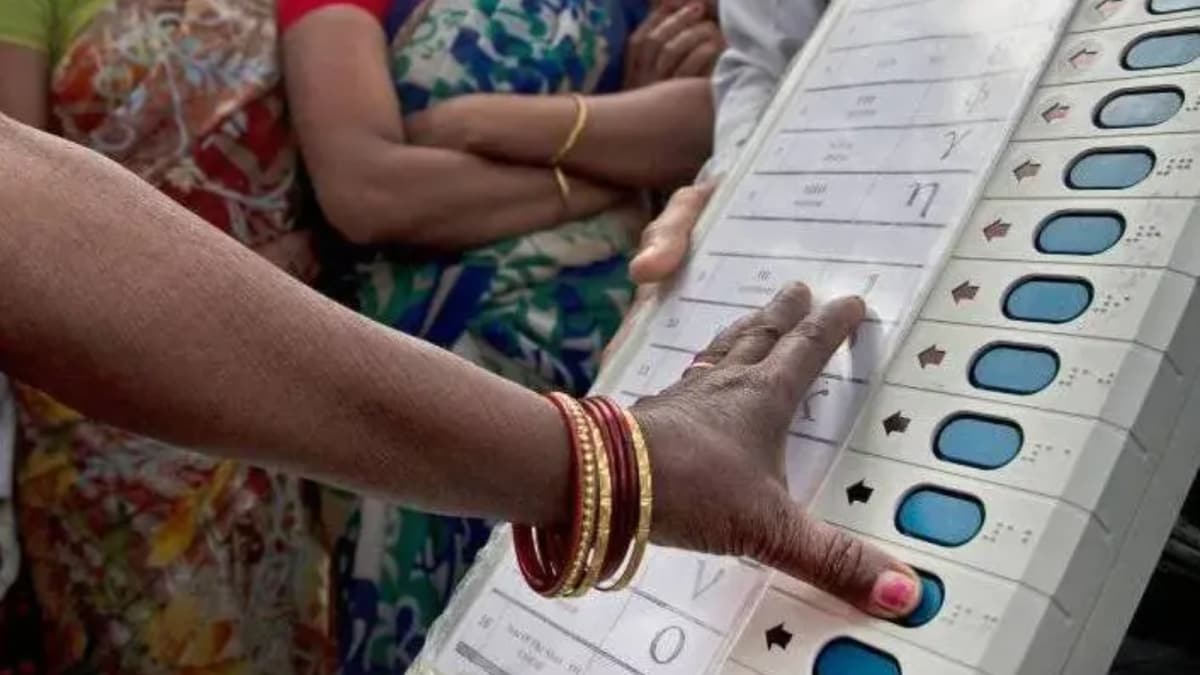
All things considered, the 2026 Tamil Nadu assembly election could be the first where the overall result is heavily swayed by online perception. With 234 seats up for grabs in a single‑phase poll on April 23 and vote counting scheduled for May 4, parties are betting that a strong digital narrative will translate into actual votes on the ground.
From where I stand, the real battle is not just about who gets the most likes, but about who can convince the undecided voter that their digital content reflects genuine concern for local issues. The parties that manage to balance flashy AI content with authentic community engagement are likely to have an edge.
In most cases, the younger electorate seems to appreciate creativity and humor, but they also want transparency. When a meme is clearly labelled as AI‑generated, it builds a tiny bit of trust. Conversely, undisclosed deepfakes can backfire, especially if the audience feels cheated.
Looking ahead: Will AI dominate future elections?
Personally, I think we are just at the beginning of a longer journey. As AI tools become more accessible, every political party – big or small – will likely have a digital strategy workshop on their roster. The challenge for Indian democracy will be to create a framework that allows creative campaigning while protecting voters from manipulation.
For now, my advice to fellow citizens is simple: whenever you see a video of a leader saying something that sounds too perfect, do a quick search, ask friends, and look for a disclaimer. A little scepticism can go a long way in a world where even a meme can be engineered to look real.
In the end, whether it’s a meme about a local festival or a deep‑fake about a national issue, the underlying message remains the same – politics is moving to our screens, and we all have a part to play in keeping the conversation honest.