What is Japanese walking and why is it making headlines?
Honestly, the first time I heard the term "Japanese walking" I thought it might just be a fancy name for a regular stroll in a Japanese garden. But when I watched a few short videos, I realized it is something quite distinct. It is a style of walking that puts a lot of emphasis on posture – you keep your spine straight, chin a little up, shoulders relaxed, and you take slightly shorter, deliberate steps while swinging your arms naturally. The whole idea is to move efficiently, using less energy for the same distance, which in turn turns an ordinary walk into a sort of low‑impact, high‑intensity workout.
People across the globe have started sharing their own versions of this practice on social media, often with the tag #JapaneseWalking. In most cases, the videos show groups of friends walking together in parks, near beaches, or even on city sidewalks, all maintaining that calm, purposeful gait. The reason it’s gaining traction is simple – it looks easy, it feels gentle on the knees, and yet you can feel your heart rate go up after a 30‑minute session.
My first encounter with the practice – a weekend in the neighbourhood park
Let me tell you how I stumbled upon it. It was a Saturday morning, the kind where the air is still a little cool, and the street vendors have just set up their stalls. I was planning my usual walk around the local park, mainly to stretch my legs after a week of desk work. While scrolling through my feed, a friend had posted a short clip of a group of people walking in synchrony, looking almost like a marching band but far more relaxed.
Curiosity got the better of me and I decided to try it out. I started by standing straight, aligning my head over my shoulders, and then I relaxed my shoulders as the video suggested. I placed my feet a little closer together than my normal stride and let my arms swing naturally, not forced. At first, it felt a bit odd – I was overthinking each step, like I was counting every tooth on a comb. But after a few minutes, the movement became smoother, and I noticed that I wasn’t panting as heavily as I usually do after a 3‑kilometre walk.
In that very moment, I realised the core principle behind Japanese walking – it’s all about making each step count, using the body’s natural mechanics, and keeping the mind present. It reminded me of how we often walk to a temple early in the morning, keeping a calm mind, but now it’s being packaged as a fitness routine.
Key elements that set Japanese walking apart
There are a few simple rules that many practitioners follow, and I found them easy to remember once I wrote them down:
- Posture: Keep the spine elongated, as if you are trying to grow a little taller. This not only improves breathing but also reduces strain on the lower back.
- Step length: Take shorter, quicker steps rather than long strides. This helps maintain a steady rhythm and reduces impact on the knees.
- Arm swing: Let your arms move naturally opposite to each leg. The swing should be comfortable, not stiff.
- Foot placement: Land softly on the heel and roll through to the toe, finishing with a gentle push off.
- Breathing: Breathe deeply through the nose and exhale through the mouth, syncing breaths with your steps.
Even though these points sound simple, most of us tend to forget them when we are walking fast or in a hurry. The beauty of Japanese walking is that once you make them a habit, they become second nature, like the way we automatically adjust our hand position while typing on a mobile keyboard.
Why it resonates with people in India
India is a country where walking is part of daily life – from the bustling streets of Delhi to the quiet lanes of a Kerala village. Yet, many of us still suffer from joint pains, especially in the knees and hips, because we often walk on uneven surfaces or wear unsuitable shoes. Japanese walking offers a gentler alternative that can be done anywhere – whether it’s the concrete pavement outside your office, the garden of your apartment complex, or the wide open fields during a weekend getaway.
In most cases, the trend has found a home in corporate wellness programmes. A few of my colleagues at a tech firm recently organised a “Morning Walk Club” where we all practice Japanese walking for 20 minutes before starting work. The result? We feel more alert, the usual mid‑morning slump is less severe, and surprisingly, the number of complaints about lower back pain has gone down.
Another reason it clicks with Indian readers is the emphasis on mindfulness. While many fitness trends focus solely on burning calories, Japanese walking subtly brings the mind into the body. It’s similar to the calm we feel during a simple prayer or while watching the sunrise over the Ganges – you’re present, you’re aware, and you’re moving with intention. That mental component makes it appealing to people who are looking for a holistic approach rather than just a sweaty gym session.
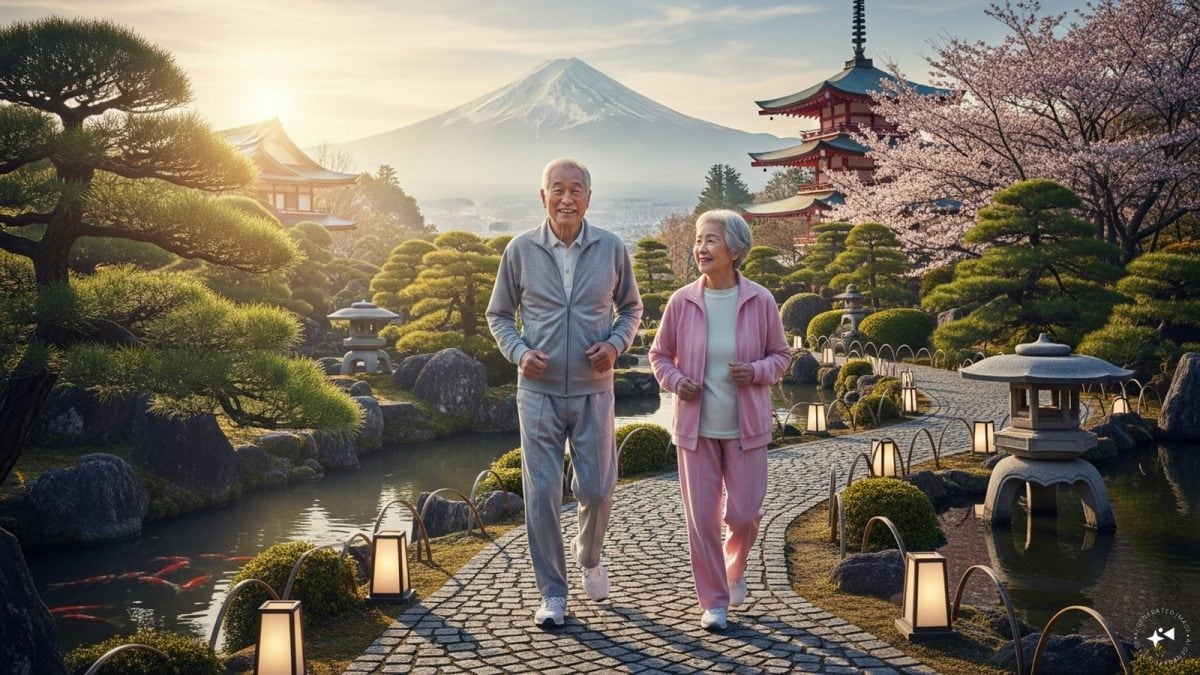
Even families have started adopting it. I’ve seen videos where grandparents and grandchildren walk together, the older generation teaching the younger one how to keep the back straight. It’s a beautiful way of bonding, and it also ensures that everyone stays active without the high impact of jogging.
Practical tips to start incorporating Japanese walking into your routine
If you’re thinking of giving it a go, here are some simple steps that helped me stay consistent:
- Choose a safe, flat route – a park, a quiet street, or even a gym treadmill. The key is to avoid steep hills at first.
- Wear comfortable shoes with good cushioning. Old sandals might do the trick, but a pair of light running shoes will make the transition smoother.
- Start with 10‑minute sessions. Focus on getting the posture right before you worry about speed.
- Use a timer or a simple playlist. I like to walk while listening to soft instrumental music; it helps keep the rhythm.
- Pay attention to breathing. Inhale for three steps, exhale for three – this simple pattern keeps you in the zone.
- Gradually increase duration to 30‑40 minutes. Because the movement is low‑impact, you can walk longer without feeling exhausted.
One little observation I made during my first few weeks was that my shoes started to wear out a bit slower than usual. The softer foot placement reduces the harsh pounding that typical jogging creates. Also, I noticed my knees felt less sore after a day of standing at a market stall, probably because the muscles around the joints got stronger.
Another tip that many Indian walkers find useful is to pick a path with some shade – for instance, the tree‑lined lanes of a residential colony. The cooling breeze adds to the comfort, and the subtle change in scenery keeps the mind engaged.
Comparing Japanese walking with other popular fitness walks
Let’s be honest, we have heard a lot about power walking, brisk walking, and even the so‑called “Nordic walking” that uses poles. In most cases, these forms also aim to elevate the heart rate, but they differ in technique.
Power walking usually encourages longer strides and faster speed, which can be harder on the knees if you’re not used to it. Nordic walking adds poles to engage the upper body, which is great for overall strength but can feel cumbersome in crowded Indian streets.
Japanese walking, on the other hand, stays gentle on the joints by keeping steps short and focusing on alignment. It does not require any extra equipment, making it perfect for a quick walk from home to the chai stall. While the calorie burn might be slightly lower than a high‑intensity power walk, the added benefit of improved posture and mental calm makes it a well‑rounded choice.
In everyday life, I found that after a week of Japanese walking, my posture while sitting at a desk improved – I was less prone to hunching. This small win encouraged me to continue, especially since I spend most of my day in front of a computer.
Final thoughts – why Japanese walking might just be the fitness trend we needed
Overall, my experience with Japanese walking has been unexpectedly rewarding. It’s a simple change – a slight tweak in how we walk – but it packs a punch in terms of health benefits. The fact that it can be done anywhere, requires no special gear, and also promotes mindfulness makes it an attractive option for busy Indians who want to stay fit without dedicating hours to a gym.
If you’re still on the fence, try it out for a few days during your regular evening stroll. Keep your back straight, take short steps, and let your arms swing naturally. You might be surprised at how quickly you feel more energetic, less achy, and a bit more centred.
So next time you step out for a walk, think of it not just as a habit, but as an opportunity to practice Japanese walking – a habit that could turn into a healthy, low‑impact, high‑intensity routine that fits seamlessly into the rhythm of Indian life.