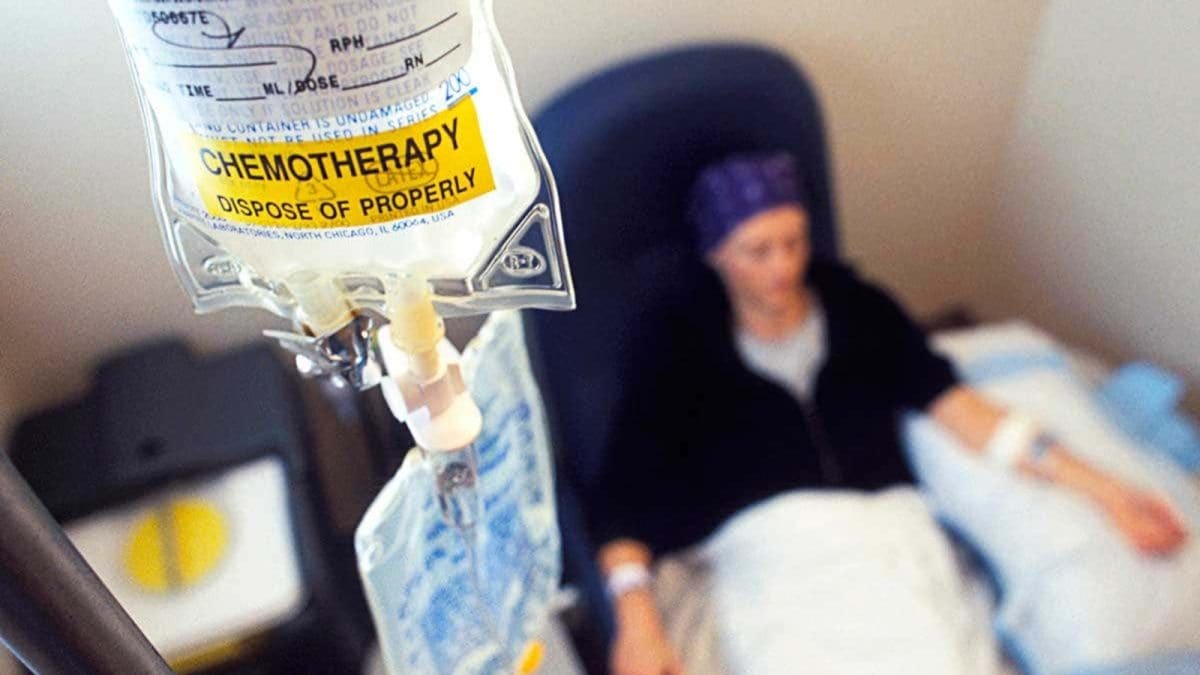
Why tiny meals beat big plates during chemo
When I first started my chemo cycles, I tried to stick to my regular routine – three big meals a day, just like the rest of my family. Within a couple of sessions, my stomach started protesting loudly. It felt like trying to fit a whole roti into a tiny stomach that suddenly shrank. I quickly realized that the bigger the portion, the worse the nausea. That’s when I switched to the classic Indian advice of eating small, frequent meals, something most of us hear from our elders but rarely practice.
Instead of a heavy biryani for lunch, I’d now have a bowl of plain rice with a spoon‑ful of dal, then later a soft banana or a glass of buttermilk. The change didn’t just calm my tummy, it also gave me the flexibility to eat whenever my appetite felt a little better – even if that meant a snack at 4 pm and another at 9 pm.
Getting a handle on nausea and vomiting
Chemo works by targeting fast‑growing cells, but unfortunately it also catches the brain’s nausea centre and the delicate lining of our gut. The result? That queasy feeling that can turn a simple cup of chai into a nightmare. I talked to Dr Sneha Kommineni, Consultant – Medical Oncology at Aster RV Hospital, Bengaluru, who gave me a short checklist that really helped.
First, stick to bland, dry foods that are easy on the stomach – think bananas, plain boiled rice, crackers, and toast. In my home, I keep a bowl of peeled bananas on the kitchen counter, just in case the urge hits. I also discovered that ginger is a godsend. Whether it’s a warm ginger‑lemon tea, a few pieces of candied ginger, or simply chewing a small slice after meals, it seems to calm the tummy in many patients.
Another tip from Dr Kommineni was to eat slowly and avoid oily or spicy dishes. That’s why I swapped my usual masala dosa for a plain idli after the first few chemo days. The softer texture and milder taste were much easier to swallow. Also, strong smells – like freshly fried pakoras or strong spices – can trigger nausea, so I started opening windows and keeping the kitchen well‑ventilated while cooking.
Hydration is key, too. I used to think a big glass of water was enough, but vomiting drains fluids fast. Coconut water, clear soups, and oral rehydration solutions became my go‑to drinks. A small cup of warm soup, especially the simple vegetable clear soup we make at home, feels soothing and keeps the fluids flowing.
Coping with loss of appetite and altered taste
Loss of appetite hit me hard. One day I could barely finish a spoon of dal, and the next I was craving something sweet but everything tasted metallic. Dr Kommineni suggested focusing on nutrient‑dense foods rather than sheer quantity. So I started adding foods that pack a punch – curd, smoothies, porridge, dal, and soups – all soft and easy to swallow.
To tackle the metallic taste, I tried a few tricks: squeezing a little lemon over my rice, adding fresh herbs like coriander or mint, and even using plastic cutlery instead of metal spoons. Believe it or not, the simple switch from a stainless steel spoon to a plastic one reduced the metallic after‑taste that was making me dread eating.
Timing also mattered. I learned to eat when my appetite was at its highest – often in the morning before the chemo session. Skipping breakfast was a no‑go because by the time the nausea kicked in, I was already starving. A light bowl of oatmeal topped with sliced banana and a drizzle of honey gave me enough energy to face the day.
Fueling the body to beat fatigue
Fatigue is another dreaded side‑effect. It’s not just feeling sleepy; it’s more like your muscles have lost the drive to work. Dr Kommineni explained that inadequate calorie and protein intake often fuels this tiredness. So I made sure to have a source of protein in every bite – be it eggs, paneer, lentils, tofu, or, on good days, a piece of grilled fish.
In my kitchen, I started preparing simple egg bhurji with a dash of turmeric and coriander, which not only gave me protein but also a bright colour that lifted my mood. For vegetarian days, a bowl of moong dal with a spoon of ghee provided both protein and healthy fat.
Complex carbohydrates such as whole grains and millets are the unsung heroes for sustained energy. I began using bajra roti or ragi porridge instead of plain white rice occasionally. The slow‑release energy helped me stay active for longer without feeling a sudden crash.
Healthy fats from nuts, seeds, and a teaspoon of ghee added extra calories without making me feel too full. A handful of roasted peanuts or a spoon of almond butter mixed into my smoothie became a quick, tasty way to boost energy.
Food safety when immunity is low
Chemo weakens the immune system, making food safety absolutely crucial. I had to become stricter about how I handled food – everything fresh, well‑cooked, and stored properly. Raw salads, especially those with unwashed Greens, became a risky choice. Unless my doctor gave me a Green light, I avoided unpasteurised dairy and raw eggs.
Cooking everything thoroughly – like boiling potatoes until they’re soft, steaming veggies well, and making sure meat is well‑cooked – became part of my routine. I also started rinsing fruits with a little salt water before eating them, just to feel safer.
Every patient’s needs differ based on the type of cancer, the stage of treatment, and personal side‑effects. That’s why Dr Kommineni stressed that nutrition plans must be individualised. I kept a simple diary – noting what I ate, how I felt after, and any side‑effects – and shared it with my dietitian, who helped tweak the plan.
Practical tips that made a difference
- Eat small, frequent meals: Instead of three large meals, I aim for 5–6 lighter portions throughout the day. This keeps the stomach settled and prevents sudden bouts of nausea.
- Choose soft, mild foods: Soups, mashed vegetables, porridge, and fruit smoothies are gentle on the stomach and easy to swallow when the appetite is low.
- Add flavour smartly: A dash of lemon, a sprinkle of fresh coriander, or a few mint leaves can mask bitter or metallic tastes that chemotherapy sometimes leaves behind.
- Stay hydrated: Sip water, coconut water, or light herbal teas frequently. Even a small glass every half hour helps prevent dehydration, which can worsen nausea.
- Don’t skip breakfast: A light breakfast stabilises energy levels before nausea sets in later in the day. A bowl of ragi porridge with a spoon of jaggery works wonders for me.
These little adjustments don’t seem like much, but over weeks they add up. My energy levels improved, my nausea reduced, and I could finish my chemo cycles with a more positive mindset.
Emotional side‑effects and the role of support
Beyond the physical challenges, loss of appetite and nausea can mess with one’s mental health. I found myself getting anxious whenever the timer on the stove beeped, fearing another round of nausea. Talking to friends in a support group, and sometimes just sharing a cup of ginger tea with my sister, helped a lot.
Family encouragement is priceless. My mother started preparing simple ginger‑lemon water and kept a jar of fresh bananas on the counter. My brother helped by washing the vegetables and making sure everything was clean before cooking. Their involvement turned what felt like a solitary battle into a shared family effort.
If you’re feeling overwhelmed, consider counselling or joining a local cancer support group. The shared experiences often bring practical tips you wouldn’t otherwise think of – like using a small handheld fan to cool the room during a hot chemo day, or keeping a diary of foods that trigger nausea.
Final thoughts – a personal roadmap
Looking back, the biggest lesson I learned is that nutrition during chemotherapy isn’t about strict diets or fancy superfoods. It’s about listening to your body, making small, sensible tweaks, and leaning on the expertise of doctors like Dr Sneha Kommineni. Small meals, bland but comforting foods, ginger for nausea, protein in every bite, and safe food handling have become my go‑to strategies.
Every day may bring a new challenge – a sudden loss of taste, a bout of fatigue, or a wave of nausea – but having a flexible, personalised kitchen plan helps you stay a step ahead. And remember, it’s okay to have off days; the important thing is to keep trying, keep sipping that coconut water, and keep sharing your journey with those who care.
If you’re going through chemo, give these suggestions a try. Adjust them to suit your own palate, your own family’s cooking style, and you’ll find that food can become a source of comfort rather than a cause of distress.