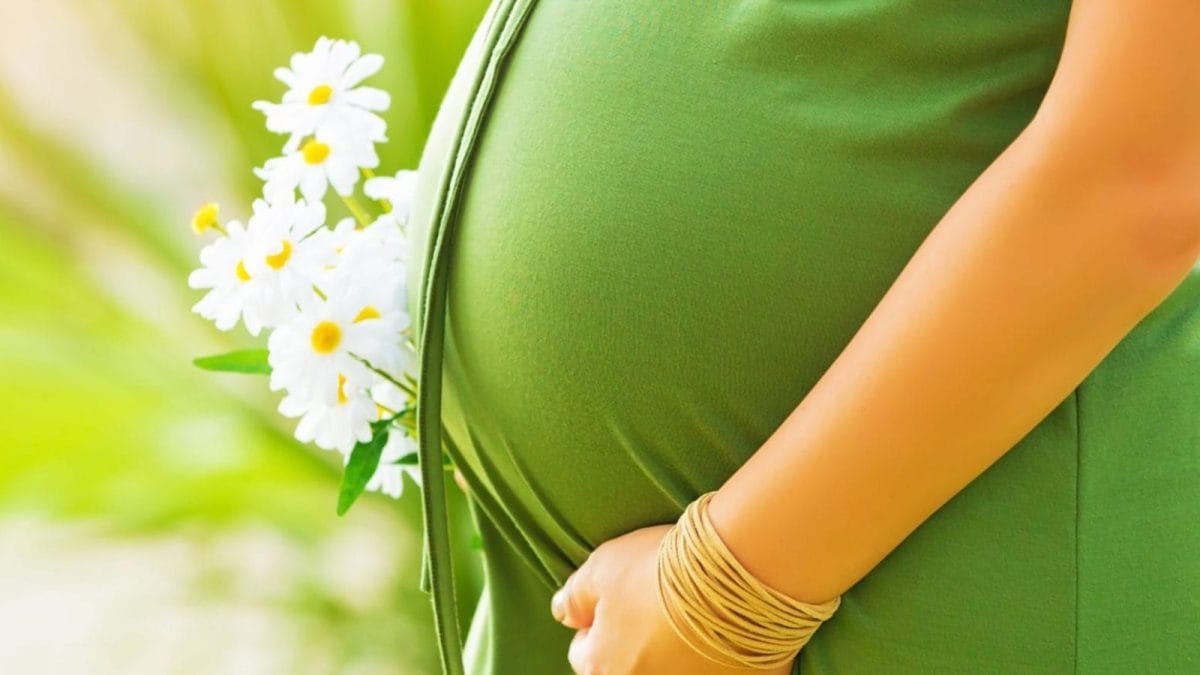
Several studies show that inhaling fine particulate matter allows tiny harmful pollutants in the placental barrier and creates an inflammatory response within the body
When I first found out I was expecting my first child, my mind was buzzing with a checklist – folic acid, prenatal vitamins, diet changes, and a tiny bit of yoga. I was confident that as long as I ate my Greens and avoided junk food, I could steer most things in the right direction. Little did I know that the air I breathed on my daily commute could be silently influencing my baby's health. It felt strange to think that something as uncontrollable as the city’s smog could be as important as the carrots I was munching on.
In India, many of us live in cities that regularly appear on lists of the most polluted places on the planet. I have friends in Delhi who tell me they can see that hazy orange hue from their balcony after a heavy traffic night. It’s not just a visual nuisance – scientific studies now show that inhaling fine particulate matter, specifically PM 2.5, can cross the placental barrier. Once inside, these microscopic pollutants trigger an inflammatory response in the mother's body, which can raise blood pressure and increase the chances of a premature birth.
To understand this better, I sat down with Dr Sahana M Gowda, a consultant‑obstetrician and gynaecologist at Motherhood Hospitals, Banashankari, Bengaluru. Dr Gowda explained that while nutrition and lifestyle are vital, the environment we live in plays an equally crucial role. She reminded me that we often hear about ‘clean air’ in the context of respiratory diseases, but for an expecting mother, the stakes are even higher – the unborn child depends entirely on the mother’s internal environment.
According to Dr Gowda, the issue isn’t just about the visible smog on the streets. It’s also about the invisible chemical cocktail hidden in the water we drink, the plastics we use, and the everyday cleaning agents in our homes. These are called Endocrine Disrupting Chemicals, or EDCs. They can mimic hormones and interfere with normal reproductive processes. For instance, the polycarbonate bottles we often buy for drinking water can leach chemicals, especially when exposed to heat. Even the perfume we dab on our wrists can contain compounds that travel through the bloodstream and reach the placenta.
From a personal standpoint, I realized that my habit of keeping a bottle of water at my desk – often left near the laptop and heated by sunlight – could be a silent risk. I started swapping those plastic containers for a stainless‑steel flask, something I already used for my tea. It felt like a small, manageable change, but Dr Gowda says that such swaps can cumulatively reduce the load of harmful chemicals the body has to process.
Heavy metals are another hidden danger, especially in water sources that aren’t properly filtered. In many Indian households, we rely on municipal water that can contain traces of lead, arsenic, or cadmium. Dr Gowda highlighted that these metals can affect the developing brain and immune system of the fetus. As a simple workaround, I began using a water purifier with a certified RO‑UV system and even started storing filtered water in a copper vessel, a traditional practice that many of us already follow for its alleged health benefits.
One of the practical pieces of advice that Dr Gowda stressed was the need for an “active defence mechanism”. She suggested that pregnant women avoid crowded, heavily polluted places, especially during peak traffic hours. If stepping out is unavoidable – like a quick trip to the market for fresh veggies – wearing a good quality mask can filter out a large portion of PM 2.5 particles. I still remember the first time I wore a surgical mask while walking through the crowded market of my neighbourhood; it felt a bit odd, but the peace of mind was worth it.
Air Quality Index (AQI) is a term that many of us hear on the news, but we rarely act on it. Dr Gowda recommends checking the AQI before planning any outdoor activity. On days when the index shoots high, she advises staying indoors, keeping windows closed, and using air purifiers if available. I started using a cheap, portable air purifier in my bedroom during the night, and even though it made a faint humming noise, I could sleep more peacefully knowing the air was cleaner.
Beyond avoiding pollutants, Dr Gowda also talked about foods that help combat oxidative stress caused by toxins. She mentioned berries, citrus fruits, and pomegranate as powerful allies because they are rich in antioxidants. I began adding a small bowl of fresh strawberries to my morning breakfast and swapping regular orange juice with a fresh pomegranate juice occasionally. Not only did it taste great, but I felt more energetic during my prenatal yoga sessions.
Steam inhalation, a practice many of us use during the monsoon to clear nasal congestion, also serves a purpose during pregnancy. Dr Gowda suggested that a simple steam session with a few drops of eucalyptus oil after returning from a polluted environment can help cleanse the nasal passages and reduce the amount of particulate matter that settles in the upper respiratory tract.
When it comes to cleaning the home, harsh chemical cleaners can release volatile organic compounds (VOCs) that further add to the indoor pollution burden. Instead of store‑bought bleach or aerosol sprays, Dr Gowda recommends natural alternatives like vinegar and baking soda. I swapped my regular floor cleaner for a mix of warm water, a tablespoon of vinegar, and a pinch of baking soda. The house smells fresh, and I no longer worry about exposing my baby to unknown chemicals.
Even the choice of cookware can make a difference. Heated plastic containers are a no‑go, especially for reheating food in a microwave. Opting for glass or stainless‑steel containers not only avoids leaching of chemicals but also preserves the taste of the food. My family has started using glass lunch boxes for packed meals, and the kids actually enjoy seeing their food in clear containers.
One habit that many expectant mothers overlook is the consumption of herbal teas, like Tulsi (holy basil). Tulso tea, made with fresh leaves and a little honey, is gentle and soothing. Dr Gowda pointed out that Tulsi has anti‑inflammatory properties and can aid in managing stress, which is crucial during pregnancy. I now drink a warm cup of Tulsi tea in the evenings, especially when the day has been stressful.
All these measures – from wearing masks, checking AQI, choosing safe water containers, to eating antioxidant‑rich foods – may seem like a lot. But Dr Gowda emphasizes that each step, however small, builds a protective shield around both mother and baby. The underlying message is clear: the health of the mother and the purity of her environment are intimately linked, and both need attention.
Reflecting on my own journey, I realize that the simple act of being aware has transformed my daily routine. The moment I started checking the AQI before stepping out, or the habit of swapping a plastic bottle for a stainless‑steel one, I felt more empowered. It’s not about living in fear of pollution, but about making conscious choices that reduce risk.
In the broader picture, protecting the next generation isn’t just a personal responsibility. Communities, governments, and healthcare providers need to work together to improve air and water quality. Until then, each of us can contribute by adopting these small, practical steps in our homes. As Dr Gowda concludes, the ultimate goal is to ensure that a child’s environment – both inside the womb and beyond – is as healthy as the medical care they receive.