Why I started paying close attention to the judge’s resignation
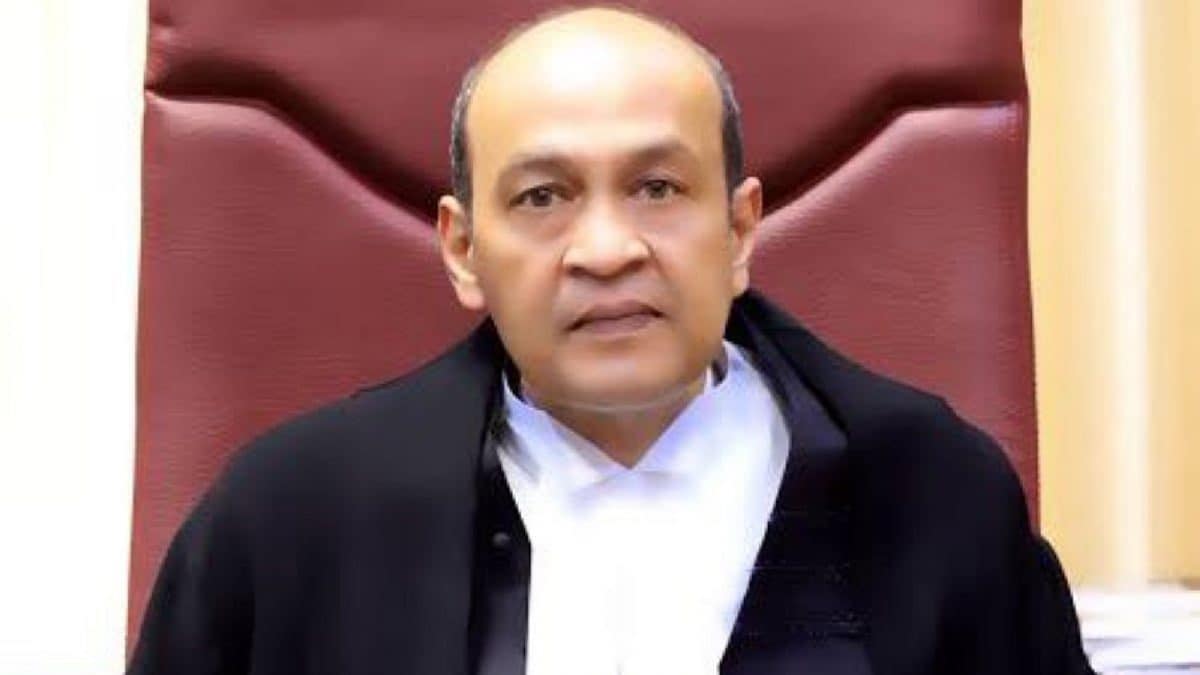
Honestly, I was just scrolling through my morning newspaper on the train when I saw the headline about a High Court judge quitting. It struck me because not many judges ever resign, especially not in the middle of a big controversy. The name that popped up was Justice Yashwant Varma, a name I’d heard a few times in legal circles but never really followed. So, I decided to dig a little deeper, mostly out of curiosity and a bit of concern – after all, when a sitting constitutional court judge steps down, it feels like a big deal for the whole judicial system.
What made it more interesting for me was that the resignation wasn't just a quiet exit. It was accompanied by a strongly worded letter addressed to a Lok Sabha‑appointed inquiry panel. The panel itself consisted of heavyweights: Supreme Court judge Aravind Kumar, Bombay High Court Chief Justice Shree Chandrashekhar, and senior advocate B.V. Acharya. The fact that such a team was probing a sitting judge already sounded unusual to my ears.
The fire, the cash and the sudden media storm
According to the reports I read, a fire broke out at Justice Varma’s official residence in Delhi. The blaze was put out quickly, but during the aftermath, officials discovered a sizeable amount of unaccounted cash hidden in the premises. The whole thing blew up in the news like a sudden monsoon downpour – one day there was a fire, the next day every news channel had a panel with ‘cash” flashing on their screens.
For a long time, I remember listening to the radio discussion where pundits kept mentioning how rare it was to see a sitting judge embroiled in such a financial controversy. Some said it could be a political ploy; others argued it might be a genuine case of misconduct. In most cases, the public narrative seemed to be shaping itself before any concrete evidence was presented.
That’s when I started noticing the pattern of ‘pre‑determined conclusions’ that Justice Varma would later highlight in his own words. The narrative seemed to have already decided his guilt, and the courtroom drama was unfolding in the public domain rather than behind the closed doors of a proper inquiry.
Reading the judge’s letter – a mix of sadness and defiance
When I finally got my hands on the 13‑page letter that Justice Varma sent to the panel, I felt a strange mix of empathy and intrigue. The letter was addressed respectfully, but the language was anything but neutral. He spoke of “unfairness from its very inception” and warned that “history will record the unfairness with which a sitting High Court Judge was treated.” It was as if he was writing a personal diary, but also a formal protest.
He mentioned that he had already submitted his resignation to President Droupadi Murmu. This act, in my view, was the ultimate expression of his frustration – he chose to leave the bench rather than endure a process he believed was riddled with bias. The resignation, in his own words, was a decision made with “deepest sadness” because he understood the gravity of stepping down from such a lofty position.
What struck a chord with me was the personal tone. He wrote about the lack of a “meaningful opportunity to defend himself,” and how key procedural safeguards were either weakened or ignored. It felt less like a legal document and more like a man telling his side of the story to a friend who might be listening.
Procedural lapses – what the judge saw as unfair
According to Justice Varma, the inquiry panel failed right at the start. He pointed out that the rules governing such probes were not followed properly. For instance, he said that he was not given adequate time to respond to the allegations, and that the panel’s proceedings moved forward as if his defence was already irrelevant.
He also highlighted that the panel, despite being composed of senior judges and a veteran advocate, seemed to have a “predetermined” stance. The judge’s feeling was that the panel had decided he was guilty even before examining the evidence. In most cases, a fair investigation would give the accused a chance to explain, but that opportunity, he claimed, was missing.
From a personal standpoint, I could see why this would feel like a betrayal of the very principles that the judiciary stands for. When the people responsible for safeguarding justice appear to sidestep the rules, it sends a worrying signal to everyone who believes in the system.
Questioning the video evidence – a chain of custody issue
One of the most striking parts of the letter was Justice Varma’s attack on the video recordings that allegedly showed cash at his residence. He argued that these videos were taken without his knowledge and that the chain of custody was shaky at best. He noted that the recordings lacked proper authentication, and there were no clear marks of who handled the footage before it was presented to the panel.
He said that because the videos could not meet the required standards of credibility, they should not have been used as a basis for the accusations. I remember a friend who works in forensic IT telling me that without a proper audit trail, any video can be tampered with. That made his point feel even more logical to me.
He also emphasized that no direct link had been established between him and the cash. In other words, the videos might have shown money, but they didn’t prove that the judge owned it or that he was involved in any wrongdoing. This point, to my mind, made the whole investigative approach look shaky.
Public vilification – the media’s role
Justice Varma didn’t just complain about the panel; he also castigated the media and the public narrative that, in his view, already branded him as guilty. He referred to a “sensational narrative” that circulated rapidly, accompanied by the videos he deemed unreliable. The judge felt that this narrative undermined the presumption of innocence, a principle that is supposed to protect every citizen, including a judge.
When I think about the news channels and social media feeds that were abuzz with the scandal, I realise how quickly a story can turn into a ‘trial by media’. The judge mentioned that the public vilification damaged his reputation before he could offer any defence. It reminded me of a couple of senior lawyers I know, who once said that once a name is splashed on a headline, it sticks like gum on a shoe.
In most cases, the line between reporting and sensationalising gets blurred, and Justice Varma’s experience seems to be a clear example of that. He felt that the entire episode was “marked by unfairness from its very inception”, and the media frenzy only added fuel to the fire.
The resignation: a personal and professional crossroads
The act of resigning from a High Court is not something taken lightly. Justice Varma wrote that he did so with a heavy heart, knowing the gravity of his decision. He hoped that history would one day look back and judge the episode fairly, recording the “unfairness” he endured.
From a personal perspective, I could sense the internal conflict he experienced. On one hand, he was a judge sworn to uphold the law; on the other hand, he felt trapped in a process that denied him a fair chance to defend himself. The decision to step down, therefore, became both an act of protest and an acknowledgement of the limits of his own influence within the system.
He concluded his letter with a statement that conveyed both sadness and a quiet resolve. The judge’s words resonated with me because they reflected a feeling many of us have when confronted with an institution that appears to have turned against us.
Reflections on the broader impact
Reading through the entire episode – the fire, the cash, the inquiry panel, the media storm, and finally the resignation – left me pondering about the health of judicial independence in our country. If a sitting judge can be subjected to such a public and arguably unfair probe, what does that mean for lower‑court judges and for the overall trust the public places in the judiciary?
Moreover, the case highlighted the importance of strict procedural safeguards. When those safeguards appear to be ignored, the fallout can be severe, not just for the individual involved but for the entire system’s credibility. It reminded me of a conversation I once had with a senior advocate who stressed that the process is as important as the outcome, especially for matters involving high‑profile public servants.
One also cannot ignore the role of the Lok Sabha‑appointed panel. While its composition seemed to bring together eminent personalities, the perception that it acted with a predetermined bias raises questions about how such panels should be constituted and what checks should be placed on them to ensure genuine fairness.
What I take away from Justice Varma’s story
For me, the whole saga is a reminder that no one – not even a judge – is immune to the complexities of politics, media, and public opinion. It also teaches that when an institution meant to uphold justice fails to follow proper rules, the damage goes beyond one individual; it erodes confidence in the entire legal framework.
Justice Varma’s resignation, his heartfelt letter, and his call for history to remember the unfairness he faced have stayed with me. Whenever I discuss judicial matters with friends or read about similar cases, I recall his words about the need for fairness from the very start. It’s a lesson that I think many of us, especially the younger generation aspiring to be part of the legal field, should keep in mind.
In the end, whether history judges him kindly or not, Justice Yashwant Varma’s experience will likely serve as a case study on how procedural lapses, unreliable evidence, and premature public judgement can combine to create a storm that even the highest courts struggle to weather.