First Impressions at Islamabad Airport
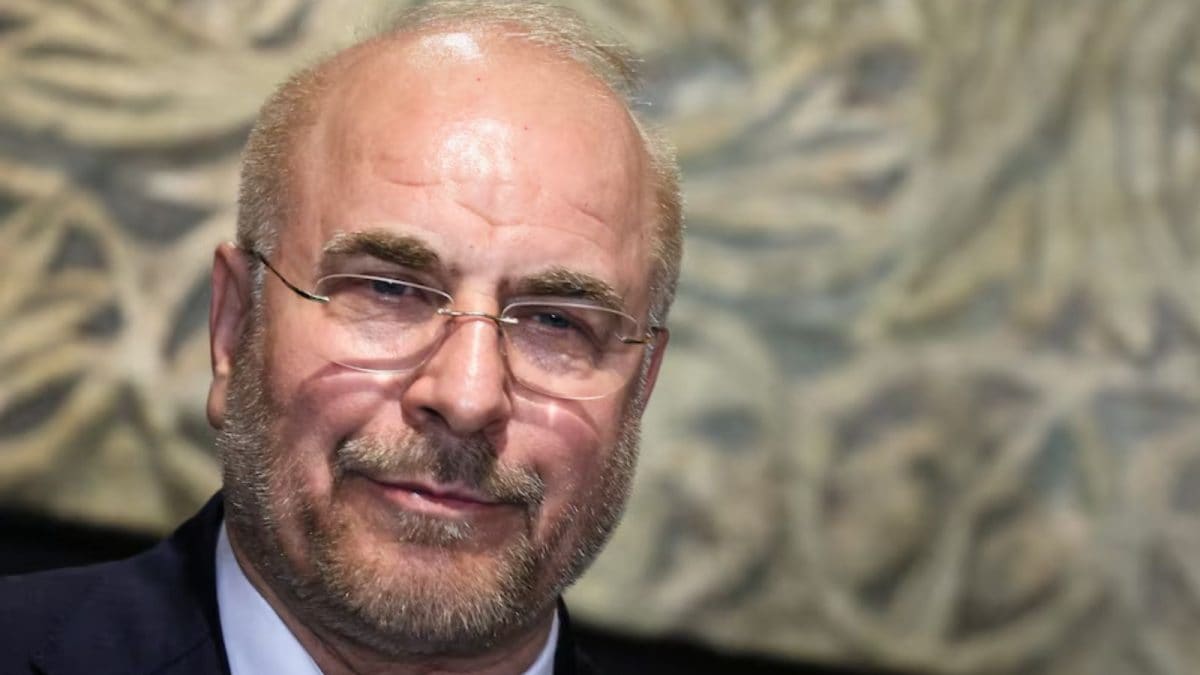
When I stepped out of the arrival hall at Islamabad airport, the air was buzzing with a mix of excitement and nervous energy – the sort of feeling you get at a cricket stadium just before a big match. There were reporters with microphones, security personnel in crisp uniforms, and a few curious onlookers clutching coffee cups. In the middle of it all stood Iran Parliament Speaker Mohammad Bagher Qalibaf, looking calm yet clearly aware that the world was watching every movement.
As I watched Mohammad Bagher Qalibaf address a cluster of journalists, I could feel the weight of history pressing on his shoulders. He reminded me of the way senior professors in Indian universities speak – measured, confident, and with a hint of warning in their tone. "Twice within less than a year, in the middle of negotiations, and despite the Iranian side’s good faith, they attacked us and committed numerous war crimes," Mohammad Bagher Qalibaf said, pointing to past interactions with United States.
His words carried a familiar rhythm for many of us who have seen diplomatic promises turn into broken promises at home. The phrase "goodwill but no trust" struck a chord – it’s like promising to share a mango but keeping the bite hidden because you’re not sure the other side will honor the deal.
Goodwill Without Trust – What It Means for the Talks
In most cases, when a country says it holds goodwill, it hopes to open a door for dialogue. But adding "no trust" to that sentence is like saying the door is jammed. Mohammad Bagher Qalibaf made it clear that Iran remains open to reaching an aGreement, but only if United States recognises the rights of the Iranian people. This conditional willingness is crucial – it tells the United States that any progress will hinge on respect for Iranian sovereignty.
During the interview, Mohammad Bagher Qalibaf warned that Tehran would rely on its own capabilities if United States treats the negotiations as a "show" or a "deception operation." It reminded me of the old saying back home: "If you cannot trust the neighbour, you build your own fence." In practical terms, this means Iran will keep strengthening its defensive posture, ensuring that even if talks falter, it can still protect its strategic interests.
The backdrop to this cautionary note is the series of recent defensive and retaliatory actions that Iran has taken. These actions have demonstrated a readiness to protect sovereignty and respond firmly to threats – a point Mohammad Bagher Qalibaf underscored as evidence of Tehran’s resolve.
The Context – Why These Talks Matter
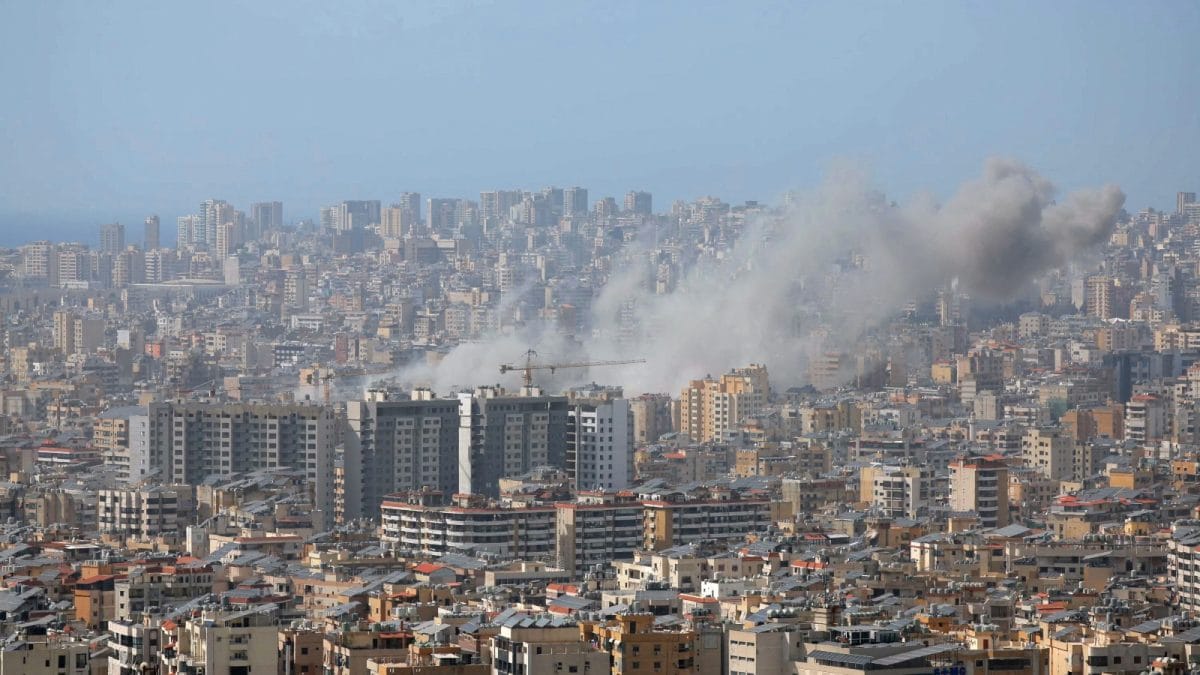
For many of us following the news, it’s easy to lose sight of how deeply intertwined the current diplomatic dance is with everyday life. The war that began with United States and Israeli strikes on Iran on February 28 has already claimed thousands of lives. It has also sent ripples through global markets, raising oil prices and affecting the cost of petrol at our local pumps.
Now, the Islamabad talks mark the first direct high‑level engagement between United States and Iran since a tentative ceasefire was announced earlier this week. The agenda is heavy: Iran’s nuclear programme, the lifting of the Strait blockade, and broader terms to end a conflict that has shaken economies across continents.
When Mohammad Bagher Qalibaf talked about the need for United States to acknowledge Iranian rights, I thought of the countless families in Mumbai, Delhi, and smaller towns who depend on stable oil prices for their daily commute. A resolution that eases tensions could stabilise fuel costs and bring a sigh of relief to many households.
Personal Observations on the Atmosphere in Islamabad
Walking from the airport to the designated hotel where the delegation would stay, I noticed how the city’s usual hustle seemed slightly subdued. Perhaps the locals sensed the significance of the day. Street vendors sold chai and samosas, and a few of them whispered about the importance of peace for trade routes that pass through the region.
In a small tea stall, a man in a crisp kurta asked me about my thoughts on the talks. I told him that if Iran and United States could find common ground, it would be like finally fixing a leaky tap after months of drips – a relief that would benefit everyone. He nodded, adding that peace between neighbours is always better than a constant headache.
Back at the hotel, I joined a press briefing where Mohammad Bagher Qalibaf reiterated the same message: goodwill is present, trust is missing. He also mentioned that Iran’s recent actions were not just reactive but proactive measures to safeguard its borders. It felt like watching a seasoned captain explain the need to keep the ship steady even if the weather turns rough.
Analyzing the Statements – What to Expect Next
Let’s break down the core message: Iran’s Parliament Speaker Mohammad Bagher Qalibaf is signalling that while doors are open, they are guarded. The United States must understand that any attempt to treat the dialogue as a theatrical display will backfire. In simple terms, if United States comes with hidden agendas, Tehran will simply turn inward and rely on self‑sufficiency.
Practically, this could mean Iran will continue to develop its strategic capabilities, whether in nuclear technology or military preparedness, unless it sees genuine respect from United States. The phrase "deception operation" is strong – it suggests past experiences have left a bitter taste, making Iran wary of future overtures without concrete actions.
For the negotiations themselves, the focus on the nuclear programme and the Strait blockade is critical. The Strait of Hormuz is a vital maritime chokepoint for oil shipments – any disruption there has a domino effect on fuel prices in India, especially in the metros where transport costs already cut into family budgets.
Meanwhile, the broader goal of ending the war that started with United States and Israeli strikes remains central. The human cost is still fresh in the minds of many — families gathering for evening prayers, children waiting for school buses, all under the shadow of an ongoing conflict.
Reflections on Trust in International Relations
Trust, as Mohammad Bagher Qalibaf highlighted, is not given lightly. In most cases, it is earned through consistent actions. The phrase "goodwill but no trust" resonates with many of us who have experienced broken promises at personal or political levels. It reminds me of the old saying, "Trust is like a paper, once crumpled, it can’t be smooth again."
In practice, building trust between Iran and United States will require small, verifiable steps. Like when two neighbours decide to share the cost of water for a garden – they start with a clear aGreement on measurement, then gradually expand cooperation. If United States can demonstrate genuine commitment to acknowledging Iranian rights, perhaps the trust gap can start to close, even if slowly.
From a personal standpoint, watching these talks unfold from my modest desk in a co‑working space in Bengaluru, I feel a mix of hope and scepticism. Hope that the diplomatic effort will translate into tangible relief for everyday people, scepticism because history often repeats itself when lessons are not learned.
Conclusion – A Cautious Optimism
As the days progress and the Islamabad talks continue, the world will be watching how Iran Parliament Speaker Mohammad Bagher Qalibaf and United States navigate the delicate balance of goodwill and mistrust. The stakes are high – from the safety of families caught in the crossfire to the price of petrol at our local pump.
My personal take is that while Iran’s stance of relying on its own capabilities if United States treats the talks as a show may seem tough, it is also a realistic signal to protect its interests. The hope lies in whether United States can respond with genuine respect for Iranian rights, turning goodwill into something more solid than words.
Until then, I’ll keep sipping my chai, watching the news, and wishing for a day when diplomatic conversations are not just headlines but real steps toward peace that everyone, from Kolkata to Karachi, can feel in their daily lives.