What happened: A quick snapshot
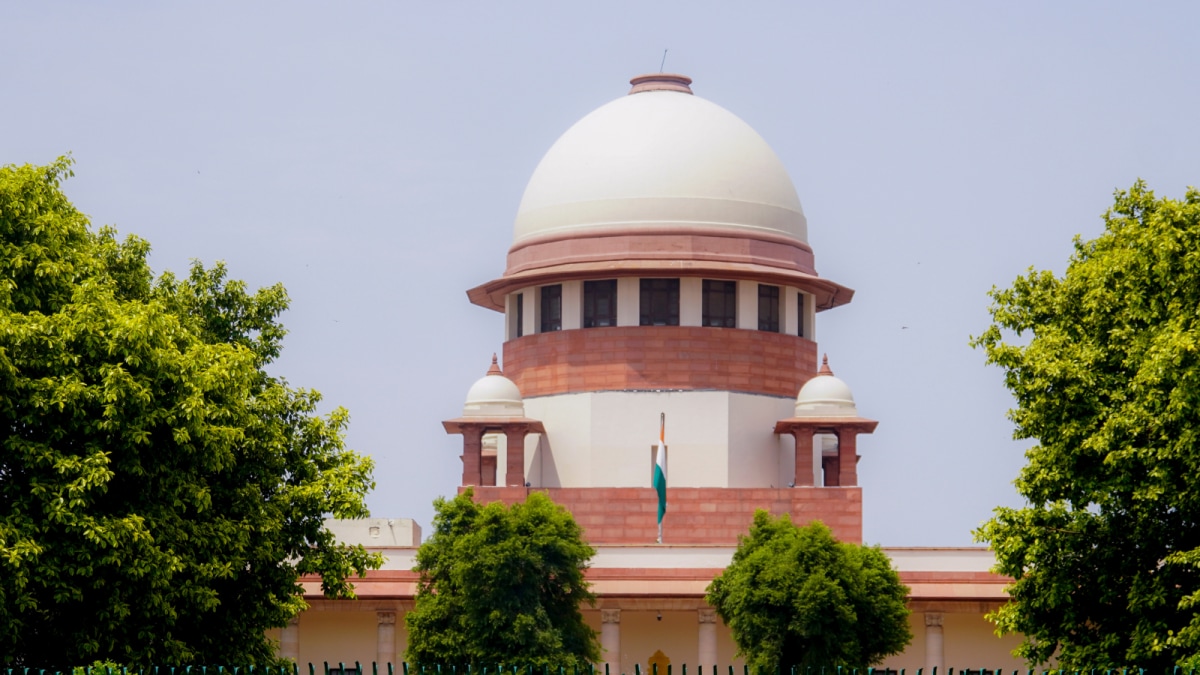
Last week the Supreme Court gave a much‑needed Green signal to a transwoman, Jane Kaushik, who wants to apply for a teaching job in Delhi government schools. The court said she can now put her name in under the "transgender" column on the Delhi Subordinate Services Selection Board’s (DSSSB) Online Application Registration System, popularly called the OARS portal.
But the story does not stop there. The judges also promised to look at a bigger set of demands that Kaushik has made – things like separate vacancies for transgender candidates, a special recruitment policy and some relaxations in age and qualification norms. All of this is aimed at bringing the Transgender Persons (Protection of Rights) Act, 2019 and the 2020 Rules into real life.
Who is Jane Kaushik and why this matters
Jane Kaushik, a 31‑year‑old with deGrees in political science, education and early childhood care, filed the petition after she hit a wall on the OARS portal. The system only gave the options "male" or "female", so when she tried to register as a transgender applicant, it simply stopped her. She told the court that this tiny technical glitch was actually blocking a whole class of people from a decent livelihood.
Listen, if you have ever tried to book a train ticket for a relative and the website refuses to accept the correct name or age, you will understand the frustration. For Jane, the problem is not about a typo; it is about an entire identity being erased from a government process.
Her case also shines a light on a broader issue: many public‑sector job portals across India still operate on a binary notion of gender. The same thing happened to my cousin when she tried to apply for a clerical post in a state government office – the form insisted on "Mr." or "Ms." and there was no space to mention anything else. So, while Jane’s situation is unique, the underlying problem feels familiar to a lot of us.
The court’s interim relief – what does it actually mean?
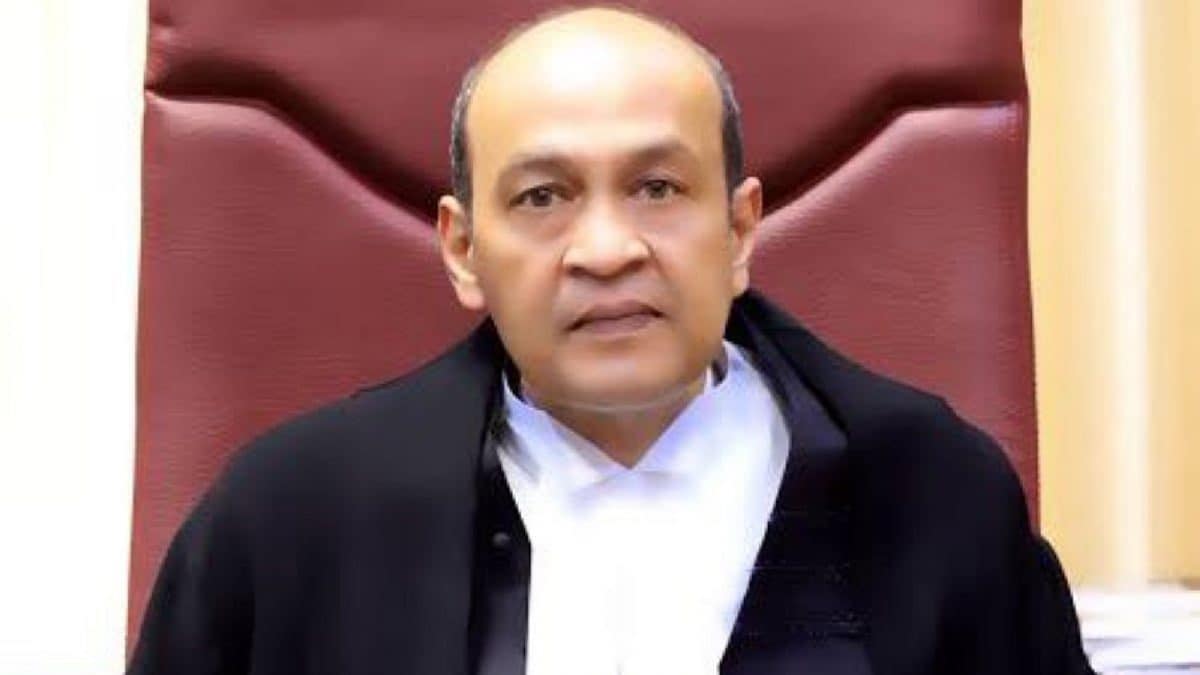
Justice J.B. Pardiwala and Justice K.V. Viswanathan, acting as a bench, granted what they called "interim relief". In plain words, they told the DSSSB that the portal must allow Jane to submit her application under the transgender category, and that her application should not be rejected just because the form was originally designed for only two gender options.
It sounds simple, but it is a big deal. The judges also referenced an earlier order from a single judge of the Delhi High Court that had already allowed Jane to apply under the transgender label. By echoing that order, the Supreme Court made sure there is no back‑and‑forth for Jane while the bigger matter is being examined.
In most cases, an interim relief is like a temporary permission – it does not decide the final outcome, but it stops the status‑quo from causing irreparable harm. For Jane, it means she can now actually put her name forward for teaching posts, instead of watching the vacancy list pass her by.
The wider plea – separate vacancies and a new policy
Beyond the immediate issue of the portal, Jane’s petition seeks a more structural change. She is asking the Delhi government, the Directorate of Education, the Department of Social Welfare and even the Union government to do a few things:
- Notify separate vacancies specifically earmarked for transgender candidates in teaching posts.
- Frame a dedicated recruitment policy that recognises the unique challenges faced by transgender persons.
- Grant relaxations in age limits and qualification requirements, as is allowed under the Transgender Persons (Protection of Rights) Act, 2019.
All these demands are anchored in the 2019 Act and the Rules drafted in 2020, which say no one should be discriminated against in employment. Yet the Supreme Court has previously called these statutory protections a "dead letter" because they are seldom put into practice.
Think of it like having a traffic rule that says “no honking after 10 pm”, but no police officer ever enforces it. The rule exists, but people keep breaking it because there is no enforcement. Jane wants the authorities to actually enforce the rule for transgender job‑seekers.
Legal backdrop – High Court and Supreme Court decisions
The Supreme Court’s current order builds on a series of earlier judgments. Back in January 2023, Justice Prathiba M Singh of the Delhi High Court had already allowed Jane to apply for teaching posts as a transgender candidate. The judge also directed that her application be processed irrespective of how the vacancy notice was worded.
At that time, the High Court noted that Jane’s academic qualifications – political science, education, early childhood care – were perfectly suitable for the teaching posts she was eyeing. The roadblock was not her merit, but the fact that the recruitment notifications and the online portal were designed for a binary gender system.
Fast forward to a recent Supreme Court judgment (October 2025), the apex court remarked that the statutory safeguards for transgender persons have become “dead letters” because they are not being implemented effectively. To address this, the Court set up an eight‑member advisory committee led by former Delhi High Court judge Justice Asha Menon. The committee’s job is to draft an Equal Opportunity Policy covering not just employment, but also education, healthcare and other public sectors.
So, the present order is not an isolated case; it is part of a larger judicial effort to push the government to move from paper‑based promises to real‑world actions.
Why it matters for everyday Indians
On the surface, this looks like a legal tussle about a single applicant. But the ripple effect can reach many ordinary people. Imagine a small town in Uttar Pradesh where a government school needs teachers. If the recruitment process continues to ignore transgender applicants, whole sections of society will miss out on both jobs and qualified educators.
For many families, teaching is seen as a stable, respectable career. Transgender youths often face rejection not only from families but also from employers. A clear policy that earmarks vacancies and relaxes certain criteria could open doors for countless aspiring teachers who have been forced to look for informal jobs or stay unemployed.
When I was in college, I had a friend who wanted to become a school teacher but dropped the idea because the government job advertisement seemed “too rigid”. He never told me why, but later I learned that his gender identity made the process unwelcoming. Stories like his are why this case feels personal, even if I am not directly involved.
Possible challenges and next steps
Even with the interim relief, there are practical challenges ahead. The DSSSB will have to modify its OARS portal quickly – a technical change that may need proper testing. The Delhi government must also consider how to issue separate vacancy notifications without violating other employment norms.
There might be push‑back from sections of the bureaucracy that claim separate vacancies could be seen as preferential treatment, or that adjusting age limits could set a precedent for other groups. The courts will likely have to balance these concerns with the mandate of the 2019 Act.
Moreover, the eight‑member advisory committee headed by Justice Asha Menon will have a heavy task. Drafting an Equal Opportunity Policy that satisfies legal standards, is implementable on the ground, and wins political support is no small feat. The committee’s recommendations may take months, if not years, to crystallise into actual rules.
Public reaction – a mix of hope and skepticism
In the weeks following the verdict, social media in India lit up with comments. Many trans rights activists cheered the decision, saying it was a “small but significant victory”. Some teachers’ unions, however, expressed concerns about the logistics of creating separate vacancy lists.
On the streets, I overheard a conversation at a tea stall in Delhi: “If the government really wants to give us chances, they should stop making these portals so narrow.” Another shopper at a local market said, “I think it’s about time we treat everyone equally, but I also hope this does not become a token move.” These snapshots show the kind of mixed feelings that exist across the country.
What this could mean for the future
If the Supreme Court’s larger hearing leads to a clear policy, it could set a precedent for other states. Many states still use similar online portals – and many of them have the same binary gender options. A change in Delhi could act as a template, encouraging other state governments to upgrade their systems.
Beyond the bureaucracy, it could also shift public perception. When a high‑profile case like this gets news coverage, it brings the conversation about transgender rights into everyday households. Parents, teachers, and students begin to ask questions, and that is the first step toward acceptance.
For Jane, the immediate win is being able to apply. For the broader community, the real victory will be if the court’s broader directions translate into a genuine, on‑the‑ground policy that makes the “dead letter” protections alive again.
Conclusion – a step forward, but the road is still long
All in all, the Supreme Court’s interim order is a hopeful sign that the Indian judiciary is willing to nudge the government toward inclusive practices. It reflects an understanding that bureaucratic technicalities, like a dropdown menu with only "male" and "female", can have serious human consequences.
Yet, as anyone who has watched a long legal battle knows, the real change comes after the dust settles – when policies are drafted, when portals are updated, when teachers are finally hired without discrimination. Until then, the story of Jane Kaushik remains a reminder that rights are not just written on paper; they have to be lived out, one application at a time.
For anyone who has ever felt stuck behind a computer screen because the system does not recognise them, Jane’s fight feels like a personal one. And maybe, just maybe, this case will make the system a little kinder for the next person who tries to apply.