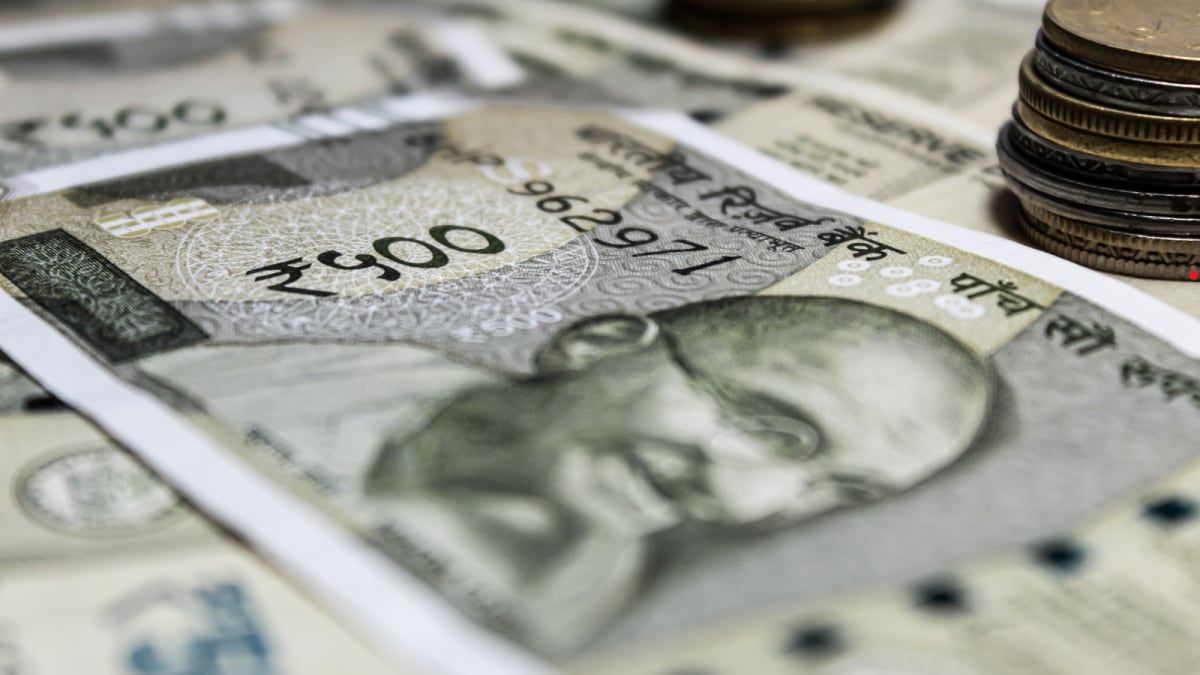
Gold reserves saw a sharp increase of $7.221 billion to $120.742 billion, accounting for a significant portion of the overall rise in reserves during the week ended April 3.
Alright, let me tell you how it felt when I read the latest RBI numbers. It was like watching my own savings grow after a tough month. The headline number – a $7.221 billion jump in gold holdings – isn’t just a line in a report; it’s the kind of surge that makes you pause while you’re sipping chai on a rainy morning and think, “Wow, our vault of gold is getting heavier.” In India, gold is more than an investment; it’s a cultural staple, whether it’s a wedding necklace or a family heirloom. So when the Reserve Bank of India tells us that the country now holds $120.742 billion worth of gold, it feels like a collective boost to our financial safety net.
Reserves rebound after recent pressure
Now, the bigger picture is that India’s total foreign exchange reserves rose by $9.063 billion to $697.121 billion in the week that ended early April. To put it simply, after a dip of $10.288 billion in the preceding week – when the reserves fell to $688.058 billion – the numbers have turned around dramatically. I remember the buzz in the market back then; traders in Mumbai’s Dalal Street were whispering about a possible slip in the rupee, and even small shop owners were checking rates before ordering foreign goods. The volatility stemmed largely from the West Asia conflict, which sent shockwaves through global markets and put additional pressure on the rupee. The RBI, like a seasoned captain, stepped in with dollar sales to steady the ship, and that decisive action is visible in the rebound we see now.
In most cases, when there’s geopolitical tension, the Indian rupee experiences a bit of a wobble because investors start looking for safer havens. So, when the Reserve Bank of India intervenes, it’s not just a statistical move; it’s a real‑world effort that protects our everyday purchases – from imported oil for a diesel generator in a village to the cost of a mobile phone that a student needs for online classes. The recent bounce back tells me that the RBI’s policy steps are working, at least for now.
Foreign currency assets edge higher
Looking under the hood, the foreign currency assets (FCA) – the biggest chunk of the reserve basket – grew by $1.784 billion to $552.856 billion. That might sound like a modest number compared to the gold surge, but it’s still a vital piece of the puzzle. These assets are held in dollars, euros, pounds, yen and other major currencies, and their value changes with exchange‑rate movements. When the rupee weakens, the dollar‑denominated portion of the FCA actually looks stronger on paper, which partly explains the rise.
From a personal angle, think of it like this: you have a savings account in a bank that offers multiple currency options. If the Indian rupee loses value against the US dollar, the dollar part of your account suddenly becomes worth more in rupee terms. That’s essentially what’s happening with the Reserve Bank’s foreign currency holdings. The $1.784 billion increase isn’t just a number; it’s a cushion that helps the RBI manage any sudden outflows if investors decide to pull money out of the Indian market. It’s like having an extra layer of security for the country’s external obligations, from oil imports to external debt repayments.
Gold drives the bulk of gains
But let’s circle back to the star of the show – gold. The $7.221 billion jump in gold reserves contributed the lion’s share of the overall $9.063 billion rise in total reserves. Essentially, if you strip away the FCA increase, gold alone lifted the whole figure by almost 80 per cent. That’s huge, especially for a country where gold is deeply woven into cultural and financial fabric.
Imagine you’re at a jewellery market in Jaipur, watching the glittering collections on display. The price of gold fluctuates daily, and a rise in the RBI’s gold holdings often mirrors those market moves. When the RBI adds more gold to its vaults, it’s partly because they bought at a favourable rate or because they decided to hold more as a hedge against currency volatility. For an ordinary Indian, that means the safety net that underpins our gold jewellery – the very assets many families keep as a generational store of value – is now reinforced at a national level.
In most cases, the Reserve Bank keeps a sizable gold reserve as a “liquidity backstop”. If there’s ever a sudden need for foreign exchange – say, a spike in import bills or a crisis that forces the country to sell other assets – gold can be quickly mobilised. That’s why this surge feels reassuring, not just on paper but also in everyday conversations about financial security.
SDRs and IMF position
Besides gold and foreign currencies, the RBI’s reserve composition includes Special Drawing Rights (SDRs). These are international reserve assets created by the IMF. In the latest week, SDRs ticked up by $58 million, bringing the total to $18.707 billion. While the increase is relatively small, it adds another layer of diversification to the country’s asset pool.
Meanwhile, India’s position with the IMF remained steady at $4.816 billion. That number hasn’t changed since the previous reporting week, but the stability itself is worth noting. It tells us that the country’s quota and borrowing capacity with the IMF stay intact, offering a safety valve if the global financial environment becomes tougher.
Even though these figures might seem like distant numbers for an average citizen, they are part of the broader safety net that protects the Indian economy. When the market experiences turbulence, it’s these reserves – be it in gold, foreign currencies, SDRs, or IMF positions – that help keep the rupee from tumbling too sharply and ensure that the country can meet its external commitments.
What this means for everyday Indians
So, what does a $9 billion rise in reserves actually mean for you and me? First off, it signals that the central bank has a stronger buffer to handle any external shock. Think of it like a family keeping an emergency fund – the bigger the fund, the less stress when an unexpected expense pops up.
For someone who sends money abroad, whether it’s for education, medical treatment, or supporting relatives, a healthier reserve basket can translate into smoother transaction processes and potentially less volatile exchange rates. When the rupee is under pressure, the RBI’s ability to intervene with its foreign exchange reserves can help prevent sudden spikes in the conversion cost of dollars or euros.
Also, the gold surge resonates with many Indian households that keep physical gold as a long‑term store of wealth. When the government’s gold holdings increase, it indirectly bolsters confidence in gold’s stability as an investment, which can affect market sentiment and even the price you pay for a new gold coin or a wedding set.
Lastly, the modest rise in SDRs and the steady IMF position remind us that India remains an important player in the global financial system. This standing often influences foreign investors’ confidence, which can affect everything from foreign direct investment in Indian startups to the interest rates on loans taken by Indian businesses.
Looking ahead
Looking forward, the key question is whether this upward trend will continue or if the market’s usual ups and downs will bring new challenges. The West Asia conflict, as mentioned earlier, remains a wildcard that can quickly change the global risk appetite. If tensions ease, we might see a steadier rupee and perhaps a slower pace of reserve growth. On the other hand, if new geopolitical stressors arise, the RBI may need to dip further into its reserves or adjust policy tools.
From a personal perspective, I keep an eye on these numbers much like I watch my own bank statements – not obsessively, but enough to know when the economic climate is shifting. The recent rebound gives a sigh of relief, especially after seeing the previous week’s dip. It shows that the central bank is proactive and that India’s financial architecture has enough depth to absorb shocks.
In most cases, as ordinary citizens, we may not feel every tick of the reserve figures, but the indirect effects – stable prices for imported goods, smoother travel abroad, and confidence in gold – are felt in daily life. So, let’s keep our fingers crossed that the Reserve Bank of India continues to manage these reserves wisely, ensuring that our economical ship stays on course.