Motorists must switch to FASTag or pay higher charges via UPI; non-compliance can lead to penalties and denial of entry.
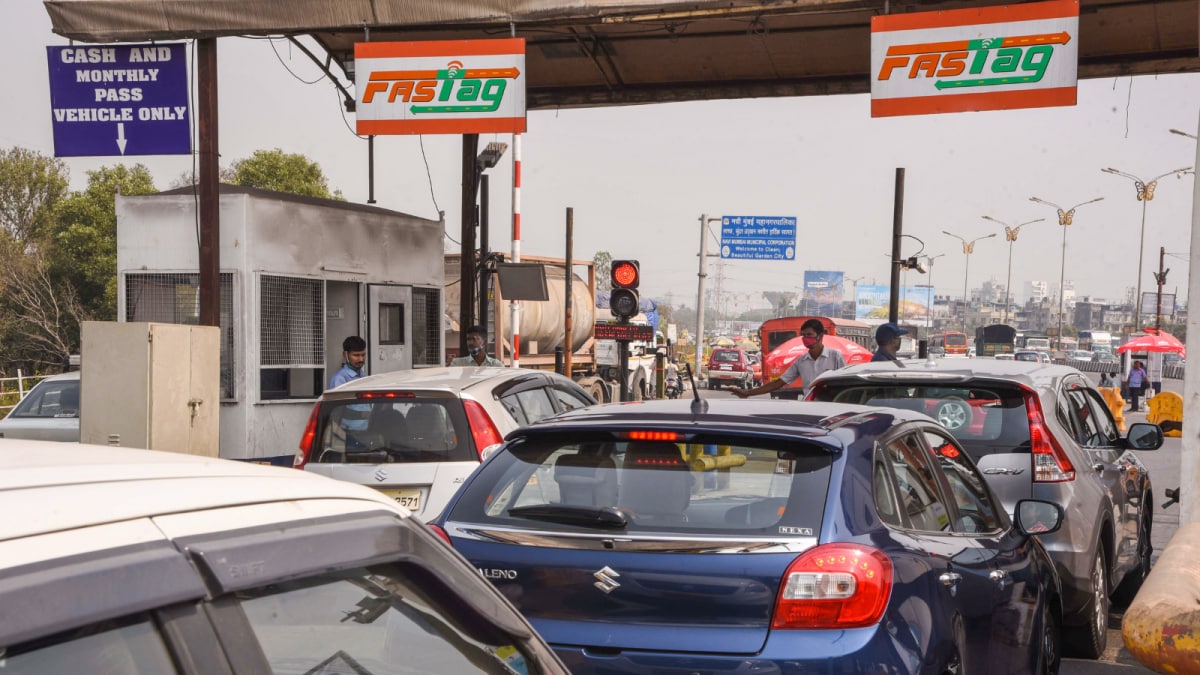
From today, the Ministry of Road Transport and Highways (MoRTH) has told everyone that cash will no longer be accepted at any toll plaza on national highways or expressways. I remember those weekends waiting for ages at the Gurgaon‑Manesar toll gate, watching the line grow while the cashier counted notes – it felt like a small drama on the road. Now that drama is gone, because the whole system has been turned into a 100 % digital set‑up. The announcement basically says that from now on every toll transaction must happen electronically, and the primary way to do this is through FASTag.
What does that mean for us, the everyday commuters? It means that if your car, bike or even a heavy truck does not have an active FASTtag, you cannot simply pull out a wallet full of cash and pay the toll. Instead, the only alternative is to pay via Unified Payments Interface (UPI) or similar digital modes, but at a higher rate – exactly 1.25 times the regular toll amount. So, a 50‑rupee toll becomes 62.5 rupees if you go the digital‑only route without FASTtag. The Ministry of Road Transport and Highways (MoRTH) has also warned that if you simply refuse to pay digitally, the toll plaza authorities can deny you passage or even move your vehicle out of the lane.
On top of that, the Ministry of Road Transport and Highways (MoRTH) may issue an e‑notice to the vehicle owner. If you do not clear the outstanding amount within three days, the Ministry of Road Transport and Highways (MoRTH) can charge you double the toll. So, it’s not just about paying a little extra; it’s about making sure you’re ready with a working FASTag every single time you hit the road.
No Cash; Only Digital Payment If FASTtag Is Absent
For many of us, especially those who travel daily between cities for work, FASTtag suddenly feels like an extra piece of paperwork. But the Ministry of Road Transport and Highways (MoRTH) says it is now effectively mandatory. If you own a vehicle and you don’t have an active FASTtag, you will have to rely on Unified Payments Interface (UPI) at that inflated rate of 1.25 times the normal toll fee. Imagine you’re on a long trip from Chennai to Hyderabad – you normally would stop at a few plazas, pay with cash, and maybe keep some loose change in the glove box. Now, you have to make sure your FASTtag balance is topped up, otherwise your journey could cost you a lot more.
There are also penalties that the Ministry of Road Transport and Highways (MoRTH) can impose if you keep refusing or you simply forget to pay. The toll plaza might not let you pass, and in some cases the vehicle can be removed from the lane, making you miss important appointments. The Ministry of Road Transport and Highways (MoRTH) can also send an e‑notice, and if you ignore it for three days, they will double the toll amount as a punitive charge.
In most cases, folks are finding that buying a FASTtag is far cheaper than paying the 1.25× rate every time. A lot of people have started using mobile banking apps to recharge their FASTtag instantly, which feels as easy as sending money to a friend on WhatsApp – except this time, the ‘friend’ is a little sticker on your windshield.
Toll Exemption Rules Tightened
The Ministry of Road Transport and Highways (MoRTH) has also tightened the rules around toll exemptions. Earlier, you could sometimes get a discount by showing an ID card or a driver’s licence, but that often led to disputes and long verification queues. Now, the exemption is linked directly to authorised vehicles and official usage, not to an individual’s identity. If you are eligible – say, a government vehicle, an emergency service vehicle, or a specially licensed transport – you must get an exempted FASTtag through the proper channels, or you can opt for an annual FASTtag pass.
For those of us who use highways on a regular basis, the Ministry of Road Transport and Highways (MoRTH) is pushing an annual FASTtag pass as a cheaper alternative. The pass costs Rs 3,075 per year and allows up to 200 toll crossings for private cars. That works out to roughly Rs 15 per crossing, which is a good deal if you’re travelling daily between Delhi and Meerut or regularly using the Mumbai‑Pune Expressway. It also gives you predictability – you know exactly how much you’re spending each month, instead of having to worry about topping up balance every few days.
All vehicle owners need to make sure that their FASTtag is not just active, but also KYC‑compliant. The Ministry of Road Transport and Highways (MoRTH) has warned that any non‑compliance may lead to a denial of entry at the toll plaza, which could be especially problematic for long‑distance truck drivers who rely on smooth travel to meet delivery schedules.
How to Get Your FASTtag Ready – A Quick Checklist
First thing you should do is visit the official FASTtag website or the nearest bank that issues FASTtag. You’ll need your vehicle registration certificate, a PAN card or Aadhar for KYC, and a small processing fee. The FASTtag itself is a thin sticker that you stick on the inside of the windshield – it’s similar to the RFID stickers you see on some prepaid metro cards.
Once you have the FASTtag, the next step is to load money onto it. Most people use their banking app, like the State Bank of India’s app or the HDFC One app, to transfer funds instantly. Some banks even let you set an auto‑top‑up, so whenever the balance drops below a certain amount, the app automatically adds money from your linked account. This is handy because you won’t have to scramble for cash on a rainy day when you realise the balance is too low.
Don’t forget to check that your FASTtag is KYC‑verified. The Ministry of Road Transport and Highways (MoRTH) sends an SMS once the verification is complete. If you miss this step, you might still be able to travel, but you could be charged the higher Unified Payments Interface (UPI) rate or even face a penalty.
Another tip – keep a spare FASTtag in your car, just in case the first one gets damaged or stops reading. The Ministry of Road Transport and Highways (MoRTH) allows you to link multiple tags to the same vehicle, and the system will automatically use the active one.
Real‑World Stories: How the Change Affects Different Drivers
Take Ramesh, a truck driver from Andhra Pradesh who does a lot of hauls between Hyderabad and Bangalore. Earlier, he used to pay cash at each toll, which meant he had to carry a lot of loose notes in his cabin. He often spent extra time waiting for the cashier to count the cash, especially during peak hours. After the Ministry of Road Transport and Highways (MoRTH) announced the digital shift, Ramesh got a FASTtag from his bank and set up auto‑top‑up. Now, he just whizzes past the toll gate, and the system deducts the amount automatically. He says his overall travel time has reduced by at least fifteen minutes per day, which adds up to hours saved over a month.
On the other hand, Priya, a software engineer who lives in Pune and visits Mumbai every weekend, was a bit sceptical. She didn’t want to bother with a FASTtag because she only travelled twice a month. But after learning that paying via Unified Payments Interface (UPI) would cost her an additional 25 percent, she decided to buy a FASTtag anyway. She now recharges it using her Paytm wallet, and she never worries about extra charges. She also appreciates that she no longer has to keep the exact change handy – something she would often forget when she was in a rush.
Even autorickshaw drivers, who were previously exempt from tolls because they used state‑run highways, now have to get a FASTtag if they want to use the faster expressways. The Ministry of Road Transport and Highways (MoRTH) has issued a special scheme for them, where the annual FASTtag pass is offered at a reduced rate. This helps them cut down on travel time and increase the number of trips they can make in a day.
Potential Hurdles and How to Overcome Them
One challenge many users are facing is network connectivity at some remote toll plazas. If the system can’t communicate with the central server, the FASTtag may not be read instantly, leading to a temporary stop. The Ministry of Road Transport and Highways (MoRTH) is working on installing better internet infrastructure, but in the meantime, it helps to keep a small amount of cash as an emergency backup – although you can’t actually use it for payment, you can show it to the official as proof of intent and they may allow a manual verification.
Another issue is the balance running out unexpectedly. A few users have reported that after a long journey, they reach a toll plaza only to find their FASTtag balance is insufficient, and the system charges the higher Unified Payments Interface (UPI) rate. The best way to avoid this is to set an auto‑top‑up threshold at a comfortable level, say Rs 500, so you never dip below the amount needed for multiple tolls.
There are also concerns about data privacy. Some vehicle owners worry that the Ministry of Road Transport and Highways (MoRTH) might track every movement via FASTtag. While the data is certainly collected for traffic management, the Ministry of Road Transport and Highways (MoRTH) assures that the information is used only for improving infrastructure planning and not for any intrusive surveillance.
Finally, the transition has been smoother for urban commuters who already use digital payments for everything, but for people in smaller towns who are still getting used to Unified Payments Interface (UPI), a little awareness drive could help. The Ministry of Road Transport and Highways (MoRTH) has started conducting workshops at local banks to guide people through the FASTtag registration process.
What the Future Holds – Beyond Just Tolls
The Ministry of Road Transport and Highways (MoRTH) is not stopping at tolls. There are plans to integrate FASTtag data with other services like parking fees, fuel payments and even toll‑based insurance premiums. Imagine pulling into a parking lot and the system automatically deducts the parking charge from your FASTtag balance – no need to carry a ticket or scan a QR code.
There is also talk of using the data to predict traffic congestion and provide real‑time alerts to drivers via a mobile app. If the Ministry of Road Transport and Highways (MoRTH) can analyse the FASTtag logs, they could tell you the best time to leave the house to avoid a jam on the Delhi‑Gurgaon stretch.
For now, the main focus remains on ensuring a smooth transition from cash to digital at toll plazas. If you are a regular traveller, the advice from the Ministry of Road Transport and Highways (MoRTH) is simple: get your FASTtag, keep it funded, and enjoy the faster, hassle‑free crossing of tolls. If you are a occasional traveller, consider the annual FASTtag pass or the pay‑as‑you‑go option based on how many times you think you’ll be hitting the highway in a year.
All in all, the shift to a fully digital toll system is a big step forward. It may take a bit of adjustment, especially for those who are used to cash, but once you’re set up, you’ll probably wonder how you ever managed without it.