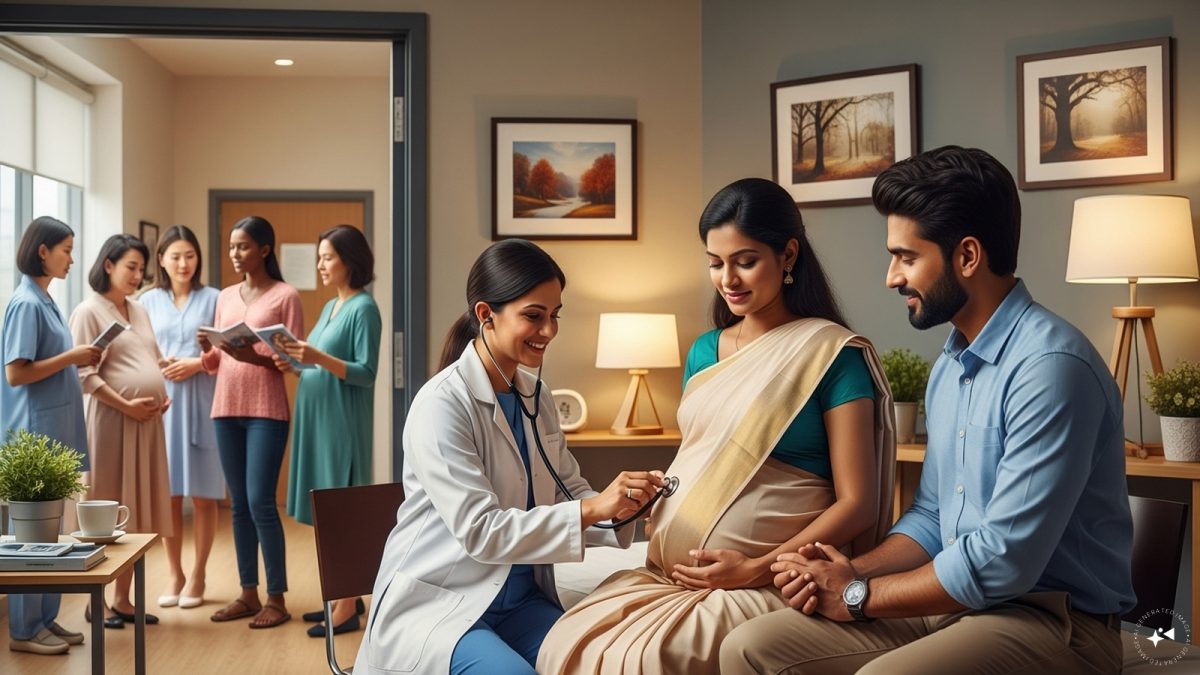
National Safe Motherhood Day calls for action on maternal health to prevent preventable deaths and ensure safe pregnancies. It's time for urgent attention.
National Safe Motherhood Day 2026: Motherhood is one of life’s most transformative experiences, and India commemorates this profound journey with National Safe Motherhood Day on April 11 each year. The day shines a spotlight on safe maternal health throughout pregnancy, childbirth, and the postpartum phase. It also reminds us why we need better care, especially in those remote villages where the nearest clinic is still a kilometre away on a bumpy road.
Whenever I think back to the time my aunt was expecting her second child, I remember the endless trips to the primary health centre, the long waiting queues, and the relief when a qualified midwife finally examined her. Those personal moments make the call for action feel very real, not just a slogan.
National Safe Motherhood Day 2026: This year, the theme urges collective action to put maternal health at the top of our priorities and to make sure no mother is left behind, no matter where she lives.
National Safe Motherhood Day: History
National Safe Motherhood Day was first established in 2003 by the White Ribbon Alliance India (WRAI). The alliance wanted a day that could rally everyone—governments, NGOs, and ordinary citizens—around the same cause.
The date was chosen to honour Kasturba Gandhi, wife of Mahatma Gandhi, a passionate advocate for the welfare of women and children. Her birth anniversary serves as a reminder of the ongoing need for maternal health advocacy in India. Whenever I read about Kasturba’s work, I feel a pang of pride mixed with a sigh, because her vision is still a work in progress.
Why Maternal Health Matters
Pregnancy is a life‑changing journey that demands utmost care and attention. Maternal health is crucial for the well‑being of both the mother and the baby. In most cases, when a mother is healthy, the baby gets a healthy start too.
Pregnancy‑related complications can be prevented with timely medical care and regular check‑ups, which is why spreading awareness on the importance of maternal care is essential. For example, many of my neighbours in a small town in Uttar Pradesh once missed a diagnosis of gestational hypertension simply because they didn’t come for routine antenatal visits.
Providing better healthcare services and ensuring skilled assistance can significantly reduce the risk of maternal death. It’s not just about statistics; it’s about mothers like my cousin who could have faced a tragedy if not for a quick referral to a district hospital.
The Importance of Prenatal Care
Antenatal visits play a key role in identifying potential pregnancy complications early, such as anemia, gestational diabetes, or high blood pressure. These regular check‑ups allow healthcare providers to offer vital guidance on nutrition, exercise, and lifestyle changes, which can improve pregnancy outcomes. I still remember my own first trimester when the nurse measured my blood pressure and gave me a simple iron‑folic tablet regimen—tiny steps that made a huge difference later.
Tips for a Healthy Pregnancy
- Eat a balanced, nutritious diet that includes whole grains, fruits, vegetables, and protein. Think of simple dal, rice, seasonal veggies, and a handful of nuts—nothing fancy, just wholesome.
- Attend regular prenatal checkups to monitor the health of both mother and baby. Even if the clinic is far, many states now provide transport vouchers, which helped my neighbour reach the hospital on time.
- Follow prescribed supplements like iron, calcium, and folic acid to meet nutritional needs. Skipping them is easy, but the doctor’s reminder on the prescription pad does the trick.
- Stay active with exercises like walking or prenatal yoga to improve circulation and general health. My sister swore by a 30‑minute walk each morning; she says it kept her spirits up.
- Avoid harmful substances such as smoking, alcohol, and certain medications unless prescribed by a doctor. A friend once told me she quit smoking after her first scan showed reduced fetal growth.
Ensuring Safe Delivery
Pregnancy and childbirth are crucial periods where trained medical professionals are essential. Having skilled doctors, midwives, and nurses at hand significantly lowers the risk of complications. During my aunt’s delivery, the presence of an experienced midwife meant that the labour progressed smoothly, and any warning signs were caught early.
Safe childbirth can be the difference between life and death for mothers and babies, making it a focal point in maternal healthcare systems worldwide. In many Indian villages, the introduction of a `maternity corner` in the primary health centre has turned the tide for dozens of families.
The Role of Maternal Healthcare Support
While physical health is paramount during pregnancy, emotional support is just as important. Having a support system of family, healthcare providers, and community workers is vital for a healthy, safe pregnancy. I’ve seen how a simple phone call from a sister or a neighbour can lift a pregnant woman’s mood.
Communities can raise awareness on maternal health topics such as breastfeeding, infant care, and postpartum recovery. For instance, in my hometown, the local anganwadi centre runs weekly sessions on newborn care, which has helped many first‑time mothers feel more confident.
Tackling Maternal Mortality
Maternal deaths, though preventable, remain an issue in many regions. The primary causes of death include complications that could have been managed with timely medical intervention, like severe bleeding or infection. In one remote district of Madhya Pradesh, a simple blood‑pressure cuff could have saved a mother’s life, but the clinic didn’t have one.
National Safe Motherhood Day 2026 focuses on improving access to healthcare, increasing awareness, and ensuring skilled care is available to every mother during pregnancy and childbirth. The government’s recent launch of the ‘Janani Suraksha Yojana’ is a step in that direction, offering financial incentives for institutional deliveries.
How Communities Can Help
Communities can contribute significantly to safe motherhood by:
- Promoting regular prenatal checkups.
- Educating women on safe pregnancy practices.
- Supporting maternal healthcare programs.
- Ensuring healthcare services are available for every woman during pregnancy, childbirth, and postpartum recovery.
From my experience, when a village sarpanch organizes a health camp and invites an obstetrician, the attendance spikes. Mothers feel more confident and the whole community benefits.