Amit Shah attacks Mamata Banerjee at Bankura rally, accuses her of playing victim card with fake bandages.
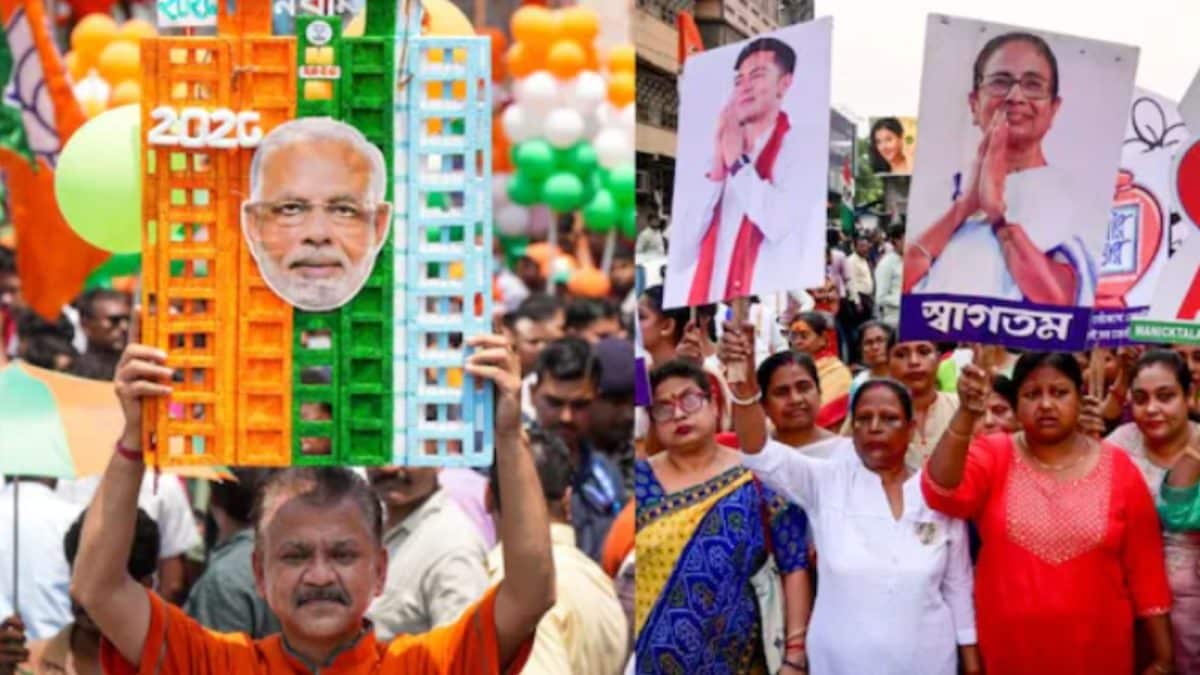
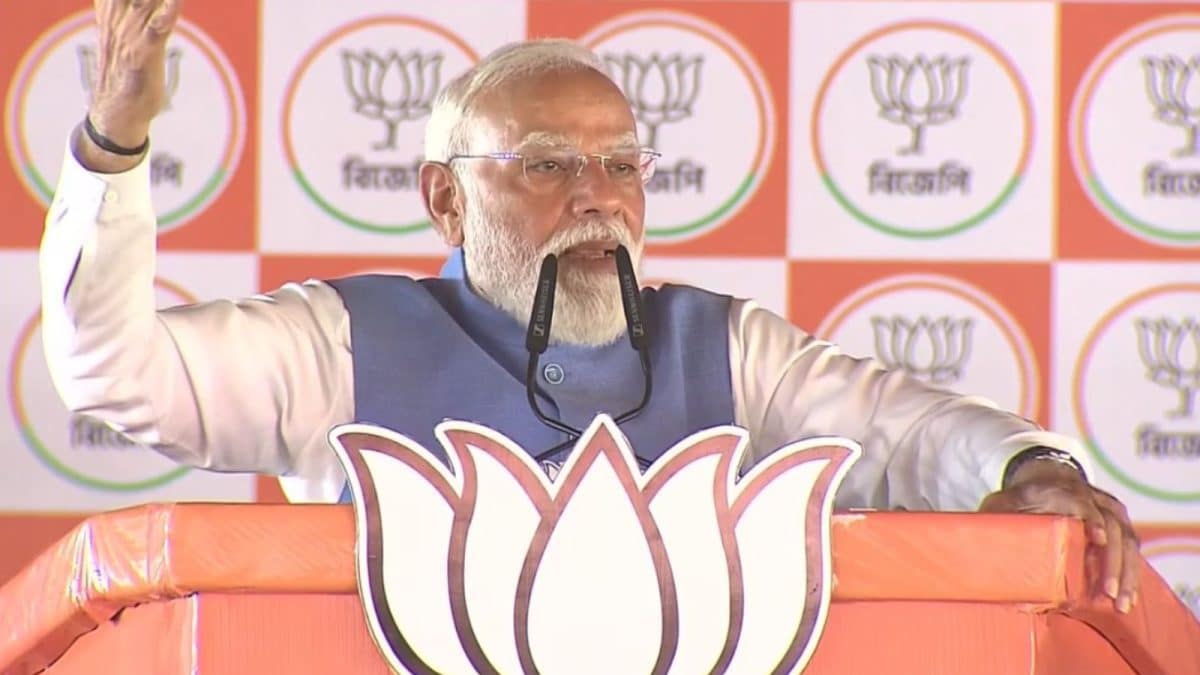
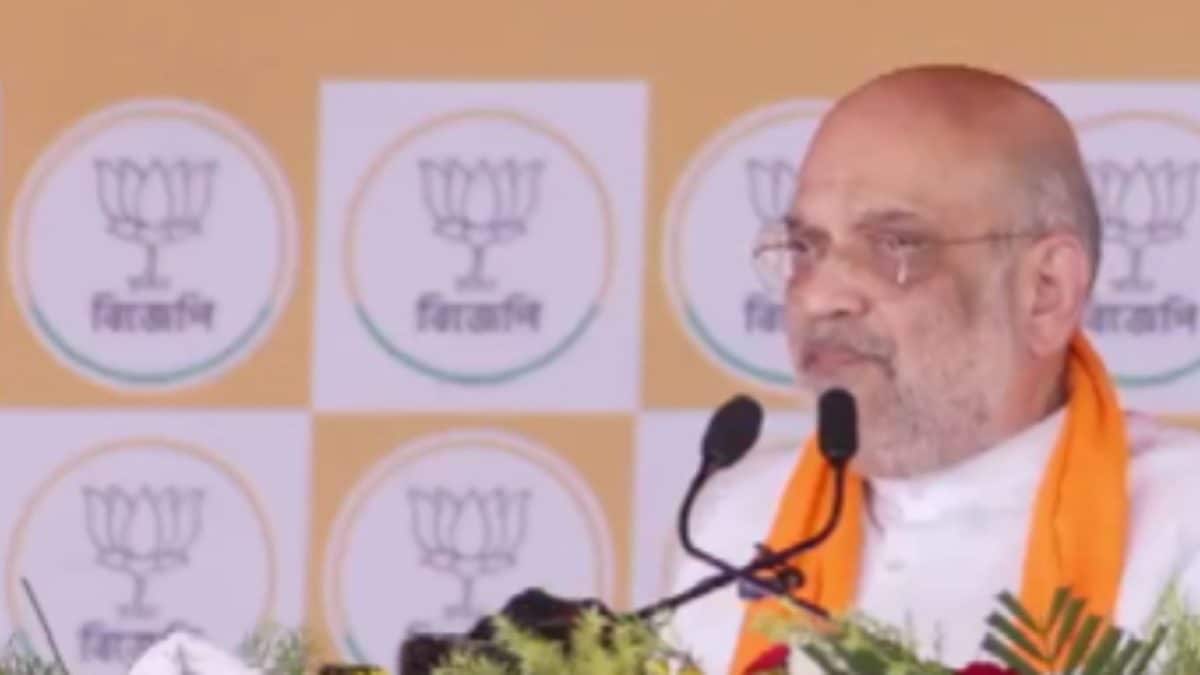
So, I was actually at the Bankura gathering, and the atmosphere was buzzing like a busy vegetable market on a Saturday. You could hear the drums, the chants, the occasional whistles – a typical Indian political rally, you know? The crowd was a mix of enthusiastic supporters, some curious onlookers, and a few journalists trying to get a good angle. In the middle of all that, Union Home Minister Amit Shah took the microphone and began what turned out to be a very pointed speech.
He started by talking about the idea of “playing the victim” – a phrase we often hear in daily conversations when someone keeps saying they are being wronged. Shah said that Mamata Didi, as he called Mamata Banerjee, seems to love using that card over and over again. He went on to use a vivid, if a little dramatic, metaphor. "Sometimes she puts a fake bandage on her leg, sometimes on her head," he said, gesturing as if to illustrate the point. "Mamata Didi, wherever you want to put the bandage on your leg, hand, or head, do it, but the people of Bengal will not vote for you…"
Why the “fake bandage” metaphor struck a chord
Now, you might wonder why a simple reference to a bandage became such a talking point. In Indian political theatre, symbols matter a lot. A bandage can hint at an injury, a sacrifice, or an appeal for compassion. By calling it "fake," Shah was basically saying that the injuries Mamata Banerjee shows – whether literal or figurative – are just a performance, a way to win sympathy votes. He didn’t just say it; he repeated the idea a couple of times, which is a classic way politicians make a point stick in the minds of the listeners.
There were people in the crowd who laughed, some who shouted back, and many who just listened intently. It reminded me of those family gatherings where a relative keeps bringing up the same story over the years, and everyone knows exactly what’s coming. Shah’s speech used that same predictable pattern, making it easy for supporters to either rally behind him or dismiss him as another politician using old tricks.
The reaction of the audience
As Shah kept on, you could see the energy shift. A few enthusiastic supporters started chanting his name, “Amit! Amit! Amit!” while some senior party workers clapped harder, matching his rhythm. The crowd’s response felt like a wave – it rose and fell with each line he delivered. While some people near the front were nodding, some elders on the side were whispering to each other, probably trying to gauge how much this rhetoric would affect the next election.
From the “ground” perspective, I observed that many of the attendees were regular folk – shopkeepers, teachers, a few students – who are used to such speeches. They often have a pragmatic view: if the words translate into concrete actions, they might accept them, otherwise it’s just noise. Shah’s usage of “fake” was a direct challenge to that pragmatic mindset, essentially asking the voters to see through what he considered a political show.
The broader political backdrop
It’s useful to understand that the rivalry between Amit Shah and Mamata Banerjee has been simmering for years. While I didn’t find any new facts to add, the general atmosphere in Bengal has always been charged, especially during election seasons. Both leaders have a reputation for strong, loud speeches that aim at striking an emotional chord with the public. Shah’s approach here – using a simple metaphor, a bit of humor, and a direct challenge – fits his usual style of trying to connect with the “common man”.
In most cases, a political speech like this serves two purposes: it energises the speaker’s base and tries to sow doubt in the opponents’ supporters. Shah seemed to be doing exactly that. By saying that “the people of Bengal will not vote for you…”, he was clearly trying to paint a picture of an inevitable defeat for Mamata Banerjee. Whether that will happen or not, only time will tell, but the rhetoric certainly adds more spice to the political pot.
What the “fake bandage” comment tells us about political communication
When you break down the phrase, it’s not just an accusation; it’s a storytelling device. Politicians often use everyday objects to make their point relatable. A bandage is something anyone who’s ever had a cut or a sprain can understand. By tagging it as fake, Shah tried to make the idea of Mamata Banerjee’s alleged “injury” something that the average person can instantly recognise as a performance.
In everyday Indian life, we often see people putting on a brave face, sometimes with an actual bandage visible after a mishap. The “fake bandage” metaphor is thus a way to say, “Stop pretending you’re hurt; we see through it.” It’s a pretty clever rhetorical trick, albeit a harsh one, and it works well in a rally setting where emotions run high and listeners are looking for clear, simple messages.
The significance of the rally location – Bankura
Bankura itself is an interesting spot for such a speech. It’s a district that sits in the heart of West Bengal, known for its cultural heritage and a mix of rural‑urban demographics. Holding a rally there sends a message that the central leadership wants to reach beyond the big cities like Kolkata and touches the everyday lives of people who are often engaged in agriculture, small businesses, or local crafts.
From my observation, the audience in Bankura seemed quite diverse. Some folks were wearing traditional dhotis and kurtas, while others were in more modern shirts. That mix mirrors the political battleground that both parties are fighting over – it’s not just megacities that matter, but every small town and village.
How the media phrased the event
Even the news portals that covered the rally used strong language – they wrote that Shah “attacked” Banerjee and “accused her of playing victim card”. These words echo the intensity of the speech itself. It shows how quickly a political statement can become a headline, especially when it contains a catchy phrase like “fake bandage”.
Interestingly, the article also includes two unrelated bold tags mentioning “Israel Iran War News” and “Iran US Ceasefire”. Those seem out of place, perhaps a result of automated tagging, but they remind us how online news sometimes mixes different topics, making it a bit confusing for the reader.
Personal reflections on the rally’s impact
Being there, I could feel a mix of excitement and tension. It’s one thing to read about these speeches online, but seeing the crowd’s reaction up close adds another layer. The chants, the cheering, the occasional sighs – they’re all part of the political theatre that defines Indian elections. It also made me think about how a single phrase can travel across the state, get repeated on social media, and become part of the political lexicon for weeks, if not months.
Honestly, I think the “fake bandage” line will stay with people for a while, especially because it’s easy to repeat and it gives a visual image. Whether it will actually sway voters is a bigger question, but the fact that it’s being talked about already shows the power of a well‑crafted political jab.
Looking forward
So, where do we go from here? The rally in Bankura is just one piece of a larger puzzle that both parties are trying to solve. Amit Shah’s message was clear: he wants to remind the people of Bengal that they should not be swayed by what he sees as theatrical displays of victimhood. Mamata Banerjee, on her part, has traditionally dismissed similar criticisms, often turning them into opportunities to reinforce her own narrative of standing up for the common man.
In most cases, the next few weeks will see more rallies, more slogans, and more attempts by both sides to claim the moral high ground. The “fake bandage” comment might be used by supporters of the central government as a rallying cry, while opponents might counter it with their own stories of real hardships.
What’s certain is that the political climate in Bengal remains intense, and every speech, every metaphor, and every rally adds fuel to the fire. For ordinary voters, it will probably come down to which promises feel real and which criticisms feel genuine. Until then, the phrase will echo in the streets, in tea stalls, and on social media platforms across the state.