Why Songkran Feels Like a Whole New World
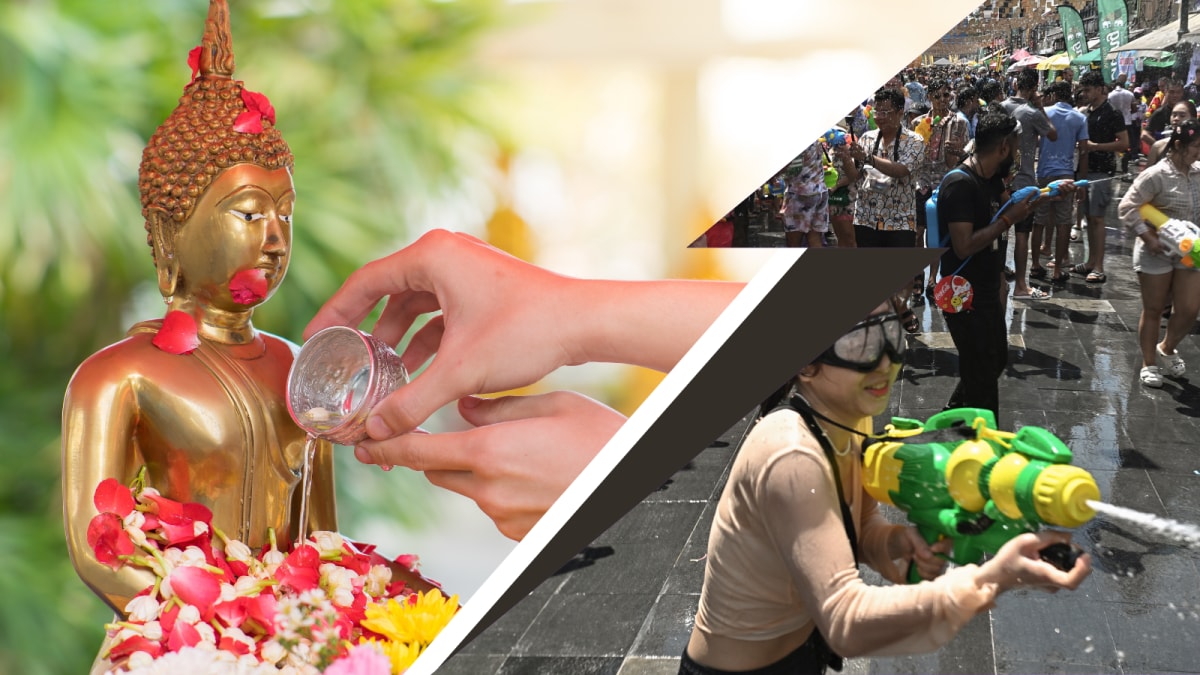
When I first heard about Songkran, I imagined a massive water park set up in the middle of Bangkok. And honestly, it felt a bit like that, but with a lot more meaning tucked behind every splash. It’s not just about getting drenched; it’s a time when Thai people wash away the old year’s bad luck, Greet the New Year with fresh vibes, and show a lot of respect to their elders and ancestors. For us Indians, who also love a good festive chaos – think Holi or Diwali – the idea of a whole country turning into a water playground sounds both exciting and a tad intimidating. That’s why I put together all the things I learned while actually being there, to help fellow travellers avoid the usual hiccups and really enjoy the celebration.
When to Dive In: Timing and Duration
Songkran officially starts on the 13th of April and goes on for three days, but in major cities like Bangkok and Chiang Mai the party can stretch a little longer – sometimes up to a week. I arrived on the evening of the 12th, just before the first big water cannon was set up in my hotel lobby. By midnight, the streets were already buzzing with music, color and piles of plastic buckets. If you want the biggest splash, aim for the first two days – that’s when most locals and tourists join in full force. The third day is a bit calmer, as many people start heading to temples for the more solemn rites. So plan your travel dates accordingly; a little extra day can give you a breather if you feel too soaked.
What to Wear: Comfort Over Style (But Keep a Little Class)
Honestly, I went in with a light cotton t‑shirt and shorts, thinking I could just wash everything later. Turned out that the water isn’t just plain water – many places add scented soaps, flowers, even a touch of lemon or lime juice. That can make your clothes feel sticky if you’re not careful. My tip: wear quick‑dry fabrics, preferably something you don’t mind throwing away if it gets ruined. A simple pair of sarongs (yes, we Indians have them too) works great – they’re easy to dry and can double as a towel. Also, think about your footwear. I used flip‑flops with a good grip; regular sandals slipped a lot, and shoes got ruined quickly. A small waterproof bag for your phone, snacks and documents is a lifesaver – I kept mine inside a zip‑lock pouch tucked in my backpack.
The Water Fight: How It Works and Where to Find the Best Battles
In Bangkok, the biggest water fights happen around Khao San Road, Silom and the big shopping malls. I spent an entire afternoon at a mall where they had water cannons set up at each entrance – you could buy a small packet of water or just use the free sprayers. The vibe is more playful there, with a lot of tourists. If you prefer something a bit more authentic, head to the old city (Rattanakosin) or the neighborhoods near the Chao Phraya River. The locals bring their own buckets, hoses and even water guns. In Chiang Mai, the streets of the Old City turn into a massive water arena, and the whole community – from kids to grandparents – joins in. I once saw a group of monks smiling as they got a gentle spray; they weren’t participating, but they definitely appreciated the goodwill. The rule of thumb: if you see a bucket, you can join in, but always be respectful – don’t aim at people who look uncomfortable.
Understanding the Traditions: It’s Not All Play
Beyond the fun, there are a few deep‑rooted customs that make Songkran special. One of the most important is the “Rod Nam Dam Hua” – pouring scented water over the palms of elders as a sign of respect and to ask for blessings. I was invited to a Thai family’s home, and the youngest child gently poured water over the grandparents’ hands while saying “Sawasdee Pi Mai.” It felt similar to how we Indian families apply tilak or offer aarti during festivals. Another tradition is the keeping of the “Phra Phut” – Buddha statues taken out of temples for a short period for worship. People sprinkle water on them, believing it purifies the mind and body. If you visit a temple during Songkran, you’ll see these practices. Take part respectfully – remove your shoes, dress modestly, and if you’re not comfortable with the water, just observe.
Temple Visits: Where Spirituality Meets Celebration
Most travellers think water fights are the only thing worth seeing, but the temples are really the heart of the festival. I visited Wat Pho in Bangkok early morning on the second day. The monks were chanting, and the courtyard was filled with locals washing statues and offering flowers. It was quieter than the streets, yet you could feel the same sense of renewal. Remember to bring a small donation (often called “Sangkhap” in Thai) if you want to make an offering – a few baht is fine. Also, avoid splashing water directly on monks or sacred objects. If you’re carrying a plastic bottle, you can keep it handy for yourself but don’t use it on the holy grounds. A humble, quiet moment at a temple can balance out the chaos of the water battles and give you a deeper appreciation of the culture.
Food, Drinks and Street Snacks: Staying Energised While Getting Wet
Nothing clears the fatigue of getting drenched like a plate of spicy pad thai or a bowl of mango sticky rice. In Bangkok, the street stalls near the water zones often crank up the spice level during Songkran – maybe to match the “hot” atmosphere! I especially loved the cold coconut water sold from tall glass bottles; it’s both refreshing and helps you keep hydrated. Keep an eye out for “roti” and “samosa” stalls – they’re Indian‑inspired and perfect for a quick snack. If you’re traveling with kids, bring some dry biscuits or dry fruit because the humidity can affect the texture of some foods quickly.
Safety First: Staying Healthy in the Downpour
Getting wet is fun, but it can also bring a few health concerns if you’re not careful. I learned the hard way that using tap water for drinking isn’t recommended in Thailand, especially during the festival when many people use the same water sources for washing. Always buy bottled water – the cheap ones are generally safe, but check the seal. Also, be mindful of traffic; the streets are slippery and cars move slowly but sometimes abruptly stop. I once slipped near a busy intersection and bruised my knee, so I’d suggest wearing shoes with good grip and staying aware of the traffic signals. If you have any medical conditions, bring any necessary medication, and maybe a small first‑aid kit with band‑aids and antiseptic wipes – you never know when you might need them after a tumble.
Money Matters: How to Manage Cash and Payments
During Songkran, many vendors prefer cash because card machines can get soggy – I’ve seen whole stalls shut down after their POS devices got drenched. Carry enough Thai baht in small denominations; it makes bargaining easier as well. I kept a separate waterproof pouch for cash, separate from my passport and cards. If you need to withdraw more money, the ATMs are usually open, but there can be long queues, especially at the biggest malls. Some places also accept mobile payment apps like PromptPay, which can be handy if you have a Thai bank account, but most tourists stick to cash.
Getting Around: Transport Tips During the Festivities
Public transport in Bangkok – the BTS Skytrain and the MRT – runs on a normal schedule, but stations can be overly crowded with people carrying water containers. I found it easier to use the Skytrain during early mornings when the crowds were thinner. Taxis are another option, but you might need to negotiate a higher fare because drivers anticipate heavy traffic. In Chiang Mai, the songkran crowd often blocks main roads, so I rented a scooter for a day to zip through side streets. If you’re not comfortable riding a scooter, the local songthaew (red‑colored shared taxi) works fine – just tell the driver you’re heading to the Old City and they’ll drop you at the nearest entrance.
Etiquette Checklist: Do’s and Don’ts for First‑Timer Travelers
- Do carry a small towel or a dry cloth to wipe off excess water before entering indoor places.
- Do respect elders by offering a gentle splash of water to their palms if invited.
- Do wear modest clothing when visiting temples – shoulders and knees covered.
- Don’t aim water guns at people who look uncomfortable or are trying to dry off.
- Don’t use harsh chemicals or strong sprays on public property; keep it gentle.
- Do bring a waterproof bag for your phone and important documents.
- Don’t forget to say “Sawasdee Pi Mai” (Happy New Year) when meeting locals – they love the gesture.
Following these simple points will make the locals appreciate your presence, and you’ll avoid any unintended offense.
Personal Highlights: My Top Moments from the Celebration
Looking back, a few moments stand out. First, the sunrise ceremony at Wat Arun where monks offered alms while the river glimmered with the reflection of lanterns – it felt almost magical. Second, the spontaneous water fight that started near a street food stall in Chiang Mai; strangers became friends within minutes, sharing pakoras and laughing as they got drenched. Third, the quiet afternoon spent with a Thai family who invited me for their “Rod Nam Dam Hua” ceremony; the gesture of pouring water over my hand felt warm and welcoming, much like the way we shake hands and offer sweets during Diwali. These experiences made me realize that Songkran is more than a party – it’s a deep cultural expression of renewal, respect and community spirit.
Final Thoughts: Making the Most of Your Songkran Adventure
If you’re planning to travel to Thailand during the New Year, go with an open mind and a light backpack. Embrace the chaos, respect the traditions, and keep a sense of humour – you’ll end up with a head full of stories and a heart full of Thai warmth. Remember, the water is symbolic, but the memories you create will stay dry in your mind forever. Happy Songkran!