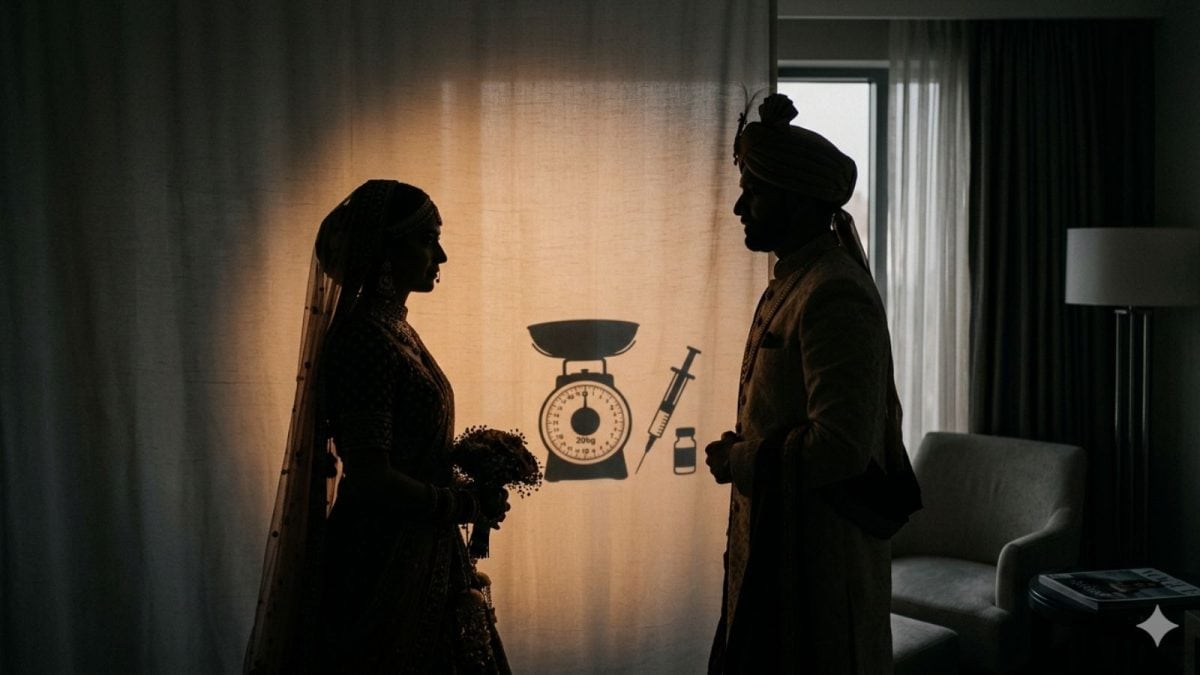
Today’s luxury bridal prep includes metabolic screening and medically guided injections. But are we optimising the bride, or just the algorithm?
Honestly, I never imagined the biggest wedding stress would be a clinic visit rather than a dress fitting. But as someone who has helped a few friends plan their big day, I’ve watched the whole scene change. The wedding season in India has always been a roller‑coaster of drama, family politics, and endless rehearsals. Lately, though, the most dreaded guest isn’t the nosy tauji or the ever‑critical aunt; it’s the camera that never sleeps.
It’s not just any camera – it’s the one that spits out vertical 9:16 reels, perfect for scrolling on a phone screen. You know the ones – glossy, super‑crisp, and edited to make every sparkle look like a fairy‑tale. This shift from the old, bulky video trucks to “social‑first” documentary style has made the whole wedding visual game more clinical. We’re all glued to the Instagram feeds of Virat‑Anushka or Ranveer‑Deepika, copying their “Insta‑perfect” wedding reels down to the colour of the napkins.
Because of that, the lens has become unforgiving. It magnifies every pore, every crease in the lehenga, and any so‑called “unflattering” angle. And if you’re a bride who wants to look flawless on screen, you start thinking about ways to tighten the body, not just the dress. That’s when the conversation drifts from salons to metabolic clinics, where GLP‑1 receptor agonists like Mounjaro and Ozempic are being touted as the ultimate digital filter.
Looking Good For The Gram
My friend Priya told me last month that she felt the pressure not just to look good in person, but to be “post‑ready”. She wants every frame of her wedding video to pass the Instagram scrutiny. That’s when she consulted Dr. Akshita Bhan at Studio 1915 Luxury Aesthetic Clinic. The doctor explained that the rise of high‑definition photography has made couples more conscious about their bodies. “With social media and high‑definition photography, both brides and grooms are more conscious about their appearance and are actively seeking medically guided weight loss solutions to feel confident on their big day,” Dr. Bhan says.
It’s not just about looking thinner; it’s about fitting into that dream lehenga that costs a small fortune. The timeline to achieve the desired shape has shrunk because the media consumes everything at lightning speed. Couples now want a rapid transformation, just like those 8K wedding videos that are becoming the norm. This demand leads many reputable clinics to act as “metabolic gatekeepers”.
When you step into a clinic, the first thing you hear isn’t a simple “what’s your weight?” – it’s a whole battery of tests. “BMI is just the starting point,” Dr. Bhan stresses. “We conduct a thorough metabolic assessment including thyroid profile, blood sugar levels, insulin resistance, and lipid profile. Equally important is psychological screening; understanding eating patterns and expectations ensures the treatment is safe.”
My other friend Rahul shared a similar story. He visited Dr. Anika Goel at SoulDerma Clinic a few weeks before his wedding. He was nervous because the “4‑week panic” is real for many grooms who think they have barely any time left to look their best. Dr. Goel’s approach was to shift the focus from a dress size to overall health. “We explain what’s realistically possible and what could be unsafe,” she says. “I usually try to shift the focus from a dress size to how they look and feel overall.”
These doctors are not just prescribing drugs; they’re counseling couples on realistic expectations, which is a breath of fresh air in a world that often glorifies quick fixes.
Sangeet Struggle: Managing The Side Effects
One thing that surprised me during these clinic visits was the conversation about side‑effects. The typical narrative on Instagram is all about the “glow” – a flawless body, a perfect dress, a viral reel. But the reality for the “Mounjaro bride” is far messier. The most common side‑effects – nausea, occasional stomach discomfort, and the infamous “sulphur burps” – clash badly with the high‑energy dance functions that Indian weddings are known for.
Doctors like Dr. Goel have started acting as “event strategists”. She explains to her patients that timing is everything. “We talk about this upfront so there are no surprises. These side effects can happen, but they’re usually manageable if the treatment is started slowly and planned well. We keep doses low initially, guide them on what to eat, and most importantly, we plan the timeline around their functions. For example, we avoid introducing or increasing doses close to important events so that they can enjoy their celebrations without discomfort,” she says.
My cousin Meera shared that she was advised to start her medication two months before the sangeet, keeping the dose low during the rehearsal dinner and only ramping up after the main ceremony. This strategy helped her avoid the dreaded nausea during a night of bhangra and giddha, letting her actually enjoy the dance floor instead of hiding behind a cushion.
These practical tips highlight how the medical community is adapting to the new cultural expectations. Yet, there’s still a fine line between helping a client feel their best and pushing them into unsafe territory for the sake of a reel.
Ozempic ‘Glow’?
When I scrolled through Instagram, I kept seeing the term “Ozempic Glow” – a shiny, seemingly effortless transformation that looks amazing on a reel. But Dr. Rujul Jhaveri, a consultant at Narayana Health SRCC Children’s Hospital, warns that this obsession with a cosmetic quick‑fix can hide deeper health concerns.
“From a women’s health perspective, rapid weight changes, especially those driven by medication, can impact fertility, pregnancy planning, and long‑term metabolic health,” Dr. Jhaveri explains. He points out that hormonal balance can be disturbed, menstrual cycles may become irregular, and the body’s natural metabolism might get thrown off.
These concerns are not just theoretical. A friend’s sister, who used Ozempic solely for aesthetic reasons, later faced irregular periods that took months to settle even after stopping the medication. This story makes it clear that the impact of GLP‑1 drugs extends far beyond the wedding day.
Dr. Jhaveri also stresses that “any intervention for weight management should be carefully evaluated, individualised, and supervised, rather than being driven by social or event‑based timelines. They are not recommended for purely cosmetic use, and aesthetic clinics are generally not authorised to prescribe them.” This distinction between medical need and aesthetic want is essential if we want to avoid turning our bodies into mere algorithms.
While GLP‑1 drugs have undoubtedly helped many people manage serious metabolic conditions, using them just to fit into a smaller lehenga for a single day is a risky gamble. The long‑term biological cost can outweigh the short‑term aesthetic gain.
Balancing Tradition, Technology, and Health
So where do we go from here? From my own observations, the answer is a mix of realistic expectations, informed choices, and a touch of the old‑fashioned Indian patience. Weddings will always be grand, and we’ll always want to look our best. But perhaps the focus should shift from “how thin can I get before the reel drops?” to “how healthy can I stay while still enjoying the celebrations?”
One practical tip I’ve gathered from doctors and couples alike is to start any metabolic or weight‑loss plan well ahead of the wedding – at least six months, if possible. This gives the body enough time to adjust, reduces the need for high‑dose medication, and allows for proper psychological support.
Another simple change is to involve the whole family in healthier habits. Instead of a private diet for the bride, families can adopt balanced meals and regular walks. This not only eases the bride’s stress but also ensures that the post‑wedding life isn’t a crash‑diet nightmare.
Finally, remember that a wedding is just one day in a lifetime. The joy of the ceremony, the love of the family, and the memories of dancing for hours matter more than the perfect pixel on an Instagram reel. If you can keep that perspective, the pressure to chase every new medical trend might ease a little.
In the end, it’s about using the tools available – be it metabolic screening or modern photography – wisely. When we treat our bodies with respect and not just as a backdrop for a viral video, we’re doing a service not only to ourselves but to the generations that will look up to our wedding stories for inspiration.