Exploring the Hidden Hemisphere: Artemis II’s Flight Around the Moon’s far side
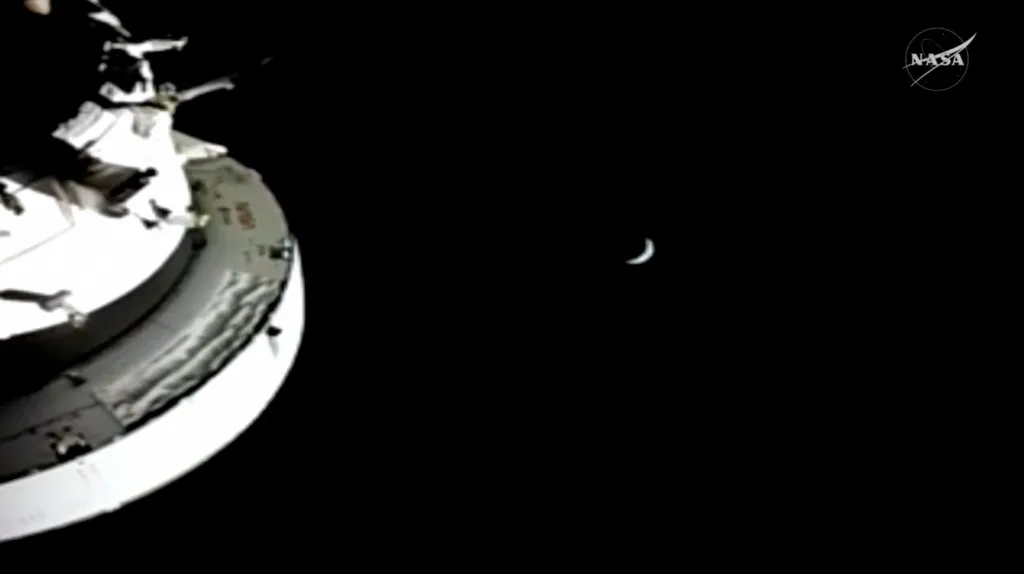
Artemis II’s looping path has carried the crew around the far side of the Moon, offering a rare glimpse of the lunar hemisphere that never faces Earth.
The Moon’s Far Side: An Overview
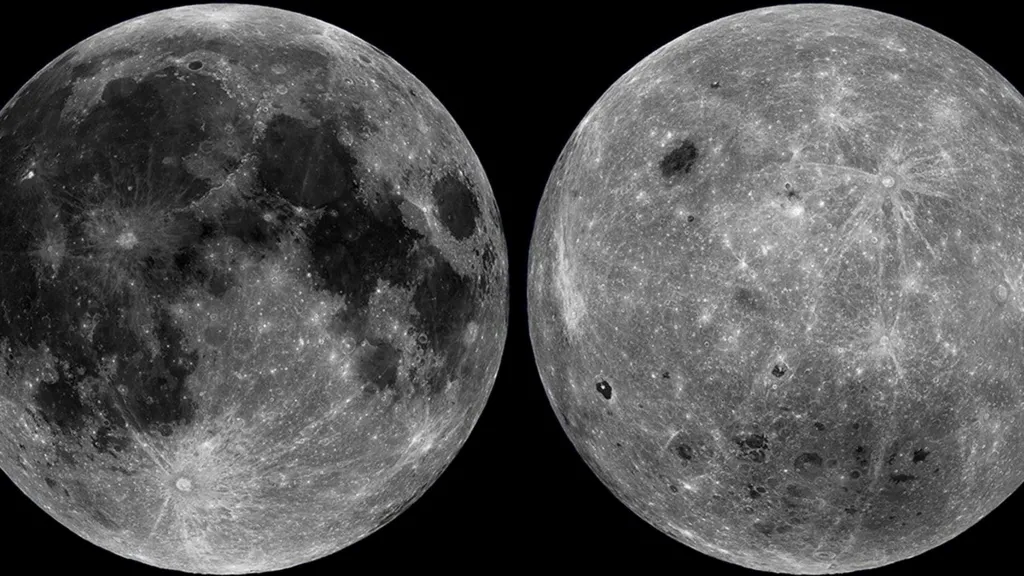
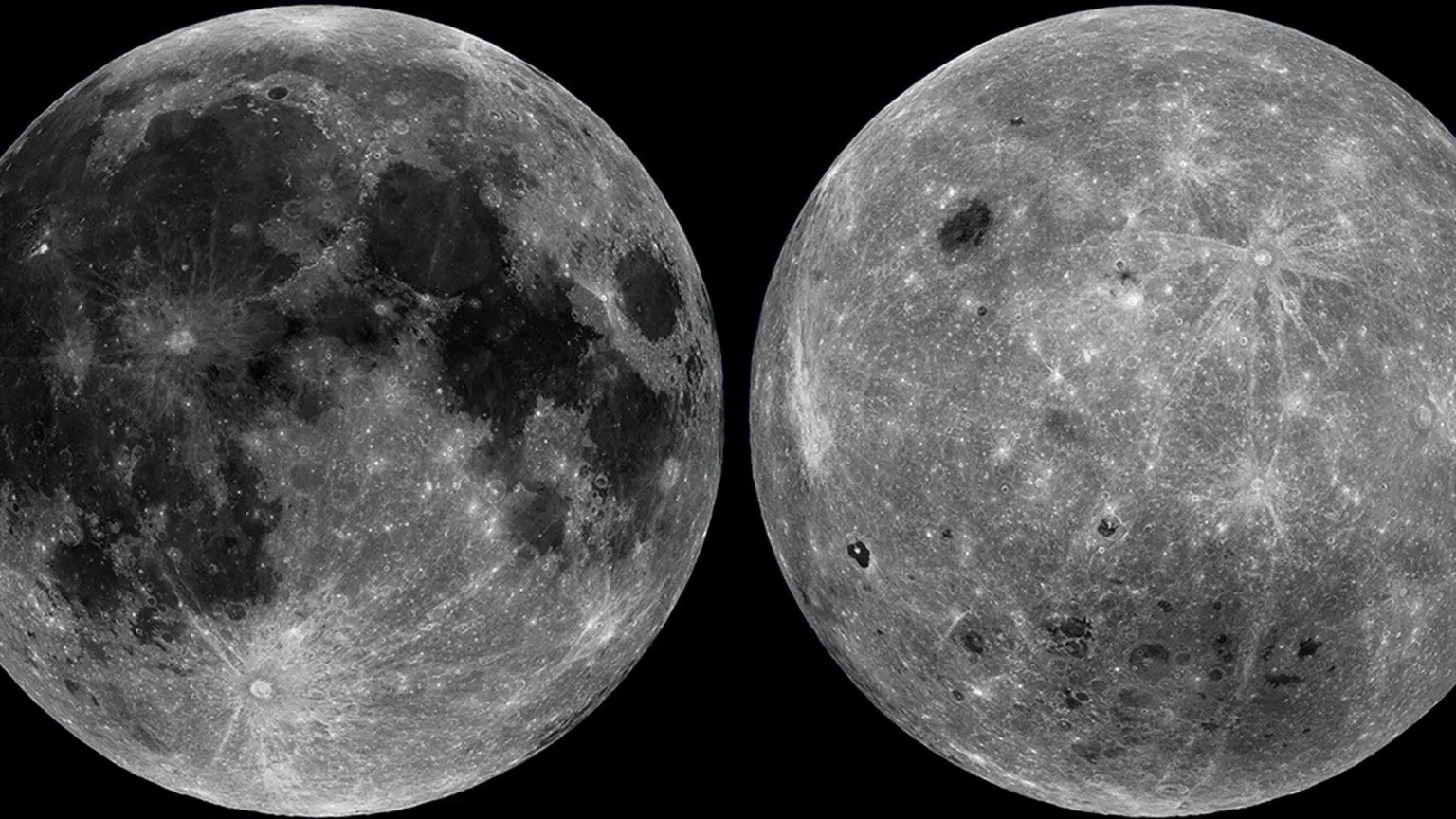
The Moon presents two distinct faces to the universe: the near side, forever locked toward Earth, and the far side, a region that remains invisible from our planet due to tidal locking. This hidden hemisphere is marked by a rugged landscape, with fewer expansive mare basins and a higher concentration of impact craters. Because direct radio communication with Earth is obstructed, the far side has historically required relay satellites to transmit data back to mission control. The scientific community has long sought to study this area more closely, as its geology differs markedly from that of the near side, offering clues about the Moon’s early formation and the bombardment history of the inner solar system.
Artemis II’s Trajectory and Its Significance
Artemis II was designed to perform a deep‑space test flight that would take the crew farther from Earth than any previous crewed mission. The flight plan included a carefully calculated loop that sent the spacecraft around the far side of the Moon. By following this path, Artemis II demonstrated the ability to navigate the lunar environment, maintain communication via relay satellites, and execute precise orbital maneuvers. The looping trajectory required the spacecraft to travel over the region that never faces Earth, providing a rare opportunity for the crew to observe the far side directly from orbit.
The importance of this maneuver cannot be overstated. It proved that future missions could safely traverse the far side, a prerequisite for establishing a sustainable presence on the lunar surface. Additionally, the successful communication relay during the far‑side pass confirmed the robustness of the network that will support Artemis III and subsequent lunar landing missions.
Why the Far Side Matters for Lunar Exploration
Understanding the Moon’s far side is essential for multiple reasons. First, the geological differences—such as the paucity of volcanic plains and the prevalence of high‑land terrain—offer a contrasting record of the Moon’s volcanic and impact history. Second, the far side provides a natural shield against Earth’s radio noise, making it an ideal location for radio astronomy observatories that could detect faint cosmic signals otherwise drowned out by terrestrial interference.
Furthermore, the far side’s isolation from Earth’s gravitational pull in the near direction makes it a strategic site for future deep‑space communication relays and potentially for habitats that benefit from reduced radiation exposure from Earth’s magnetosphere. Artemis II’s loop around this region laid the groundwork for these ambitious concepts by confirming that spacecraft can reliably operate in this challenging environment.
Observations Made by the Crew During the Loop
During the passage over the far side, the crew had the unique chance to view a landscape never seen from ground‑based observers. The view from the windows of the spacecraft revealed a stark, crater‑filled terrain bathed in perpetual darkness, punctuated only by the occasional glint of sunlight reflecting off the rims of ancient impact basins. The crew reported that the stark contrast between the bright, rugged highlands and the dark shadows enhanced their appreciation for the Moon’s geological diversity.
In addition to visual observation, the crew conducted a series of scientific measurements using onboard instruments. These measurements included high‑resolution imaging of crater distribution, spectral analysis of surface composition, and magnetic field mapping. All data collected during the far‑side pass will be archived for future researchers interested in comparing near‑side and far‑side characteristics.
Technical Challenges Overcome by Artemis II
Flying around the far side of the Moon presents distinct technical hurdles. The primary challenge is maintaining continuous communication with mission control, as direct line‑of‑sight is blocked once the spacecraft slips behind the lunar limb. Artemis II relied on a network of relay satellites positioned in lunar orbit to bridge this communication gap. The successful handoff between direct Earth communication and relay‑satellite links demonstrated the resilience of the communication architecture.
Another challenge is precise navigation. The spacecraft must execute highly accurate burns to align its orbit with the desired trajectory. Any deviation could result in an unintended close approach to the lunar surface or an excessively high orbit that would compromise mission objectives. The navigation team employed a combination of ground‑based tracking and onboard autonomous guidance to keep Artemis II on course throughout the far‑side loop.
Scientific Instruments and Their Findings
The payload aboard Artemis II included a suite of instruments designed to capture data specific to the far side. A high‑resolution camera system documented surface features at scales never before achieved by a crewed mission. Spectrometers measured the elemental composition of illuminated regions, confirming the presence of anorthositic highlands and detecting variations in iron and titanium content across different craters.
Magnetometers recorded subtle variations in the lunar magnetic field, offering insights into the ancient dynamo that may have once existed within the Moon’s core. Although the overall magnetic field on the far side is weak, localized anomalies were observed, hinting at the complex magnetic history of the lunar interior.
Implications for Future Artemis Missions
The successful loop around the far side reinforces the confidence that upcoming missions, such as Artemis III, can incorporate more ambitious flight profiles. Future missions will likely include landings on the lunar surface, and the data gathered by Artemis II will inform safe landing site selection, especially in regions where the terrain is less well‑characterized.
Moreover, the communication relay system validated by Artemis II establishes a reliable backbone for continuous data transmission during surface operations. As mission planners look toward establishing a lunar gateway and eventually a sustainable presence, the ability to route signals through relay satellites will be indispensable.
Historical Context: From Early Missions to Artemis II
Since the dawn of the space age, humanity has been fascinated by the Moon’s hidden side. Early robotic probes were the first to photograph the far side, revealing a landscape that differed dramatically from the familiar near side. Uncrewed missions later provided limited data, but it was not until Artemis II that astronauts themselves experienced the far side from orbit.
Artemis II therefore marks a milestone in human spaceflight, bridging the gap between robotic reconnaissance and crewed exploration. The mission’s trajectory, which carried the crew around the far side, builds on the legacy of past missions while opening new avenues for scientific inquiry and exploration.
Public Engagement and Educational Outreach
The images and data streamed from Artemis II’s far‑side pass captured the public imagination. Educational programs leveraged these visuals to teach students about lunar geology, orbital mechanics, and the challenges of deep‑space communication. By highlighting the crew’s experience over the far side, educators emphasized the importance of international cooperation and technological innovation in achieving such feats.
Moreover, the mission inspired a new generation of engineers and scientists, many of whom expressed a desire to contribute to future lunar endeavors. The far‑side loop served not only as a technical demonstration but also as a powerful narrative about human curiosity and the drive to explore the unknown.
Future Prospects for Far‑Side Exploration
Looking ahead, the far side of the Moon offers numerous possibilities for scientific and commercial activities. The quiet radio environment makes it an ideal location for a lunar far‑side radio telescope, capable of detecting signals from the early universe. Additionally, the unique geological features could host future mining operations aimed at extracting valuable resources such as rare earth elements.
Artemis II’s successful traversal showcases the feasibility of conducting sustained operations on, or near, the far side. Subsequent missions will likely expand on this foundation, deploying landers, rovers, and possibly crewed habitats that take full advantage of the far side’s distinct environment.