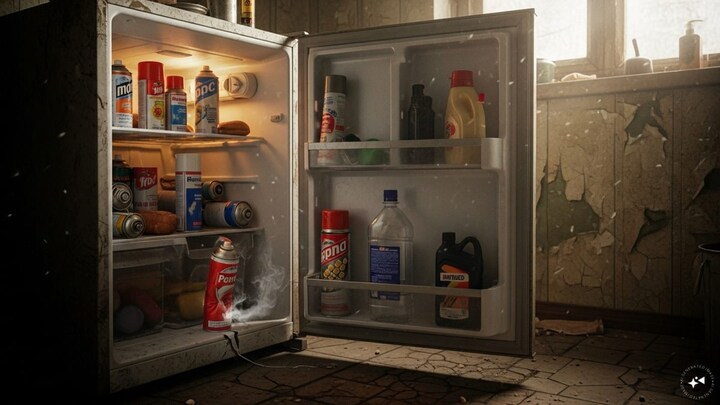
Fridge Safety 101: Preventing Explosions When Temperatures Rise
When outdoor temperatures climb, the stress placed on household cooling appliances intensifies. While catastrophic incidents are uncommon, the possibility of a refrigerator explosion exists if specific hazards are ignored. This article explains the principal causes—gas leaks, overheating, and insufficient maintenance—and outlines practical steps that anyone can follow to preserve the refrigerator’s safe operation during the hottest months.
Why Hot Weather Demands Extra Attention
During periods of elevated heat, the refrigerator’s compressor works harder to sustain the desired interior temperature. The extra workload leads to higher operating pressures inside the refrigeration circuit. When the pressure exceeds design limits, any existing weakness—such as a compromised seal or a deteriorated hose—can become a conduit for dangerous outcomes. Therefore, heightened vigilance is essential whenever the outdoor climate pushes the refrigerator’s cooling system toward its upper performance envelope.
Common Triggers of Refrigerator Explosions
1. Gas Leaks Within the Cooling System
Modern refrigerators rely on refrigerant gases to transfer heat from the interior to the surrounding environment. If a refrigerant line develops a breach, the gas can escape and accumulate in confined spaces. In the presence of an ignition source—such as a spark from a faulty electrical component—the released refrigerant may ignite, generating a rapid expansion of gases that can manifest as an explosion. Even though refrigerant formulations are designed to be less flammable, a significant leak combined with overheating can still produce a hazardous scenario.
2. Overheating of Electrical Components
The compressor, fan motors, and associated wiring generate heat as they operate. If dust, debris, or damaged insulation impede airflow, the temperature of these components can rise beyond safe thresholds. Overheating can weaken electrical contacts, cause short circuits, and create sparks. When a spark contacts leaked refrigerant, the result can be a violent release of energy that damages the refrigerator’s outer shell.
3. Inadequate Maintenance Practices
Neglecting routine inspections allows minor issues—such as loosened fittings, corroded coils, or worn door seals—to progress unchecked. A loose fitting may gradually develop a leak, while corroded coils reduce heat dissipation efficiency, forcing the compressor to work harder. Both conditions elevate internal pressures and temperature, laying the groundwork for a possible explosion if the situation is not corrected.
How to Detect Early Warning Signs
Early identification of potential problems is the most reliable method to avoid catastrophic failure. The following indicators merit immediate attention:
- Unusual hissing or buzzing noises emanating from the rear of the refrigerator, which may suggest refrigerant escaping.
- Frost buildup on the condenser coils despite the ambient temperature being warm, indicating inefficient heat exchange.
- Visible oil stains or a greasy film near connections, a possible sign of refrigerant leakage.
- Frequent cycling of the compressor, where the refrigerator turns on and off more often than normal, reflecting excessive pressure buildup.
When any of these symptoms appear, conduct a visual inspection of the refrigerator’s exterior and interior components, and consider consulting a qualified technician before the situation escalates.
Step‑by‑Step Prevention Checklist
1. Keep the Refrigerator Well‑Ventilated
Ensure that the refrigerator has at least a few inches of clearance on all sides. Adequate airflow around the condenser coils allows heat to dissipate efficiently, reducing the likelihood of overheating. Avoid placing the refrigerator against a wall or inside a confined cabinet where heat cannot escape.
2. Clean the Condenser Coils Regularly
Dust and debris on the condenser coils act as insulation, impeding heat transfer. Using a soft brush or a vacuum with a brush attachment, gently remove accumulated particles every few weeks during hot periods. This maintenance task helps the compressor operate at lower pressures.
3. Inspect Door Seals for Integrity
The seal surrounding the refrigerator door prevents warm air from entering. Examine the seal for cracks, tears, or loss of flexibility. Replace any compromised seal to maintain consistent interior temperatures and avoid forcing the compressor to work harder.
4. Verify the Levelness of the Refrigerator
A refrigerator that is not level can cause oil to accumulate in unintended areas, potentially leading to leaks. Use a spirit level to confirm that the refrigerator sits evenly on the floor, adjusting the rear feet as needed.
5. Monitor the Temperature Settings
Setting the interior temperature excessively low during scorching weather forces the compressor to run continuously. Aim for the manufacturer‑recommended temperature range, typically around 3–5°C for the fridge compartment and –18°C for the freezer. This balanced setting reduces pressure spikes.
6. Examine Power Cords and Plug Connections
Inspect the refrigerator’s power cord for frayed insulation, exposed wires, or loose plug connections. Damaged electrical components can generate sparks, which, when combined with a refrigerant leak, pose a serious explosion risk. Replace any faulty wiring promptly.
7. Conduct Periodic Professional Service
Invite a certified service technician to perform a comprehensive check of the refrigeration circuit at least once a year. The technician can test refrigerant pressure, examine valve operation, and tighten any fittings that may have loosened over time.
Understanding the Physics Behind Pressure Build‑Up
When the compressor compresses refrigerant, the gas temperature rises proportionally to the pressure. The hot gas then passes through the condenser, where it releases heat to the surrounding air and condenses into a liquid. If the surrounding air is hot and airflow is restricted, the condenser cannot shed enough heat, causing the refrigerant to remain at a higher temperature and pressure. According to the ideal gas law, pressure equals the product of temperature and the amount of gas divided by volume. Consequently, any increase in temperature directly raises pressure inside sealed components. When pressure exceeds the design rating of joints, seals, or hoses, those components may rupture, permitting refrigerant to escape.
Recognizing this relationship emphasizes why maintaining proper ventilation, cleaning coils, and avoiding extreme temperature settings are critical measures to keep pressure within safe limits.
What to Do If a Leak Is Suspected
If inspection reveals signs of refrigerant loss, immediately shut off the refrigerator’s power by unplugging the unit. Avoid operating the refrigerator with a compromised refrigerant system, as the compressor may overheat and cause additional damage. Contact a licensed refrigeration service professional to assess the leak, repair or replace faulty components, and recharge the system with the appropriate refrigerant type.
Emergency Response in the Event of an Explosion
Although explosions are rare, being prepared can mitigate injury and property loss. Follow these steps if a sudden burst of sound, fire, or smoke emerges from the refrigerator:
- Evacuate the immediate area to maintain a safe distance from potential fire or debris.
- Activate a fire alarm and call emergency services without delay.
- If a fire starts, use a Class B fire extinguisher—appropriate for flammable liquids and gases—to suppress the flame, only if safe to do so.
- Do not attempt to open the refrigerator door until authorities declare the area safe.
After the incident, consult a professional to evaluate the structural integrity of the surrounding cabinetry before reinstalling a new refrigerator.
Myths and Misconceptions
Several circulating beliefs exaggerate the risk of refrigerator explosions. While it is accurate that gas leaks and overheating can create dangerous conditions, modern refrigeration systems incorporate safety valves designed to release excess pressure gradually. These valves greatly reduce the probability of a sudden rupture. Nevertheless, the safety measures outlined in this article help ensure that those built‑in protections are never overwhelmed.
Conclusion: Proactive Care Guarantees Safety
Keeping the refrigerator safe during hot weather does not require specialized engineering knowledge—just consistent, proactive care. By watching for early warning signs, maintaining clean and well‑ventilated surroundings, verifying that seals and electrical connections remain intact, and scheduling professional inspections, homeowners can effectively eliminate the rare circumstances that lead to explosions. The result is a reliable cooling appliance that endures the heat without compromising safety.