How it all began: a modest start in Abu Dhabi
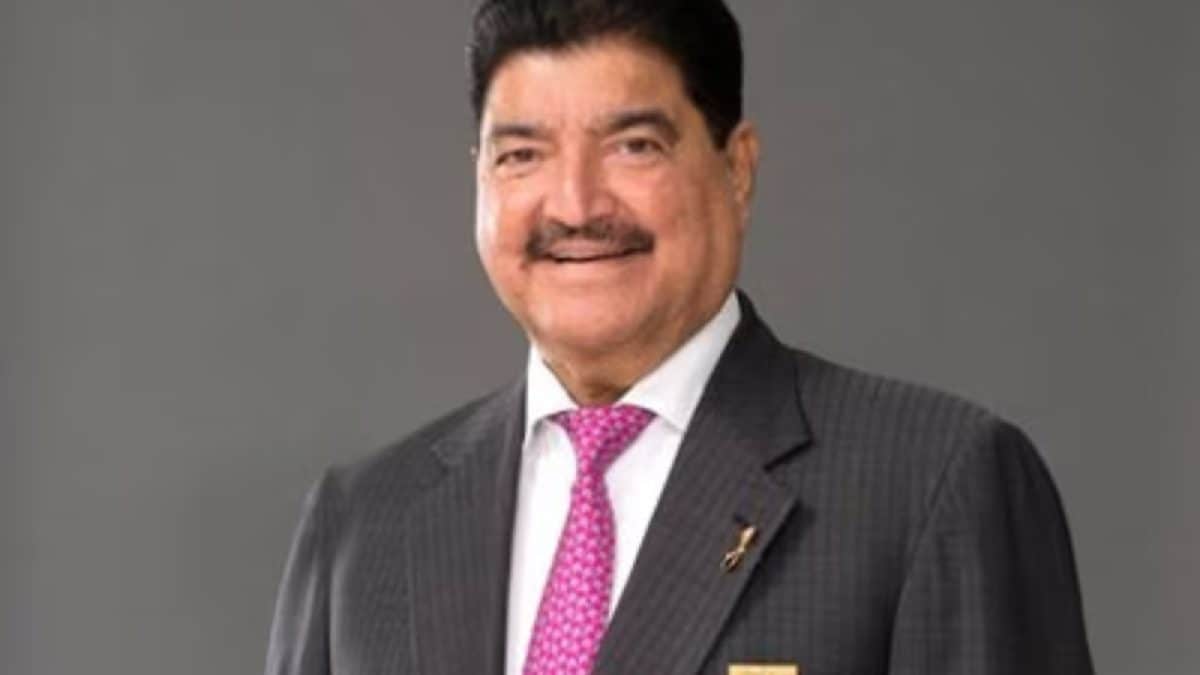
Back in 1975, with a loan that amounted to just 15,000 dirhams – roughly Rs 34,268 – B R Shetty opened the doors of the New Medical Centre in Abu Dhabi. It was nothing more than a tiny clinic, and the only doctor on staff was his wife, Chandrakumari Shetty. The idea was simple: provide affordable health‑care to ordinary folks who couldn't afford the pricey private hospitals that were sprouting up across the Gulf. I still remember my uncle telling me how, in those days, a visit to a clinic could mean sitting on a wooden bench for hours, but the New Medical Centre promised quicker service and lower bills. That little venture was the seed that grew into a massive network.
From pharmacy shelves to a health‑care empire
Before the New Medical Centre, B R Shetty had arrived in the UAE with barely 7 dirhams (about Rs 50‑60) in his pocket in 1973. Trained as a pharmacist, he became the region's first medical representative, knocking on doors and selling medicines directly to households. Walking from one lane to another, he realised that most people could not afford the prescribed drugs, and there was a glaring gap between what the market offered and what the masses needed. That insight sparked his ambition to create a chain of clinics that would combine low‑cost treatment with reliable quality.
Over the next few years, B R Shetty expanded aggressively. In 1981, he launched New Medical Centre Trading, a venture that handled the procurement and distribution of medical supplies across the Gulf. Then, in 2003, came Neopharma – a pharmaceutical manufacturing unit that let him produce generic medicines locally, cutting down import costs. Each new arm fed into the next, creating a self‑reinforcing ecosystem that kept the prices low and the reach wide.
The empire spreads its wings
By the time the 2010s rolled around, the New Medical Centre had grown into the largest private health‑care provider in the United Arab Emirates. It was treating more than four million patients each year across 45 facilities in twelve cities and eight countries – from Oman down to Brazil, and even some European outposts in Spain, Italy, Denmark, and Colombia. Imagine a typical Indian family travelling to Delhi for a specialist appointment; now picture a similar scenario in Abu Dhabi, but the waiting list is practically non‑existent because the New Medical Centre network had taken care of the bulk of routine cases.
During this boom, B R Shetty also diversified into non‑health sectors. He bought stakes in iconic assets, including a share of the Burj Khalifa, owned luxurious cars and private jets, and added a handful of real‑estate projects to his portfolio. It was the kind of success story you’d hear on TV – a small‑town lad turning into a global tycoon.
Awards, recognition and the London listing
In 2009, the Indian government honoured B R Shetty with the Padma Shri, the country's fourth‑highest civilian award, for his contributions to trade and business. It felt like a validation of his years of hard work – a little boy from Udupi being recognised on a national platform. Two years later, the New Medical Centre went public on the London Stock Exchange. Listing on a major global exchange unlocked fresh capital, and B R Shetty used that money to fuel even more expansion, both in health‑care and in financial services.
2018 marked another milestone when B R Shetty introduced Finablr, a holding company that bundled together his various financial‑services ventures – everything from money‑transfer kiosks to digital wallets. The market loved the idea, and suddenly B R Shetty’s net worth swelled enough for him to appear on the Forbes World’s Billionaires list in 2014. It was the kind of glamour you see on the covers of business magazines – glossy photos, opulent yachts, and a smile that seemed to say, “I’ve made it.”
The first cracks: short‑seller accusations
Everything changed in 2019 when a US‑based short‑seller named Muddy Waters released a damning report. The document alleged that B R Shetty had concealed more than Rs 48,967 crore in debt across roughly 80 banks. It also claimed that revenue figures had been cooked up to show higher profitability and to keep the stock price artificially high. For a regular Indian investor, it felt similar to hearing about a well‑known cricket star being caught cheating – the shock was immediate and widespread.
News of the report spread like wildfire on WhatsApp groups, among traders on the NSE, and even in the corridors of banks in Dubai. Lenders, once eager to fund B R Shetty’s ventures, started to pull back. The confidence that had built the empire began to crumble, and the financial structure that supported his massive operations started to wobble.
From towering heights to a fire‑sale
With debt piling up and no buyer willing to swallow the liabilities, the empire began to disintegrate. Assets that once symbolised success were now being auctioned off at rock‑bottom prices. The most startling deal was the sale of Finablr. Once valued at about Rs 12,000 crore, it was sold for a symbolic Rs 74 – a price that really reflected the massive debt and legal risk attached, not its actual business potential.
Other parts of the business also faced similar fates. Hospitals were taken over by local operators, pharmaceutical units were either merged or sold, and even the stakes in iconic properties were relinquished. It was akin to watching a beloved old cinema hall being turned into a multiplex – something familiar replaced by something unrecognisable.
Legal aftermath and ongoing battles
Following the collapse, authorities in the United Arab Emirates launched several criminal and civil cases against B R Shetty. Investigations focused on alleged forgery, money‑laundering, and the creation of fake loan documents. Simultaneously, India’s Central Bureau of Investigation opened a probe, examining the cross‑border financial transactions and whether any Indian banks had been misled.
B R Shetty eventually left the UAE and moved back to Mangaluru, saying he needed to attend to his brother’s illness. He has repeatedly denied any wrongdoing, insisting that he is a victim of a coordinated fraud attempt against him. The legal saga continues, with court appearances, asset freezes, and a never‑ending stream of news articles keeping the public interested.
What we can learn from the saga
Reading about B R Shetty’s journey makes you think about how quickly fortunes can rise and fall in today’s globalised world. It also highlights the importance of transparency – especially when a business expands beyond its home country and deals with multiple regulators. For many Indian entrepreneurs, the story serves as both inspiration and caution: start small, work hard, but always keep the books clean and the investors informed.
On a personal note, whenever I hear friends talk about the New Medical Centre during our chai sessions, I can’t help but picture the tiny clinic in Abu Dhabi where it all began. It’s a reminder that behind every giant corporation there’s often a simple, human story – one that can turn into a legend, or into a lesson, depending on how it’s handled.