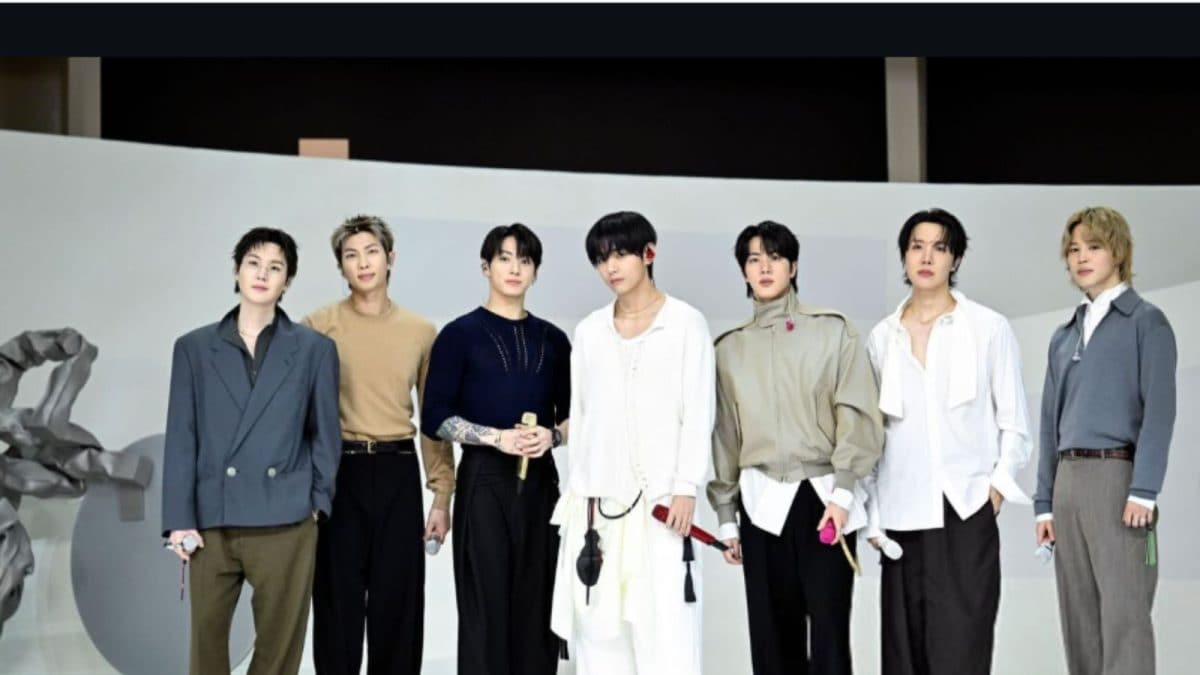
Hey friend, let me tell you how BTS made a roaring comeback with their fifth studio album ARIRANG.
BTS needs no introduction, right? The group has fans from Delhi to Delhi‑NCR, from Mumbai’s local trains to the back‑yards of villages in Tamil Nadu. Their story, though, is as interesting as their music – it’s full of hard work, a bit of luck, and a whole lot of perseverance. If you ever wondered how these seven guys – RM, Jin, Suga, J‑Hope, Jimin, V and Jungkook – became the biggest boy band on the planet, stick with me. I’ll walk you through their beginnings, the meaning behind the name, the rise to global fame, and the latest chapter with ARIRANG.
How the Seven Came Together
It all started with a company called Big Hit Entertainment – which now goes by the name HYBE Corporation. Back in 2013, Big Hit was still a small player in the massive K‑pop industry. They wanted to try something different, so they held auditions across South Korea. The first three guys to get the nod were RM, Suga and J‑Hope. These three were already honing their rap and production skills, and the label saw in them a raw potential that could be shaped.
After that initial trio, the doors remained open for more talent. Jin, the tall, good‑looking trainee from Anyang, entered the picture through a separate audition. He had a dream of becoming an actor, but his vocal ability impressed the judges, and soon he was part of the line‑up.
Next came Jimin, who had been training in contemporary dance for years. He was discovered when he performed a dance cover at a school festival and caught the eye of a scout. The scouts brought him to Big Hit, and his strong stage presence earned him a spot.
V, whose real name is Kim Taehyung, was a bit of an outlier. He originally auditioned for a different agency, but after hearing that Big Hit was looking for a vocalist with a unique timbre, he sent in a demo. The team loved his deep, soulful voice and quirky personality, and they invited him to join.
Finally, Jungkook, the youngest, was discovered through an online audition platform. He was just fifteen when he entered the training system, and his vocal range and dance skill quickly made him stand out. By the time the group officially debuted, the seven of them had spent months, sometimes years, in rigorous training – vocal lessons, dance rehearsals, language classes, and endless practice sessions.
All this hard work led to the debut on June 13, 2013, with a single album titled *2 Cool 4 Skool*. The title itself gave a hint of their rebellious spirit – they weren’t going to follow the usual polished pop formula. Their early songs talked about school life, the pressures of teenage years, and the feeling of being stuck between expectations and desires. It was fresh, it was honest, and it resonated with many youngsters in Korea and later, across the world.
What Does BTS Actually Stand For?
The name BTS is an acronym that originally meant ‘Bangtan Sonyeondan’, which in English translates to ‘Bulletproof Boy Scouts’. According to J‑Hope, who once appeared on a South Korean radio show called Kiss the Radio, the name reflects the group’s intention to “block out stereotypes, criticisms and expectations that aim at adolescents like bullets”. In simple terms, they wanted to become a shield for their peers, standing strong against societal pressures.
But the story doesn’t end there. In 2017, the group announced that BTS would also stand for ‘Beyond the Scene’. This new meaning was meant to show that they were no longer just teenage scouts; they had grown into adults who wanted to keep moving forward, opening new doors and exploring new ideas. It’s kind of like saying they are not just protecting the youth, but also leading the way for everyone beyond the present moment. The dual meaning captures the evolution of the group – from a defensive stance to an aspirational one.
From Underground to Global Phenomenon
After their debut, BTS slowly built a fanbase, but the real breakthrough came with a series called *The Most Beautiful Moment in Life* – released in two parts between 2015 and 2016. These albums addressed the ups and downs of youth, touching on themes like love, loss, and the search for identity. Songs like “I Need You” and “Run” felt like a diary entry for many teenagers, especially those worrying about college exams or jobs.
What made them stand out was their willingness to talk about mental health, a subject rarely discussed openly in Korean pop culture. They opened up about anxiety, depression, and the pressure to succeed. This honesty created a deep bond with fans, who started calling themselves “ARMY” – an acronym for “Adorable Representative M.C. for Youth”. The relationship between the group and the fans became more than just music; it turned into a community of support.
Sales numbers started climbing fast. By 2018, the album *Love Yourself: Tear* topped charts worldwide, even breaking into the top ten of the US Billboard 200. Then, in 2020, *Map of the Soul: 7* smashed records, becoming one of the best‑selling albums of the year. Their concerts filled stadiums in Seoul, London, New York and even in small towns across India where fans gathered in parks, streaming live performances on their phones.
One thing that truly amazed me was watching how BTS used social media. While most Korean idols relied on glossy promotional videos, BTS often posted behind‑the‑scenes clips – rehearsals, travel mishaps, even their cooking experiments. It felt like you were part of their daily life, not just a spectator. That authenticity made them feel like a friend you could chat with over chai.
During this meteoric rise, the individual members also explored solo projects. RM released mixtapes that showed his lyrical depth; Suga (also known as Agust D) dropped a gritty rap album that talked about his struggles with depression; J‑Hope’s solo songs had a bright, optimistic vibe; and Jungkook’s covers on YouTube gathered millions of views. Yet, despite these solo ventures, they always came back together, reinforcing the idea that the group’s strength lies in unity.
Latest Chapter: ARIRANG and the ‘SWIM’ Era
After a four‑year period where each member pursued personal projects and completed the mandatory military service that all Korean men have to do, the seven‑member group finally made a big comeback with their fifth studio album *ARIRANG*. The album title itself is a nod to a traditional Korean folk song, symbolising a connection to roots while moving forward.
The lead single, ‘SWIM’, is a full‑English track – a first for the group’s main promotional song. The music video was shot in Lisbon, with its iconic tram and pastel‑coloured buildings serving as a backdrop. Watching the video, I felt a mix of excitement and a bit of wanderlust; the scenes of the members dancing on narrow streets reminded me of the bustling lanes of old Delhi, only with a European twist.
To celebrate the album, BTS performed at Gwanghwamun Square in Seoul – a massive open space that’s usually filled with tourists snapping pictures of the statues of King Sejong. This time, the square turned into a sea of ARMYs waving light sticks, chanting lyrics in unison. The performance was streamed live in India on Netflix, and I watched it on my laptop while sipping masala chai, feeling like I was right there among the crowd.What’s impressive is how they managed to blend their newer, more mature sound with the youthful energy that made them famous. Songs like ‘Moon’ and ‘Lost’ have a reflective tone, while tracks such as ‘Firefly’ bring back the energetic rap verses that fans love. The lyrical content touches on themes of freedom, self‑discovery, and the courage to keep moving forward – ideas that resonate with anyone who’s faced a crossroads.
Fans are already talking about upcoming world tour dates. The group has hinted at a few stops in Europe and North America, but they also promised to come back to India – perhaps a stadium concert in Mumbai or a grand show in Bangalore. The excitement is palpable; I see people on social media making fan art, creating countdowns, and even organising road trips just to attend the concert.
Impact, Legacy, and What It Means for Us
Beyond the glitter and the sold‑out arenas, BTS’s journey tells a bigger story about perseverance and staying true to oneself. In India, where many youngsters face parental pressure to get into engineering or medicine, BTS’s messages about mental health and self‑acceptance have become a source of comfort. I’ve heard friends in Pune talk about how a particular lyric helped them get through a tough exam period.
Their influence also extends to charitable work. The group has partnered with UNICEF for the “Love Myself” campaign, which aims to end violence against children and teenagers. Their involvement shows that they’re not just about music; they want to make a difference in real life.
One thing I love about the BTS story is that it’s still unfolding. Even after more than a decade, they keep reinventing themselves, exploring new sounds, and connecting with fans in fresh ways. It’s like watching a favorite TV series that never gets boring because the characters grow and adapt.
So, whether you’re a die‑hard ARMY who knows every line of “Dynamite”, or you’re just curious about how a group of seven teens from a small agency became a global phenomenon, the BTS saga is a reminder that hard work, authenticity, and a supportive community can take you further than you ever imagined.