How it all began during the lockdown
Honestly, when the whole country shut down and we were all stuck at home, I found myself scrolling through endless news feeds and feeling a bit restless. One evening, while sipping masala chai on my balcony, I glanced at the small potted herbs I had and thought, "Why not do something bigger?" That thought sparked the whole idea of turning a piece of dry land I owned in Tamil Nadu into something useful. I didn’t have a fancy plan ready – just a simple wish to plant trees and see them grow.
So, I made the call, bought a few coconut saplings, and started sketching out a rough layout on a napkin. It felt like a tiny adventure, something to keep my mind busy while the world was on pause. The biggest thing that kept me going was the belief that, even in lockdown, I could still contribute positively – not just for myself but for the local community too.
Getting the land ready – it wasn’t just a walk in the park
The piece of land I chose was a typical dry patch near my hometown. The soil was cracked, brown, and frankly looked like it hadn’t seen water in ages. I remembered my grandparents saying that such land needed a lot of love before any tree could thrive. So, I started with the basics – clearing out the weeds, removing old stones, and letting the soil breathe.
In most cases, you need to improve the soil’s fertility. I dug a shallow trench all over the field and mixed in organic compost that I sourced from a nearby farm. The compost smelled earthy, like the monsoon rains after a long summer, and it gave the soil a nice dark colour. I also added some neem leaves as a natural pest repellent – a tip my aunt gave me, because she always swears by neem for keeping insects away.
One practical observation: the soil was really hard after the first rains, so I had to break it up with a simple hand‑tiller. It was back‑breaking work, but the sound of the soil cracking under the tines felt oddly satisfying. I’d often take short breaks to sip on buttermilk, just like we do after a long walk in the fields.
Planting the coconut saplings – patience is the real hero
Now, planting coconut saplings is not like planting a quick‑growing mango seed. These babies take time. I bought around fifty young saplings from a reputable nursery in Chennai. They were about a foot tall, with tiny fronds already sprouting. I spaced them about ten metres apart, giving each enough space to grow tall without crowding.
When I placed the first sapling into the ground, I felt a mix of excitement and nervousness. I dug a hole deeper than the root ball, gently set the sapling, and covered it with the enriched soil I had prepared earlier. I water‑ed each one with a bucket of water, making sure the soil settled nicely around the roots. In most cases, the first week is critical – you need to keep the soil moist but not water‑logged.
During the first few months, the saplings looked a bit droopy, especially when the summer heat hit hard. I reminded myself of the monsoon songs my mother used to sing, telling us that patience brings rain. And indeed, after a couple of unexpected showers, the saplings perked up. I also started a simple drip irrigation system using old plastic bottles, a trick I learned from watching a DIY video.
One thing I realised was that coconut trees thrive on consistent care. I made a habit of walking through the farm early in the morning, checking each sapling’s soil moisture and removing any weeds that tried to compete. It became a routine, much like my morning walk to the local tea stall.
Renovating the terrace garden – a mini‑farm for the home
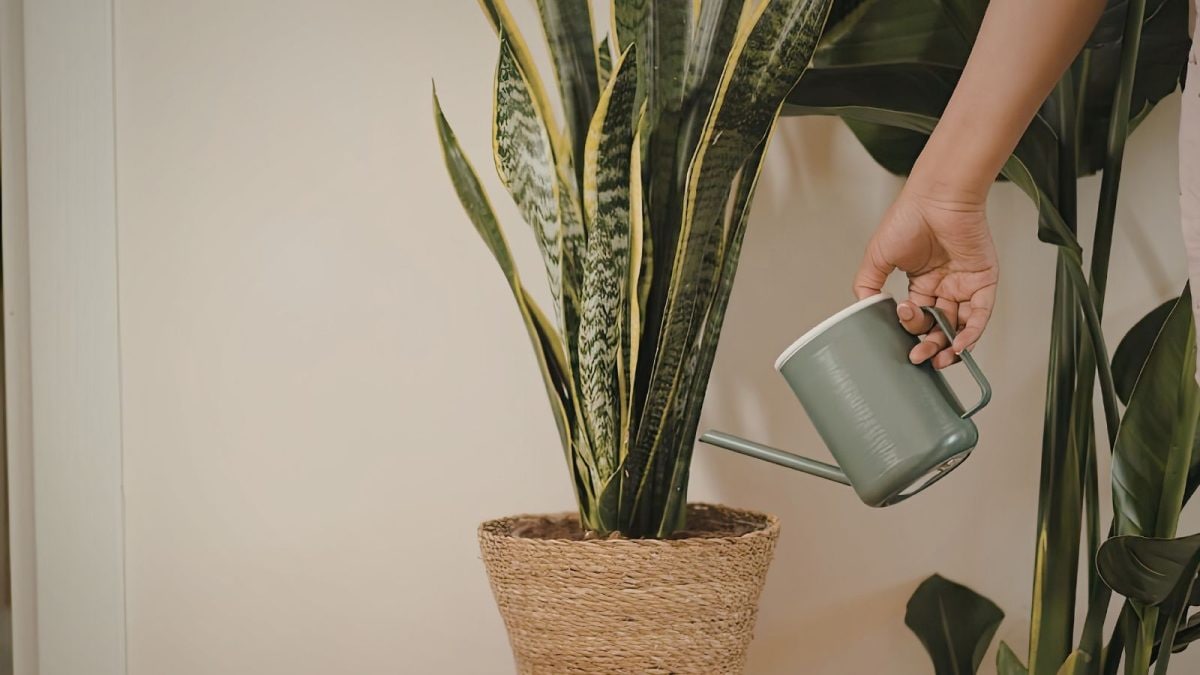
While the coconut farm was growing slowly, I decided to give my own balcony a facelift. Imagine a tiny terrace in a Mumbai chawl – limited space, but lots of potential. I cleared out the old plastic pots, laid down some fresh soil mix, and installed a few wooden raised beds. I planted mint, coriander, and a few chili varieties. The smell of fresh herbs in the morning reminded me of my mother’s kitchen, and it made the whole process feel rewarding.
One practical tip I discovered: using old tea leaves as a layer under the soil helps retain moisture. It’s something my friend from Hyderabad suggested, and it really worked – the plants needed less watering, which was great during those scorching days.
Now, I have a steady supply of fresh coriander for my daily meals. It’s funny how a tiny garden can make a huge difference in your diet. I also started growing a few lettuce leaves, which my kids love to munch on. It’s like having a farmer’s market right on my balcony.
Facing challenges – from pests to unpredictable rains
Every farmer knows that nature is both a friend and a foe. In most cases, the biggest challenge I faced was dealing with pests that loved young coconut saplings. A type of beetle would chew on the tender leaves, and at first, I panicked. Instead of using chemicals, I turned to traditional methods – I sprayed a solution made of neem oil and water, which I learned about from my grandmother’s gardening book.
The monsoon season was another roller‑coaster. Sometimes, the rains were too heavy, causing waterlogging near the saplings. To counter this, I dug small trenches around each planting line, allowing excess water to flow away. It reminded me of the drainage systems we see in Kerala’s paddy fields.
Another practical observation: the soil in that part of Tamil Nadu is quite alkaline. I added a bit of gypsum to balance the pH, a tip I picked up from a local agronomist. It helped the roots absorb nutrients better, and over time, the saplings grew sturdier.
Even with all these hurdles, the farm kept progressing. Within a year, the first set of saplings started showing small fronds, and by the end of the second year, a few were already producing tiny coconut sprouts. It was a feeling akin to seeing a child take its first steps – pure joy.
Impact on the community – creating jobs and spreading Green vibes
One of the most rewarding parts of this whole journey was seeing how the farm helped my neighbours. I hired a couple of local youths to help with soil preparation, planting, and maintenance. They learned new skills, and in most cases, they earned a decent wage that helped their families. It reminded me of the cooperative spirit we see during harvest seasons in villages across India.
As the coconut trees matured, we started harvesting a few coconuts each season. I shared these with the nearby families, who used the coconut water for drinks and the husks for making traditional brushes. This small exchange created a sense of community, much like when we share mangoes during summer.
The farm also became a talking point for my friends and fans. Many of them asked me how they could start similar projects in their own hometowns. I began sharing simple guides on social media – nothing fancy, just step‑by‑step instructions and a few anecdotes from my own experience. It’s amazing how a simple idea can spark a ripple of Green initiatives.
Personal reflections – why I keep going back to the farm
Honestly, after three years, when I walk through the rows of tall coconut trees, I feel a deep sense of calm. The farm isn’t just about producing coconuts; it’s about reconnecting with the land, with nature, and with the simple joys of watching something grow from a tiny sapling to a towering tree.
There are days when I still feel the same excitement I had during that first lockdown evening – the thrill of planting something new, the anticipation of watching it thrive. Even the terrace garden, though small, reminds me that nurturing life doesn’t always need a massive field. A few pots on a balcony can bring the same happiness.
In most cases, the biggest lesson I’ve learned is that consistency beats intensity. A little bit of care every day, whether it’s watering, weeding, or just checking the health of the plants, adds up over time. It’s a principle that works both in farming and in life.
So, if anyone is reading this and thinking of starting their own garden or farm, my advice is simple: start small, stay patient, and enjoy the process. Remember the scent of fresh soil after rain, the taste of home‑grown coriander, and the sight of a coconut swaying in the breeze – those are the moments that make all the hard work worth it.
Looking ahead – what’s next for the farm?
Looking forward, I plan to expand the farm a bit more, perhaps adding a few mango saplings alongside the coconut trees. I also want to set up a small nursery on the premises, where locals can purchase saplings at affordable rates. It’s still early, but the idea feels right – to keep giving back to the community that supported me.
Meanwhile, on my terrace, I’m thinking of adding a vertical garden system to grow more leafy Greens. It’s a neat way to maximise space, especially when the monsoon rains limit outdoor gardening.
All in all, the journey from a barren piece of land to a bustling coconut farm has been one of the most fulfilling chapters of my life. It shows that even during lockdown, when the world seemed to stop, growth can happen if you put in the effort and stay connected to the earth.