Why I started paying attention to this story
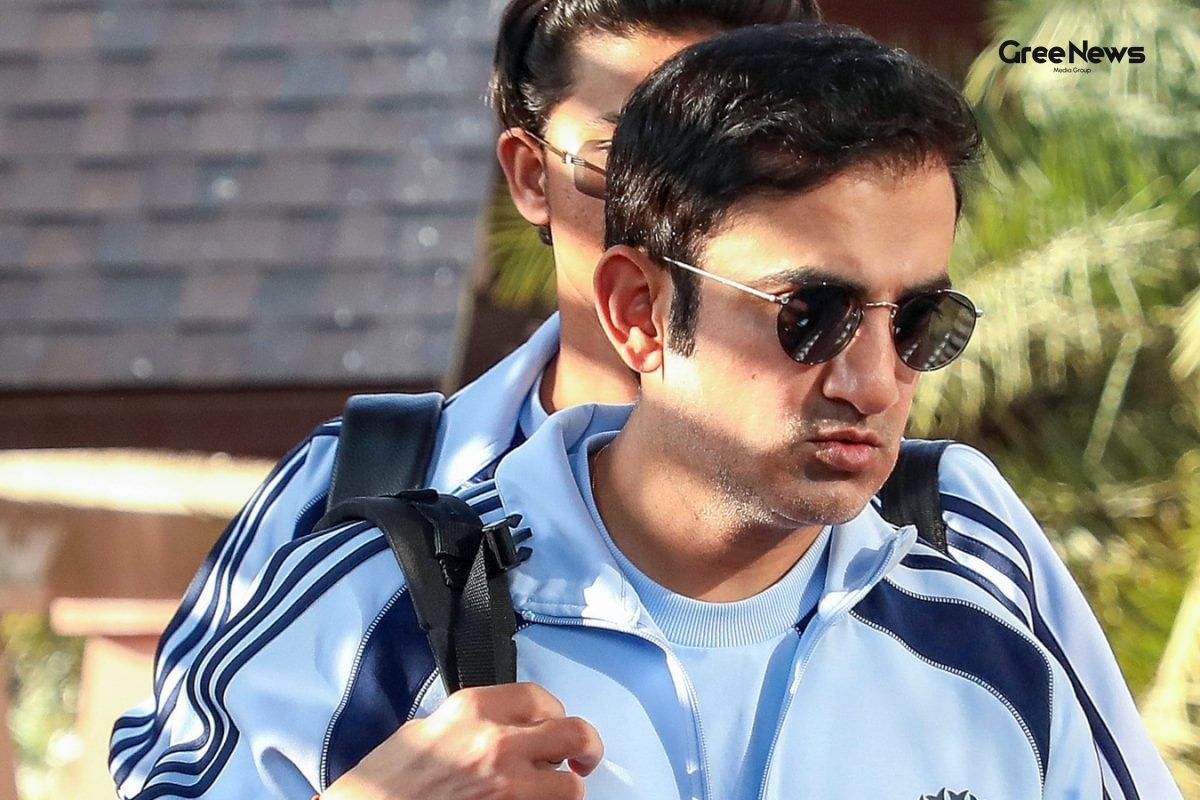
It was a typical evening in Mumbai I was scrolling through Instagram while waiting for my chai to cool down, when a video popped up with the headline “Gautam Gambhir resigns as India coach”. The thumbnail showed an angry‑looking Gambhir, and the description claimed he was quitting over a selection dispute. Naturally, I thought, “What? This can’t be true, because I just saw him speaking at a press conference a few days back”. The video had already amassed nearly three million views, and the comment section was buzzing with memes and angry reactions.
That was my first encounter with what turned out to be a deepfake, a piece of viral news that was clearly fabricated using AI tools. The experience made me curious, and I started checking other platforms X (formerly Twitter) and YouTube only to find similar clips, each claiming to show Gambhir saying something he never said. That’s when I realised this wasn’t just a random prank; it was a coordinated digital impersonation campaign that had grabbed the attention of millions across India.
What exactly happened? The lawsuit in a nutshell
Two‑time World Cup winner and current India head coach Gautam Gambhir has now taken the fight to the courts. He filed a civil suit in the Delhi High Court, seeking protection against what he describes as a well‑orchestrated campaign of AI‑driven impersonation. The complaint lays out the following key points:
- Artificial intelligence tools were used to create fabricated videos of Gambhir on major social media platforms Instagram, X and YouTube.
- One video, masquerading as a resignation announcement, racked up more than 2.9 million views.
- Another clip purportedly showing Gambhir commenting on senior cricketers’ participation in the World Cup earned over 1.7 million views.
- Online marketplaces are selling posters and merchandise bearing his name and likeness without any permission.
The suit names a total of 16 defendants individual social media accounts, e‑commerce giants such as Amazon and Flipkart, and technology behemoths including Meta, X Corp., and Google (the owner of YouTube). The Ministry of Electronics and Information Technology and the Department of Telecommunications have also been added as proforma parties to help enforce any future court orders.
Gambhir is seeking ₹2.5 crore (roughly $300,000) in damages, a permanent injunction to stop further misuse of his identity, removal of all infringing content, and the disclosure of any revenue earned from the illegal usage.
How the fake videos spread like wildfire
When I first saw the resignation video, the comment thread was full of people sharing it with their WhatsApp groups, adding captions like “Shocking! Coach Gambhir quits”. Within a few hours, the clip was trending on X, with hashtags such as #GambhirResigns and #DeepfakeIndia gaining traction. This is a classic example of how breaking news can sometimes be misleading the platforms’ algorithms amplify sensational content without verifying authenticity.
Even on YouTube, the video was re‑uploaded by different channels, each with a slightly altered thumbnail to attract more clicks. The total view count across all uploads crossed the two‑million mark, making it one of the most viewed trending news India stories of the week, despite being fake.
What’s interesting and a little unsettling is how quickly people started creating memes and reaction videos, treating the deepfake as a real event. In my own family, my cousin, who works in an advertising agency, showed me a meme that paired the fake resignation clip with a popular Bollywood song. It made me think about how much trust we place in what we see online, especially when it involves celebrities we admire.
The legal battle: What does Gambhir want and why it matters
From a personal standpoint, I can understand why Gambhir would be upset. It’s not just about the embarrassment of being seen saying things he never said; it’s also about the commercial loss and the dilution of his brand. The complaint points out that unauthorised posters and merchandise are flooding online stores, capitalising on his image without any royalty or consent.
In most cases, public figures rely on their image for endorsements and coaching contracts. When a deepfake is shared widely, it can tarnish their reputation, affect their market value, and even lead to legal complications with sponsors. That’s why the suit seeks a permanent injunction basically a court order that tells anyone, from social media platforms to e‑commerce sites, to stop using his likeness without permission.
Another key demand is the disclosure of any revenue generated from the infringing content. If a platform earned ad money from a fake video, Gambhir wants a share of that. It’s an interesting legal angle that could set a precedent for future deepfake cases in India something that could impact not just cricketers but actors, politicians and other public figures.
Why this case is a bell‑wether for AI‑generated content in India
The Indian government has been talking about regulating deepfakes for a while now, but concrete action has been slow. This lawsuit brings the issue into the limelight as breaking news that ordinary netizens can’t ignore. With the Ministry of Electronics and Information Technology and the Department of Telecommunications named as parties, the court’s decision could push lawmakers to draft stricter guidelines on AI‑generated media.
In most cases, platforms like Meta, X and Google claim they are just “intermediaries” and that they remove offending content only after a complaint is filed. However, the sheer volume of AI‑created videos makes it hard for them to police everything in real time. The suit’s inclusion of these tech giants could force them to improve detection tools maybe something akin to the “deepfake detection” algorithms that scholars are currently developing.
From a personal angle, I have friends who manage small e‑commerce stores on platforms like Flipkart. Their experience shows that once a product image is uploaded with a popular celebrity’s face, it can go viral and bring in unexpected sales. If that image is a manipulated one, the seller may be unintentionally infringing the celebrity’s rights. This lawsuit could teach many small business owners a valuable lesson about verifying content before using it commercially.
What does this mean for the fans and the cricket community?
Being a huge cricket fan myself, I know how quickly we share news about our heroes. The moment a big announcement drops, it spreads faster than a six across the boundary. When the fake Gambhir resignation video went live, many fans expressed disappointment and even started questioning the team management’s decisions.
Many people were surprised by this not just because the video was false, but because it highlighted a larger problem: how easy it is to manipulate the image of a public figure you love. The incident sparked a lot of discussions on social media about media literacy, encouraging users to double‑check sources before believing and forwarding such content.
In the longer term, this could lead to a more cautious audience. Fans might start looking for verification from official handles such as the BCCI’s verified Twitter account before accepting any sensational claim. For the cricket board, it’s a wake‑up call to monitor for false content that could potentially affect team morale and public perception.
My takeaways and final thoughts
Watching this entire saga unfold reminded me of a lesson I learned early in my career: not everything that trends is true. The combination of AI tools, social media virality, and commercial exploitation makes it a perfect storm for deepfakes to thrive.
Gautam Gambhir’s decision to fight back legally shows that public figures are willing to protect their identity, and that there’s a growing appetite for real, reliable India updates. It also sends a message to the tech platforms that they can’t just sit back and watch their services be used for illicit impersonation.
What happened next is interesting the case is still in the early stages, but the courts have already ordered the immediate removal of some of the flagged content. I’m hoping this will set a precedent for quicker takedown processes and better AI‑detection mechanisms.
Until then, the best defence for all of us whether we are fans, content creators, or casual net‑surfers is to stay curious, verify before sharing, and support the fight against misinformation. After all, in this age of instant viral news, a little skepticism can go a long way.