- Parishmita Saikia
Why I Got Excited About the QR‑Code Road Sign Idea
Honestly, when I first heard about Brihanmumbai Municipal Corporation (BMC) planning to plaster QR codes on every road sign, I thought it sounded a bit like a tech‑y gimmick. But then I remembered those mornings on my way to the office, sipping chai from a roadside stall, and wondering why a certain road bore the name of a poet I had never heard of. The whole concept reminded me of the latest news India where cities are trying to blend heritage with digital tools. It felt like the kind of breaking news that could actually change the way we see our everyday surroundings.
What really hooked me was the personal angle the idea that a simple scan could instantly tell me who Kavi V R Kant was, why Cotton Green got its name, or what makes Bread Lane famous for its bakeries. In most cases, we just drive past these signs without a second thought. This proposal, pushed by BJP corporator Tejinder Singh Tiwana, promises to turn those blind spots into mini‑museums, and that sounded genuinely intriguing.
The Backstory Behind the Proposal
According to a report in Indian Express, the idea was tabled by BJP corporator Tejinder Singh Tiwana during a recent civic discussion. Tejinder Singh Tiwana highlighted that while many people instantly recognize names like Babasaheb Ambedkar or Shivaji Maharaj, there are countless other personalities who have quietly slipped out of public memory. Tejinder Singh Tiwana gave the example of Kavi V R Kant a poet whose name adorns a road in his constituency, yet few commuters know anything about his literary contributions.
Tejinder Singh Tiwana’s aim is simple: use technology to bring those forgotten heroes back into the limelight. The plan is scheduled to be debated in the upcoming civic house proceedings, and if it gets the Green light, we could soon be living in a city where each road sign doubles as a gateway to a story.
How QR Codes Would Work on Mumbai’s Streets
Picture this: you’re walking near Haji Ali and you notice a blue signboard that says “Haji Ali Road”. Right next to the usual lettering, there’s a tiny QR code. You pull out your phone, give it a quick scan, and voilà an AI‑powered digital dashboard pops up. The dashboard shows a short video about the saint Haji Ali, some animated snippets about the surrounding area’s maritime history, and a crisp paragraph summarising why the road got its name.
All existing road nameplates would keep their familiar blue look, but the QR codes would be seamlessly integrated, so nothing looks out of place. The process is designed to be user‑friendly anyone with a smartphone can scan the code and instantly get a curated blend of videos, animations and bite‑size narratives. It’s the kind of trending news India that creates buzz on social media, turning a routine commute into a learning moment.
What the AI Dashboard Will Show
The digital dashboard won’t just dump a Wikipedia paragraph. According to the Indian Express report, the platform will use artificial intelligence to pull together short, engaging content think 2‑minute videos, colourful infographics, and snappy text that reads like a story rather than a textbook. For example, scanning the QR code on the Cotton Green sign could reveal a quick clip about the cotton mills that once thrived there, accompanied by an animation of workers loading bales onto ships.
Similarly, a QR code on Bread Lane would whisk you to a visual timeline showing how bakeries fed the sailors of Bombay Harbour in the 19th century. The idea is to give both residents and tourists a compact yet immersive brush‑stroke of history, making the city’s past as accessible as the latest viral news on a smartphone.
Why This Matters for Everyday Mumbaikars
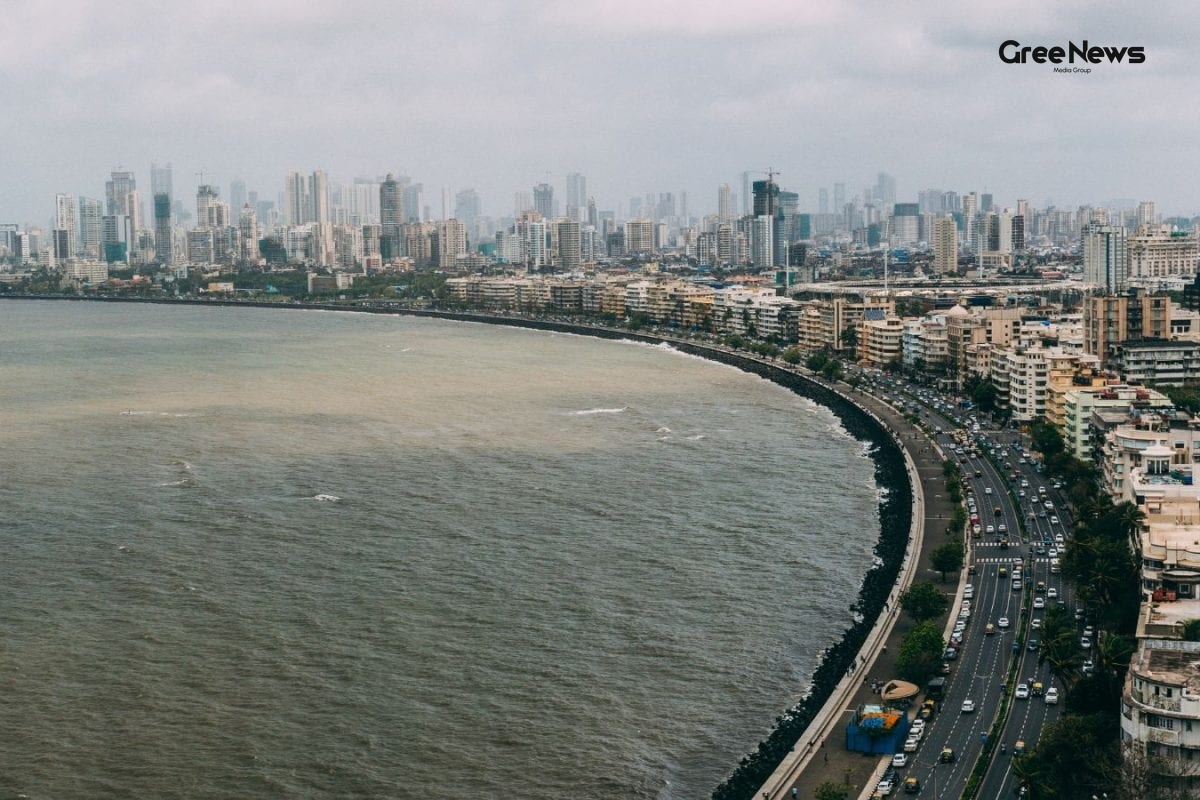
Living in Mumbai, you quickly realise how many roads are named after people scholars, freedom fighters, poets, social reformers you name it. Official civic records say there are roughly 19,000 roads named after distinct personalities. That’s a massive repository of stories hidden in plain sight. For many of us, a name like “M.G. Road” or “Mahatma Phule Marg” sparks a vague memory but not a full picture.
By turning each sign into a digital museum, Brihanmumbai Municipal Corporation (BMC) hopes to nurture a sense of pride and belonging. It also fits nicely with the current wave of India updates that focus on smart city developments. Imagine a school field trip where the kids don’t just walk past a historic lane; they actively scan QR codes, watch short clips, and discuss what they learned right there on the spot.
Real‑Life Examples I Can Relate To
When I was a college student, I used to take the local train to Dadar just to grab a vada‑pav from a stall near a road named after a freedom fighter I’d never heard of. One day, a friend showed me a QR code on a signboard outside a temple, and it led to a 30‑second video about the saint’s miracles. That tiny interaction sparked a conversation that lasted for hours. It made me realise how powerful a few seconds of digital storytelling can be.
Another time, while visiting a friend’s wedding in Bandra, I noticed a plaque that said “Bandra Reclamation Road”. A quick scan would have given me the back‑story of how the reclamation shaped the city’s skyline. It’s moments like these that turn ordinary travel into a series of tiny adventures exactly the kind of content that goes viral on social platforms.
Past Attempts and Future Hurdles
This isn’t the first time Brihanmumbai Municipal Corporation (BMC) has flirted with a QR‑code heritage project. Back in 2021, Brihanmumbai Municipal Corporation (BMC) partnered with a non‑governmental organisation to pilot a similar idea, but the plan stalled due to funding and technical challenges. The current proposal hopes to learn from those setbacks, leveraging newer AI tools and a more robust implementation strategy.
However, there are still challenges ahead. Installing QR codes on 19,000 road signs will require coordination with multiple municipal departments, upkeep of the digital content, and ensuring the codes stay functional despite Mumbai’s monsoon rains. Moreover, making the content accessible in multiple languages Marathi, Hindi, English is crucial to reach the broadest audience.
Potential Impact on Tourism and Local Businesses
Tourists love a good story, especially when it’s just a quick scan away. Imagine a visitor at Haji Ali deciding to explore the nearby lanes after learning about the area’s maritime links through the QR‑code dashboard. That could translate into longer stays at local cafés, higher footfall for small shops, and a boost for the city’s image as a culturally rich destination.
Local businesses could also benefit. A bakery on Bread Lane might add a QR code that not only tells the history of the lane but also showcases a short video of their famous sourdough being prepared. It’s a subtle yet effective way to blend heritage with marketing something that could become a trend in the next wave of viral news on digital tourism.
How It Connects with the Larger Smart‑City Vision
Across India, cities are racing to adopt smart‑city technologies from traffic‑management AI to citizen‑service portals. Mumbai’s QR‑code road‑sign initiative adds a cultural dimension to that tech drive. While many smart‑city projects focus on efficiency, this one focuses on identity, reminding residents that behind every named road lies a tale worth knowing.
For someone who follows trending news India, this feels like a refreshing angle heritage meets high‑tech. If successful, the model could be replicated in other Indian metros, turning every street corner into a mini‑museum and creating a network of digital heritage nodes across the country.
What I Hope to See When It Goes Live
My personal wish list includes a few practical things: First, the content should be regularly updated history isn’t static, and new research can add layers to an existing story. Second, there should be an offline mode where the QR‑code dashboard works even without a strong internet connection, especially during monsoons.
Third, I’d love to see community contributions. Maybe local students could create short videos about neighbourhood legends, adding a grassroots flavour to the digital museum. And finally, a simple feedback button so users can report broken QR codes or suggest improvements this would keep the system responsive and user‑centred.
Wrapping Up: A Small Scan, A Big Leap
All in all, the proposal from Brihanmumbai Municipal Corporation (BMC) to embed QR codes on road signs feels like a small step that could lead to a big cultural leap. It aligns with the current wave of breaking news about smart‑city initiatives in India, yet it stays grounded in the everyday lives of Mumbaikars.
If the civic house discussions move forward positively, we might soon be able to walk down any lane, scan a tiny code, and instantly learn about the person or place that shaped that corner of the city. That’s a kind of knowledge that stays with you a story you can share over a cup of chai, a tweet, or a chat with friends. And honestly, isn’t that what good news should do? It should inform, inspire, and spark conversation.
So, keep an eye out for any updates on this project it’s definitely one of those India updates that could change the way we experience our urban heritage.