GIFT Nifty Signals Strong Opening While Crude Oil Prices Plummet After US‑Iran Ceasefire; RBI Policy in Focus, Asian Markets Rally, Wall Street Edges Up, Brent Slides, Gold and Silver Advance
GIFT Nifty Sets the Tone for a Positive Day
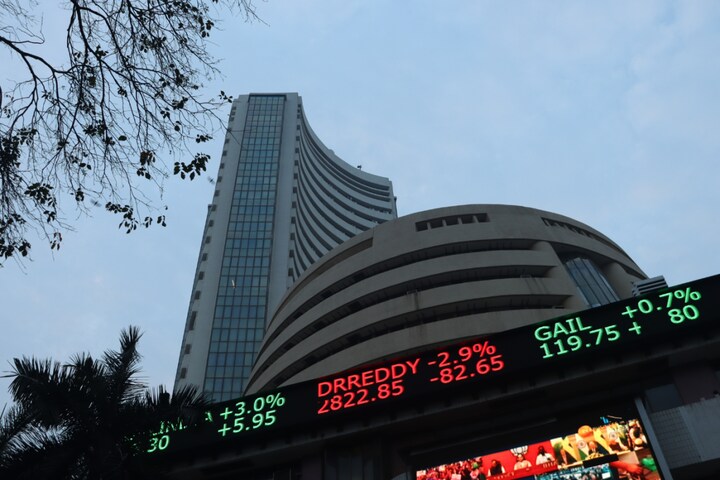
Stock Market Today Live Updates: The GIFT Nifty futures traded at 23,804, marking an increase of 653 points, which translates to a rise of 2.82 percent. This movement indicates that the benchmark indices on the domestic exchange are likely to open on a higher footing. The upward momentum in the GIFT Nifty reflects investor optimism that is being fueled by several concurrent global and domestic factors.
The surge in the GIFT Nifty suggests that the Nifty50, the principal index that tracks the performance of the top fifty large‑cap stocks, is poised to begin the trading session with a noticeable gain. Participants in the market are interpreting the GIFT Nifty’s strength as a barometer for the broader market’s direction, and the prevailing sentiment points toward a bullish opening.
Reserve Bank of India Monetary Policy Remains Center Stage
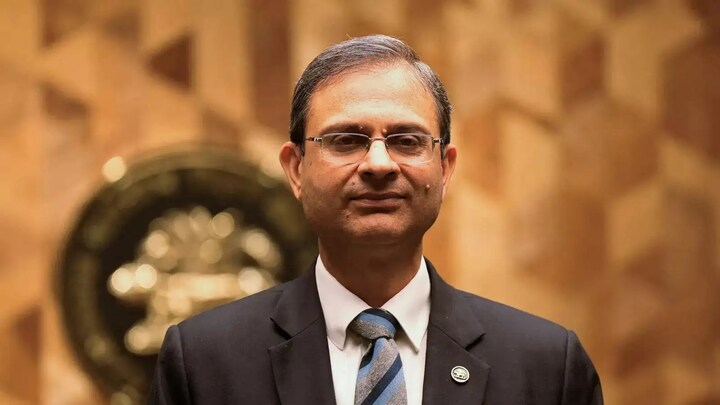
Stock Market Today Live Updates: Domestic investors are closely monitoring the upcoming deliberations of the Reserve Bank of India’s Monetary Policy Committee. The Monetary Policy Committee is scheduled to release its decision later in the trading day, and market expectations predominantly lean toward a decision to keep the repo rate unchanged. Nonetheless, the commentary that the Reserve Bank of India is expected to provide will be scrutinized for subtle cues regarding future policy direction.
The anticipation surrounding the Reserve Bank of India’s policy framework stems from the need to gauge how monetary settings will align with recent geopolitical developments that have had an impact on global commodity prices. While the headline figure of the repo rate is presumed to stay at its current level, the language used by the Reserve Bank of India in its post‑meeting statement could reveal the central bank’s outlook on inflation, growth and external risk factors.
Market participants will be listening for any mention of inflationary pressures, external supply‑side risks, and the potential impact of the recent easing of tensions between the United States and Iran. The Reserve Bank of India’s stance will likely influence short‑term market sentiment and could affect the trajectory of the Nifty50 throughout the day.
US‑Iran Ceasefire Announcement Alters Crude Oil Dynamics
United States President Donald Trump announced that Washington has aGreed to suspend its planned air strikes targeting Iran’s power plants and civilian infrastructure for a period of two weeks. The suspension is conditioned upon the full reopening of the Strait of Hormuz by Tehran.
Iran’s Foreign Minister Abbas Araghchi confirmed on the social media platform X that Iran would halt military operations. This bilateral decision to pause hostile actions has had an immediate and pronounced effect on the energy market, particularly on crude oil prices.
The cessation of hostilities between the United States and Iran removed a major source of uncertainty that had been keeping crude oil markets on edge. As a result, crude oil prices experienced a steep decline, with the benchmark Brent crude contract falling sharply.
Asian Equity Markets Experience Sharp Gains
Across the Asian continent, equity markets rallied robustly, setting a dynamic tone for the global trading day. South Korea’s Kospi index posted a substantial increase, leading the regional gains. Japan’s Nikkei 225 also recorded a notable rise.
The Kospi index posted a gain of 5.69 percent, while the Nikkei 225 climbed by 4.97 percent. These percentage moves underscore the depth of investor enthusiasm in the region, which was spurred by the easing of geopolitical risk and the expectation of more favourable conditions for trade and investment.
Analysts attribute the strong performance of Asian equities to the combination of lower energy costs, renewed optimism about regional stability, and the supportive stance of monetary authorities in the respective economies. The rally in Asian markets is expected to contribute positively to global risk appetite.
Wall Street Registers Modest Gains
In the United States, the major equity benchmarks posted marginal gains. The S&P 500 index rose by 0.08 percent, while the Nasdaq Composite increased by 0.10 percent. The Dow Jones Industrial Average added 0.18 percent to its level.
The modest upward movement on Wall Street reflects a balancing act between the positive sentiment generated by the US‑Iran ceasefire and the cautious approach that investors are maintaining in light of broader macroeconomic considerations. The slight uptick in the major indices suggests that market participants are digesting the news without overreacting.
Investors on Wall Street are also keeping a close watch on the performance of Asian markets and the direction of commodity prices, as these factors have a direct bearing on the earnings outlooks of many multinational corporations listed on the US exchanges.
Brent Crude Prices Drop Sharply
The April contract for Brent crude on the Intercontinental Exchange saw a dramatic fall of 13.6 percent, settling at $94.42 per barrel. The steep decline was driven primarily by the reopening of the Strait of Hormuz, which is one of the world’s crucial oil supply routes.
With the Strait of Hormuz functioning without interruption, concerns about supply disruptions receded, prompting traders to reassess the risk premium that had been baked into oil prices. The resulting price correction reflects the market’s rapid response to the de‑escalation of geopolitical tension in the region.
Lower crude oil prices have a cascading effect on a range of sectors, including energy‑intensive industries, transportation and consumer goods, potentially boosting profit margins and reducing cost pressures for businesses that rely heavily on oil as an input.
Gold and Silver Futures Advance
In the commodities arena, precious metals posted notable gains. Gold futures increased by 2.14 percent, while silver futures surged by 6.4 percent.
The upward trajectory in gold and silver prices can be traced to the broader market’s search for safe‑haven assets amid the unfolding geopolitical landscape. Even as crude oil prices fell, the demand for store‑of‑value assets such as gold and silver remained resilient, driven by investor preferences for assets that can preserve wealth during times of uncertainty.
These movements in the precious metals market are also being influenced by the easing of energy price pressures, which can alter inflation expectations and affect the relative attractiveness of metal assets compared to other investment options.
Implications for the Domestic Market
The confluence of a strong GIFT Nifty opening, a potential policy hold by the Reserve Bank of India, and the global ripple effects of the US‑Iran ceasefire creates a complex backdrop for the Indian equity market. The positive momentum indicated by the GIFT Nifty suggests that investors are entering the trading day with confidence, buoyed by lower energy costs and a favourable risk environment.
Should the Reserve Bank of India’s Monetary Policy Committee decide to maintain the repo rate, the decision could be interpreted as a sign of monetary stability, which would further reinforce the bullish outlook projected by the GIFT Nifty. Conversely, any language indicating concern about external risks could temper enthusiasm, leading to a more measured market reaction.
Additionally, the sharp decline in Brent crude prices may translate into lower input costs for Indian companies that are heavily exposed to energy expenses, potentially improving earnings forecasts across sectors such as manufacturing, logistics and consumer retail. The rally in Asian markets, led by South Korea and Japan, also serves as a positive signal for trade‑linked Indian firms, as stronger regional growth prospects can boost export demand.
Finally, the rise in gold and silver futures may have a dual impact. On one hand, it reflects continuing investor interest in safe‑haven assets, which could divert some capital away from equities. On the other hand, higher precious metal prices could benefit Indian companies involved in mining and metal processing, adding a sector‑specific tailwind to the broader market narrative.