Why Pakistan wants a bigger cease‑fire package
Honestly, when I first heard that Pakistan was trying to pull Lebanon and Yemen into the United States‑Iran cease‑fire talks, I thought it was a bit ambitious. But the more I read, the more I realised that Islamabad is actually serious about a regional peace push. A Pakistani source familiar with the talks told us that Pakistan is working to broaden the scope of the ongoing cease‑fire discussions between the United States and Iran to also include Lebanon and Yemen. So far, the focus has been on stopping direct clashes between the United States and Iran, but the source said Pakistan wants a package deal that covers the Israeli attacks on Lebanon and the protracted war in Yemen as well.
In most cases, diplomatic initiatives start small and then grow, and that seems to be the pattern here. Pakistan is positioning itself as a neutral ground where both the United States and Iran can sit down without the usual pressure of a Western capital. The idea is that if the United States and Iran can settle their differences, it will create a more favourable environment to address the other flashpoints in the region.
Who’s coming to Islamabad and what they hope to achieve
The plan, as far as I understand it, is that an Iranian delegation and a United States delegation will travel to Pakistan for talks. Pakistan will act as a facilitator, basically helping to keep the lines of communication open. According to the same Pakistani source, these meetings will be discussed during the upcoming talks and Pakistan expects to settle the broader agenda then.
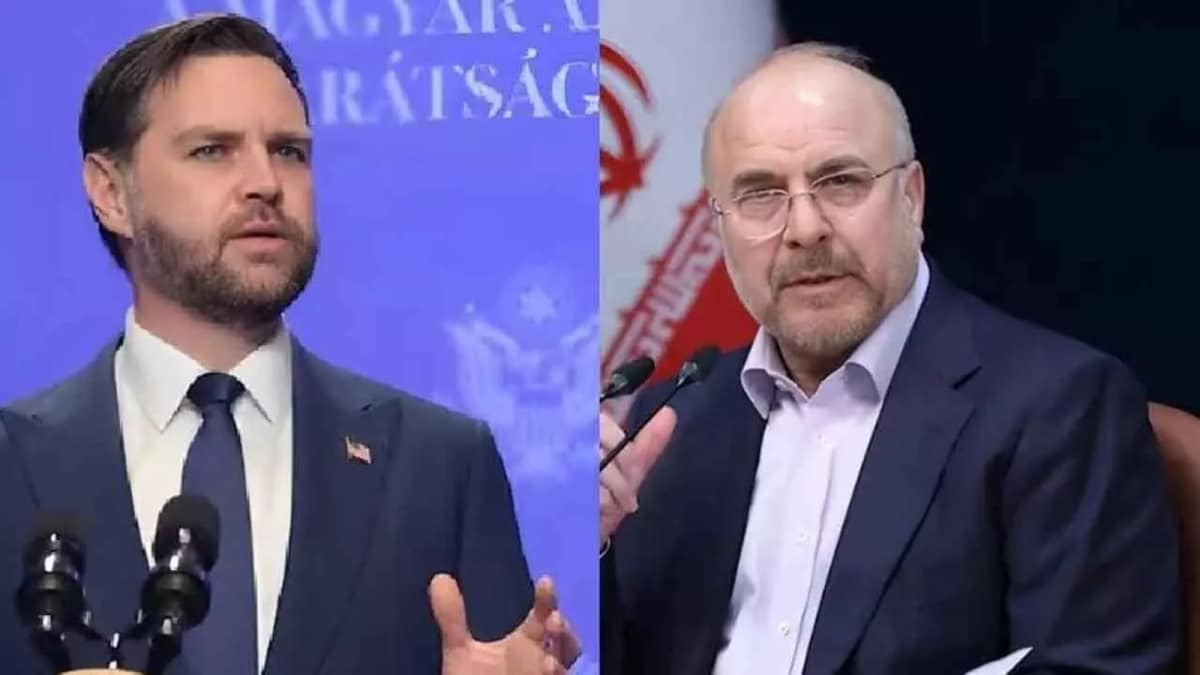
The White House has already hinted that Vice President JD Vance will lead the United States delegation in Islamabad over the weekend. That’s a big signal that the United States is taking the Pakistani initiative seriously. On the Iranian side, officials haven’t given a name yet, but the expectation is that a senior Iranian team will also be present. Both United States and Iran have confirmed their participation, although the exact schedule hasn’t been finalised yet.
It’s not just about the big names either. Pakistan’s military, represented by Field Marshal Asim Munir, is also showing up to make sure security is tight and that the talks stay on track. The whole thing feels a bit like a big family reunion, except the family members have been fighting for years and now they’re trying to sit together over a cup of chai.
Prime Minister Shehbaz Sharif’s personal outreach to Lebanon
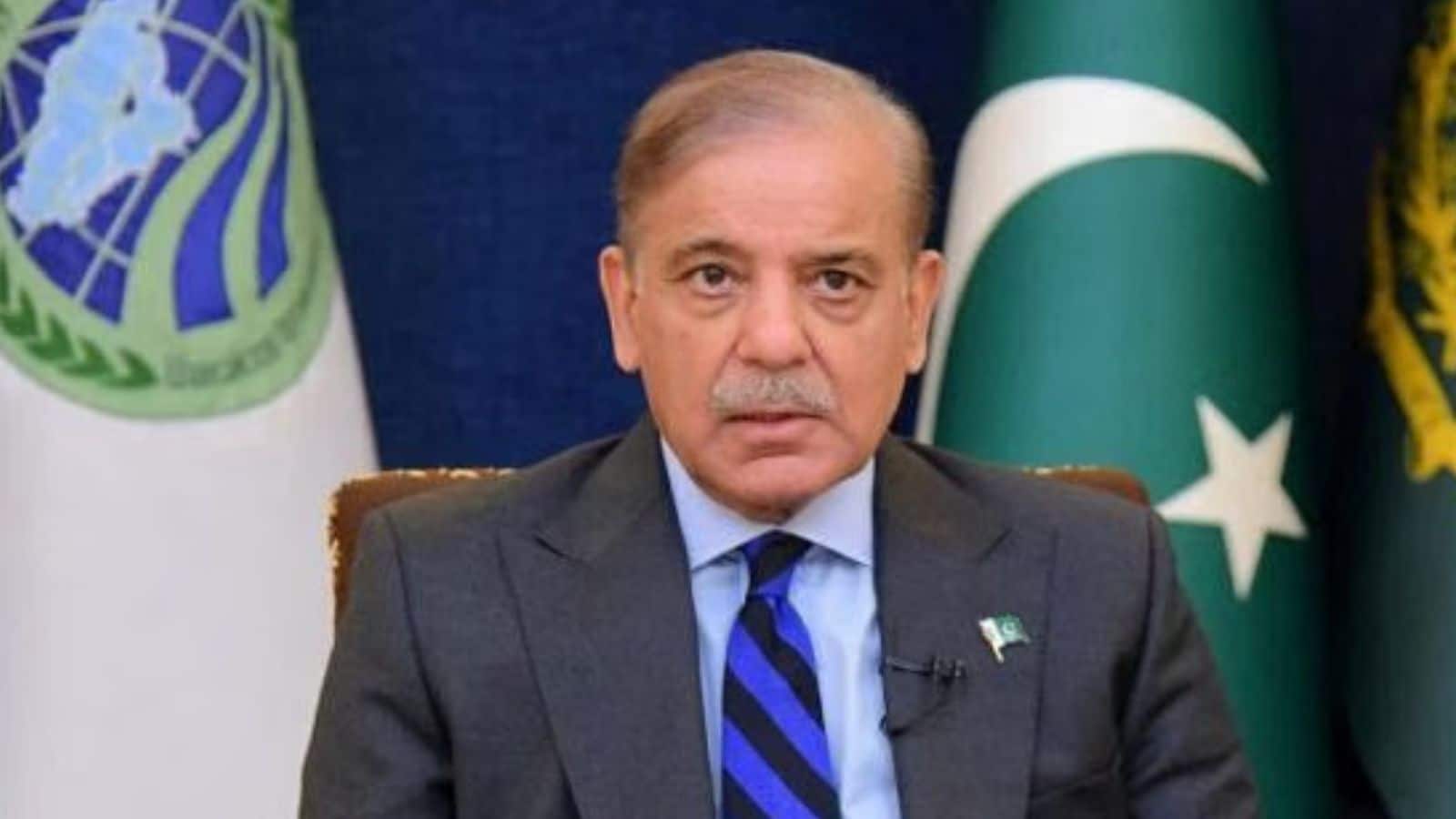
Earlier in the day, Prime Minister Shehbaz Sharif had a phone call with Prime Minister Nawaf Salam of Lebanon. Prime Minister Nawaf Salam was looking for Islamabad’s support to end the Israeli attacks on Lebanon. Prime Minister Shehbaz Sharif said Pakistan was engaged in “sincere efforts for regional peace”, and that the talks with the United States and Iran were part of that effort, according to an official statement.
What struck me was how Prime Minister Shehbaz Sharif described the whole mission – he called it a sincere effort and said Pakistan was ready to help both sides. It reminded me of the way my uncle, who works in a small transport business, always says he wants to keep his routes peaceful and safe. For Prime Minister Shehbaz Sharif, it’s about extending that same notion to an entire region.
Both Prime Minister Shehbaz Sharif and Field Marshal Asim Munir expressed satisfaction over the de‑escalation achieved so far. They also called for more steps towards peace, especially because the Israeli strikes on Lebanon have not stopped. Pakistan has welcomed signs of restraint but has also strongly criticised the continued Israeli strikes on Lebanon.
Iran’s position and the near‑miss of retaliation
Iran’s deputy foreign minister, Saeed Khatibzadeh, told ITV News that Iran was on the verge of responding to a cease‑fire violation the night before. He said “Iran was on the verge of responding to the cease‑fire violation last night”. According to Saeed Khatibzadeh, that response was avoided because “Pakistan intervened”. This shows that Pakistan’s diplomatic push isn’t just talk – it actually helped stop a potential flare‑up.
When I think about Saeed Khatibzadeh’s comment, I’m reminded of how in my neighbourhood, if two households start shouting at each other, the elder of the lane often steps in and calms them down before it turns into a street fight. Pakistan seemed to play that elder’s role in this instance.
The tension between Iran and Israel remains high, especially after Israel’s recent attacks on Lebanon. Iran warned that those Israeli actions could undermine the cease‑fire, and Saeed Khatibzadeh’s remarks underline how close the situation came to spiralling.
The wider regional context: Lebanon and Yemen
Bringing Lebanon and Yemen into the talks is a smart move, if you ask me. Lebanon is currently bearing the brunt of Israeli airstrikes, and the people there have been living under a cloud of fear for a long time. On the other hand, Yemen’s civil war has already stretched on for years, causing a humanitarian crisis that has caught the world’s attention.
Pakistan’s push to include these two countries is based on the idea that a stable regional peace can’t happen if any of the conflicts are left out. My cousin works as a doctor in a hospital in Delhi, and he always tells me that when one part of a country is in crisis, you feel the impact everywhere – be it price hikes, refugee flows, even the emotional stress of hearing about distant wars on the news. The same principle applies to the Middle East.
There is also an underlying belief that the United States and Iran, if they can find common ground, might influence the parties in Lebanon and Yemen to soften their positions. It’s a bit of a domino effect – resolve one piece and the rest can fall into place, at least that’s the hope.
What the diplomatic community is saying
International observers have noted that the Pakistani initiative could be a game‑changer. A report from Gree highlighted that the move shows Islamabad’s growing ambition to be a key mediator in South‑Asian and Middle‑Eastern affairs. Some diplomats say that Pakistan’s neutral stance – not being directly involved in the United States‑Iran rivalry – gives it a unique advantage.
At the same time, there are skeptics who argue that adding Lebanon and Yemen might complicate the talks. They fear that the United States and Iran could get bogged down in too many issues at once. However, the Pakistani source we spoke to is confident that the talks will stay focused and that the broader regional agenda will eventually be addressed.
From a personal perspective, I can see both sides of the argument. On one hand, more issues could make the conversation heavy. On the other, the region has been stuck for so long that a comprehensive approach might finally bring a breath of fresh air.
Potential outcomes and what to watch for
If the United States‑Iran talks in Islamabad manage to secure a solid cease‑fire, the next step would be to extend that mechanism to cover Lebanese and Yemeni territories. That could mean a formal aGreement signed in Islamabad, with United States and Iran pledging to halt any hostile actions that could affect Lebanon and Yemen.
One possible scenario is that Israel, seeing the new diplomatic push, might also aGree to curb its strikes on Lebanon, especially if the United States brings its influence to bear. At the same time, factions in Yemen could feel pressure to come to the negotiating table if the United States signals a willingness to ease its military involvement.
For ordinary people like me, the hope is that any aGreement leads to fewer missiles, fewer displaced families, and maybe a chance for some normalcy – like being able to sit in a cafe without hearing loud explosions in the background. It’s these small things that keep us hopeful.
Conclusion: Pakistan’s gamble for peace
All in all, Pakistan’s attempt to bring Lebanon and Yemen into the United States‑Iran cease‑fire talks is a bold gamble. The country is leveraging its diplomatic relations, its geographic position, and its reputation as a relatively neutral player to push for a larger peace framework. While the United States and Iran are the primary actors, the involvement of Prime Minister Shehbaz Sharif, Prime Minister Nawaf Salam, Field Marshal Asim Munir, Vice President JD Vance, and Saeed Khatibzadeh shows how many high‑level figures are now part of this effort.
Whether the talks will succeed or not remains to be seen. But if anything, it’s a reminder that even in a world filled with conflicts, there are still people and nations willing to sit down, talk over tea, and try to find a way forward. And for us regular folks, that gives a little spark of optimism amid the headlines of war.
(With inputs from agencies)